
Plants
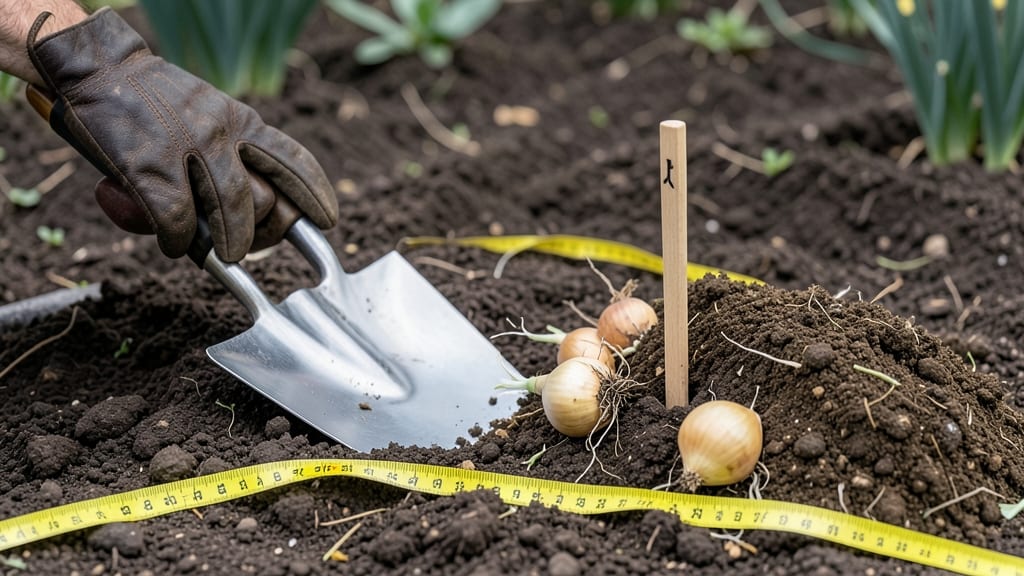
Planting daffodil bulbs in Virginia at the right time is the secret to those cheerful 🌼 blooms popping up every spring like clockwork. Get the timing wrong, and you might end up with half-hearted growth—or worse, no flowers at all.
The key window for Virginia gardeners (USDA zones 6a-7b) is between October and December, when soil temperatures dip but the ground stays workable.
Why does this matter? Because daffodils need a chance to root before winter sets in. In Virginia’s climate, planting too early means bulbs might sprout prematurely and get fried by frost, while waiting too late risks shallow roots that struggle to anchor.
The sweet spot is 4-6 weeks before the ground freezes—usually by mid-November in most areas.
Don’t worry if you’re new to gardening—this guide breaks down exactly what to do, from soil prep to depth, so your daffodils thrive. We’ll also cover how to handle Virginia’s variable frost dates and avoid common mistakes that trip up even experienced growers.
Ready to set your garden up for next year’s vibrant spring display? Let’s get those bulbs in the ground the right way, the first time.
Virginia's USDA zones and the best months to plant daffodil bulbs
Timing your daffodil bulb planting in Virginia depends heavily on your USDA hardiness zone, as cooler northern regions and warmer southern areas have different frost dates.
In Virginia, zones 5a through 8a create distinct planting windows—get it wrong, and your bulbs may rot before winter or fail to establish properly. The key is planting when soil temperatures drop below 60°F (15°C) but before the ground freezes, typically 4-6 weeks before first frost.
For gardeners in northern Virginia (zones 5a-6a), like the Shenandoah Valley, the window is narrow—usually mid-October to early November. In contrast, southern Virginia (zones 7a-8a), including the Hampton Roads area, can plant as late as December due to milder winters.
Understanding these deadlines ensures your daffodils have time to root before winter dormancy begins.
Soil temperature is your best guide: aim for 50-60°F (10-15°C) at planting depth (typically 6-8 inches). Use a soil thermometer to check—planting too early in warm soil can trigger premature sprouting, while waiting too long risks frozen ground. In Virginia, this usually aligns with late October to early December, but exact dates shift yearly based on weather patterns.
| USDA Zone | Ideal Planting Window | Soil Temp Threshold | Last Safe Planting Date | Notes |
|---|---|---|---|---|
| 5a (e.g., Roanoke) | Mid-October to early November | 50-60°F (10-15°C) | November 10 | Frost risk after early Nov |
| 6a (e.g., Charlottesville) | Late October to mid-November | 50-60°F (10-15°C) | November 15 | Flexible window |
| 7a (e.g., Richmond) | November to early December | 55-65°F (13-18°C) | December 10 | Milder winters |
| 8a (e.g., Norfolk) | December (early) | 60-70°F (15-21°C) | December 20 | Plant after holidays |
In zone 5a, like parts of the Blue Ridge Mountains, daffodils need to be in the ground by November 10 at the latest to avoid frost damage.
The Shenandoah Valley (zone 6a) offers a slightly longer window, but don’t wait past mid-November—bulbs planted after this risk poor root development.
For zone 7a, including Richmond, you can push planting into early December, while zone 8a gardeners in Hampton Roads can even plant through the holidays if soil remains workable.
Pro tip: Use a moisture meter to check soil readiness—ideal planting conditions include well-draining soil that’s cool but not frozen.
If your ground is too wet or saturated (common in Virginia’s rainy autumns), wait a few days or plant in raised beds to prevent bulb rot. Daffodils thrive in slightly acidic to neutral soil (pH 6.0-7.0), so test your soil before planting to avoid pH-related stress.
For northern Virginia, aim to finish planting by Thanksgiving—this gives bulbs 6-8 weeks to establish roots before winter. In southern Virginia, where winters are milder, you can extend planting into early December, but avoid planting after the first hard freeze (typically mid-December in zone 7a).
If you miss the autumn window, spring planting is possible but less reliable—bulbs may bloom the following year or not at all.
One common mistake in Virginia is planting daffodils too early in warm soil, which tricks bulbs into sprouting prematurely. This weakens them before winter and reduces next year’s blooms. Conversely, planting too late risks bulbs sitting in cold, wet soil, leading to rot.
The 4-6 week rule before frost is your best guide—adjust based on your local frost date, which you can find using the National Weather Service or Old Farmer’s Almanac.
If you’re unsure about your exact planting window, use local frost date averages as a starting point. For example, Roanoke (zone 5a) typically sees its first frost around November 15, while Norfolk (zone 8a) may not freeze until December 20. Planting
How to prepare your Virginia garden for daffodil bulbs before planting
Planting daffodil bulbs in Virginia requires careful preparation to ensure they thrive in our variable climate and soil conditions. Unlike some plants, daffodils need well-draining soil and full sunlight to establish strong roots before winter.
If you skip these steps, your bulbs might rot or fail to bloom next spring. I’ve learned the hard way—my first attempt with heavy clay soil left me with soggy bulbs and no flowers!
Start by selecting a sunny planting spot that receives at least 6 hours of direct sunlight daily. Daffodils in Virginia’s USDA zones 6a–7b perform best in areas with morning sun and afternoon shade, especially in hotter regions like Northern Virginia or Richmond.
Avoid low-lying areas where water pools, as daffodils hate waterlogged roots. If your yard has poor drainage, consider raised beds or mounds.
Before breaking ground, test your soil pH—daffodils prefer a slightly acidic to neutral range of 6.0–7.0. You can buy a soil test kit for under $10 or send a sample to your local Cooperative Extension Service.
If your soil is too alkaline, mix in peat moss or compost to lower the pH. In Virginia’s sandy soils (common in the Tidewater region), amending with organic matter like leaf mold will improve moisture retention.
⚠️ Critical Planting Window for Virginia
Planting daffodil bulbs too late (after the first frost) or too early (before soil cools) risks bulb rot or poor root growth. In Virginia, aim to plant 4–6 weeks before the ground freezes, typically between mid-October and mid-November.
For Northern Virginia (Zone 7a), this means late October; in Southside Virginia (Zone 7b), you can plant until early November. Use a soil thermometer—bulbs need soil temps between 50–60°F to root properly.
Once your spot is sunny and soil-tested, loosen the soil to a depth of 12–15 inches with a garden fork or tiller. Daffodil bulbs need room to spread roots without resistance. In heavy clay soils (like those in Fredericksburg), mix in compost or sand to improve aeration.
If your soil is sandy, add organic compost to help retain moisture. Work in a 2–3 inch layer of compost into the top 6 inches of soil—this provides nutrients without overwhelming the bulbs.
After amending the soil, create small planting holes that are 3 times as deep as the bulb’s height (usually 6–8 inches deep). Space bulbs 4–6 inches apart for smaller varieties and 9–12 inches apart for larger ones.
In Virginia’s mild winters, you can plant bulbs slightly shallower (5 inches) in Zone 7b, but deeper (8 inches) in Zone 6a to protect them from freeze-thaw cycles. Add a handful of bone meal to each hole for a phosphorus boost, which encourages root growth.
Finally, water the planted bulbs deeply but gently to settle the soil around them. Avoid overwatering, as soggy soil can cause rot. Once planted, mulch with 2–3 inches of straw or shredded leaves to insulate the bulbs from winter temperature swings.
In Virginia, this mulch layer also suppresses weeds and retains moisture during our dry springs. Remember, daffodils are deer-resistant, but the mulch adds an extra layer of protection for your investment!
With these steps, your daffodil bulbs will be ready to bloom beautifully next spring. The key is preparation—Virginia’s climate demands attention to soil, sunlight, and timing.
Once established, these perennials will return year after year with minimal care, brightening your garden with cheerful yellow, white, or orange blooms every April or May. 🌼