
Plants
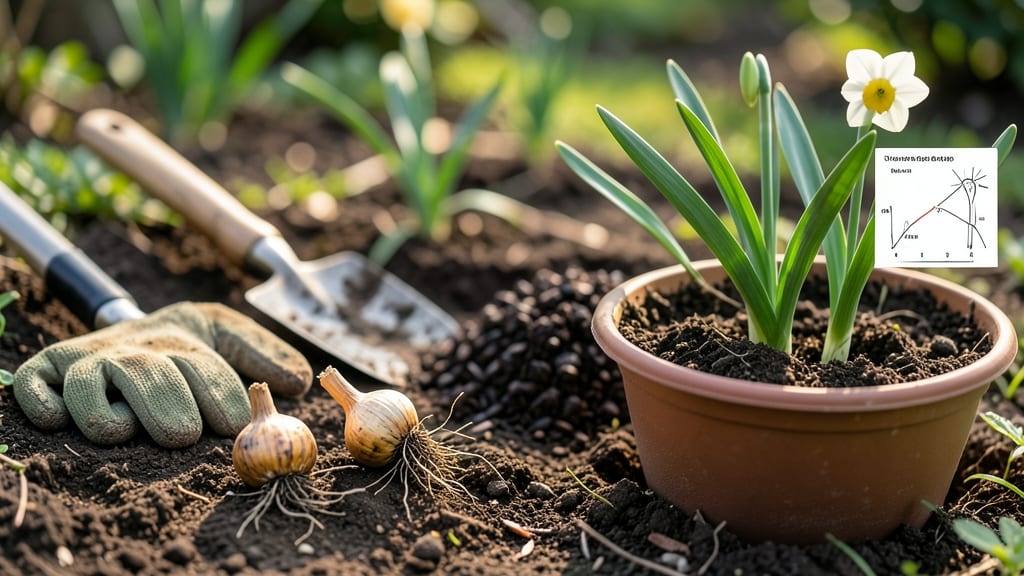
Planting daffodils in Colorado isn’t just about grabbing a bulb and sticking it in the ground—it’s about timing it perfectly to beat the frost and ensure those cheerful 🌼 blooms next spring.
The ideal window for planting in USDA zones 5-7 is between September and November, but get it wrong, and you risk rot or weak roots before winter sets in.
Why does timing matter so much here? Colorado’s elevation zones create microclimates where a Denver garden and a mountain slope can have wildly different frost dates. Plant too early, and your bulbs might sprout prematurely; too late, and they won’t establish roots before the ground freezes.
The key is 6-8 weeks before the first frost, giving those bulbs just enough time to settle in.
I’ve learned the hard way—skipping this window means weaker blooms or no blooms at all. But don’t worry, I’ll walk you through the exact months for your elevation, soil prep tricks for Colorado’s alkaline dirt, and how to protect your daffodils from critters that love a free snack.
Let’s get those bulbs in the ground the right way.
Whether you’re in the Front Range or the Western Slope, this guide will help you avoid common mistakes and set your daffodils up for a show-stopping spring display. Ready to dig in? Let’s make next year’s garden your brightest yet.
Best planting months for daffodils in Colorado by elevation Zone
Colorado’s elevation zones create dramatic differences in daffodil planting windows. At 5,280 feet in Denver, the ideal window differs from 8,000-foot mountain gardens. The key?
Planting when soil temps hit 60°F and 4-6 weeks before frost. Let’s break it down by zone to avoid bulb rot or premature sprouting.
For Lowlands (3,000–5,000 ft), like the Front Range, aim for late September to mid-October. This aligns with USDA Zone 6 frost dates and ensures bulbs root before consistent freezing.
In Foothills (5,000–7,000 ft), shift to mid-September to early October—cooler nights demand earlier planting. Meanwhile, Mountain regions (7,000+ ft) need August to early September to beat shorter growing seasons.
Soil temperature is your best guide. Use a soil thermometer to confirm 60°F at 4-inch depth. In dry climates, like the Western Slope, water deeply 1–2 weeks pre-planting to soften soil. Avoid planting when ground is frozen or saturated—both invite rot.
Here’s how Front Range (e.g., Denver, Boulder) vs. Western Slope (e.g., Grand Junction, Durango) timing compares:
In drier Western Slope regions, like Grand Junction, extend planting to mid-October due to later frosts. Check your local CoCoRaHS station for frost dates—Colorado’s microclimates vary wildly even 5 miles apart. For example, Durango’s 6,500 ft elevation means planting 2 weeks earlier than Denver.
If you miss the fall window, spring planting is possible but risky. Bulbs need 12–16 weeks of chilling—plant in late February to early March only if you’re in Zone 6 or lower. Use vermiculite to insulate bulbs in warmer microclimates, like urban Denver pockets.
Pro tip: Test soil moisture before planting. Sandy soils (common in Front Range) dry faster—water deeply after planting. Clay soils (like in Western Slope) hold moisture longer but may need amendments. Aim for well-draining soil to prevent bulb rot over winter.
Colorado’s elevation-driven dormancy means high-altitude daffodils need longer chilling. In Vail (8,000 ft), bulbs may need
Signs your Colorado daffodil planting timing is perfect (or wrong)
Perfectly timed daffodil planting in Colorado means your bulbs get the ideal window to establish roots before winter dormancy. Look for soil temperatures between 40°F and 50°F—this signals the perfect balance for root growth without premature sprouting.
In most Colorado regions, this occurs in late September through October, but timing shifts higher in elevation zones.
Your bulbs should feel firm and plump, not soft or shriveled. If they’re mushy, they’ve been stored improperly or are rotting. Healthy daffodil bulbs should also have paper-like skins with no signs of mold or damage. Test a few bulbs by gently squeezing—they should resist pressure without collapsing.
⚠️ callout warning ⚠️
⚠️ Planting Pitfalls in Colorado
- Frozen ground: Never plant when soil is hard or icy—bulbs won’t root. Test with a screwdriver: if it resists, wait.
- Rain-heavy periods: Overly wet soil can suffocate bulbs. Aim for dry-to-moist conditions, not soggy.
- Late planting: Planting after mid-November risks bulbs not establishing roots before freeze.
Colorado’s first frost dates vary by zone—check your local USDA Zone 5-7 guidelines.
Check your local weather forecast for a 5-7 day stretch without rain after planting. This gives bulbs time to settle without waterlogging. In Denver and Front Range areas, aim for planting before October 15th, while mountain regions (Zone 6-7) may extend until early November due to later freezes.
After planting, cover bulbs with 2-3 inches of mulch to insulate them from temperature swings. In Colorado’s alkaline soils, add a 1-inch layer of compost to improve drainage and nutrient availability. Avoid heavy mulch that could compact around bulbs.
Watch for green shoots in spring—this confirms successful root establishment. If shoots appear too early (before last frost), protect them with frost cloth or row covers. In Colorado’s Zone 5 areas, last frost typically hits April 15th, while Zone 7 regions may see later dates.
If your daffodils fail to bloom next spring, revisit your planting timing. Common red flags include soft bulbs, no root growth, or premature sprouting—all signs of improper timing or soil conditions. Adjust next year’s schedule based on these observations.