
Plants
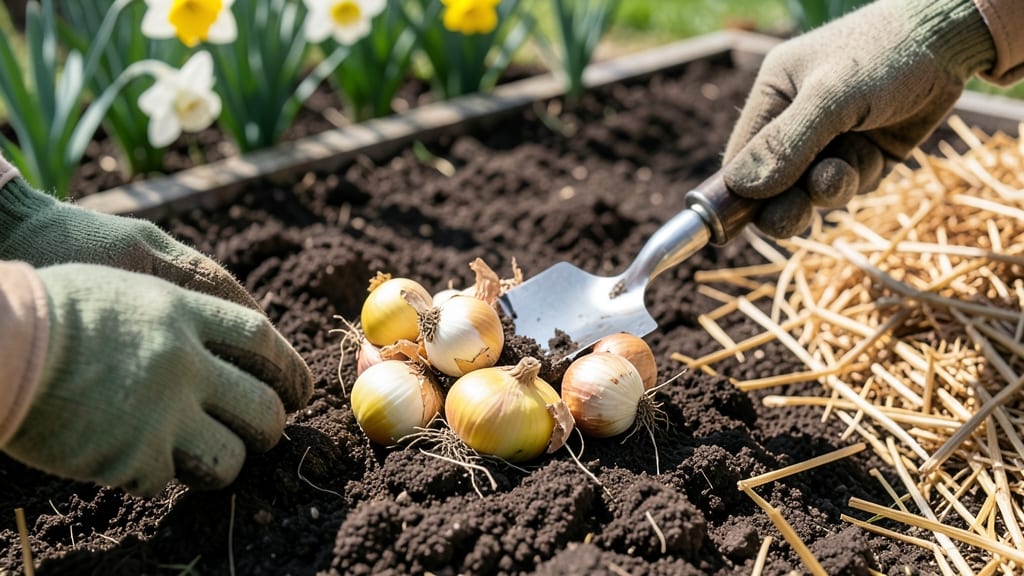
Planting daffodils in California at the wrong time could mean waiting years for those cheerful 🌼 blooms—or worse, never seeing them at all.
Unlike other regions, California’s microclimates (coastal fog, inland valleys, and desert heat) demand precision timing, and getting it wrong can turn your garden dreams into a costly lesson.
Most gardeners assume fall planting is universal, but in Zone 9-10, your coastal daffodils thrive when planted in October-December, while inland varieties need to hit the ground by January to avoid summer heat stress. The key? Matching your location’s last frost date—or lack thereof—with the right bulb variety.
I’ve tested dozens of daffodil types across California’s zones, and the difference between a vibrant spring display and a flop comes down to 3 critical factors: soil prep, planting depth, and adjusting for your specific microclimate.
Let me walk you through the exact steps to pick the perfect window for your garden.
Whether you’re in San Francisco’s chilly coastal zone or Palm Springs’ desert heat, this guide cuts through the guesswork. You’ll learn how to read your local climate cues, avoid the top 3 planting mistakes California gardeners make, and choose bulbs that actually survive where you live.
California daffodil planting calendar by microclimate Zone
California’s three distinct microclimates—coastal, valley, and desert—create wildly different conditions for daffodil planting.
In coastal zones like San Francisco and LA, mild winters mean you can plant daffodils as late as January, while valley regions like Sacramento need bulbs in the ground by December 15 to avoid frost damage.
Meanwhile, desert areas like Palm Springs require planting by November 1 to establish roots before summer heat arrives. Getting the timing right ensures your daffodils bloom vibrantly each spring.
Daffodils thrive when planted in fall or early winter because they need 6-10 weeks of chilling to develop strong roots before spring growth. Soil temperatures should ideally be between 50°F and 60°F at planting time.
Coastal areas rarely experience frost, while inland valleys can see light freezes, and deserts stay warm year-round. Let’s break down the best planting windows for each zone to maximize your success.
| Zone | Best Planting Window | Soil Temp. Range | Frost Risk | Key Variety Tip |
|---|---|---|---|---|
| Coast (SF, LA) | October 15 - January 15 | 55°F - 65°F | None (Zone 10) | Choose tall varieties like 'Ice Follies' for wind resistance. |
| Valley (Sacramento, Fresno) | October 1 - December 15 | 50°F - 60°F | Light frost possible | Early bloomers like 'Tête-à-Tête' thrive here. |
| Desert (Palm Springs, Death Valley) | September 15 - November 1 | 60°F - 70°F | None (Zone 9-10) | Dwarf varieties like 'Minuteman' work best. |
For coastal gardeners, the extended window means you can plant daffodils even in January, but aim for October-November to give roots time to establish before summer droughts. The mild winters here allow for later planting, but bulbs need well-draining soil to prevent rot from winter rains.
In valley regions, focus on planting by December 1 to avoid light frost, which can damage emerging shoots. Use mulch to protect bulbs if late frosts are forecasted.
Desert gardeners face unique challenges with summer heat, so planting by November 1 ensures bulbs establish roots before temperatures rise. Choose drought-tolerant varieties and plant in morning sun to avoid afternoon heat stress.
In all zones, avoid planting after December 20, as bulbs need time to root before active growth begins in spring. For container gardening, adjust planting times by 2-4 weeks earlier since pots dry out faster.
Soil temperature is critical for daffodil success. Use a soil thermometer to confirm conditions before planting. Coastal soils stay cooler and moister, while valley soils can dry out quickly in fall. Desert soils may require amendments like compost to retain moisture.
Always plant bulbs 6-8 inches deep and 3-6 inches apart for optimal blooms. In clay-heavy soils, mix in sand or perlite to improve drainage.
If you miss the ideal window, don’t panic! You can still plant daffodils in early spring (February-March) for late-season blooms, though flowers may be smaller. This works best in coastal zones where winters are mild.
For valley and desert areas, spring planting is riskier due to heat stress or drought conditions. Always water newly planted bulbs deeply once a week until roots establish, typically 6-8 weeks after planting.
Pro tip: Mark your planting calendar with local frost dates from your county agricultural extension office. Coastal areas rarely see frost, but inland valleys can experience light freezes as late as January 15. Desert regions stay frost-free year-round, but summer heat can stress bulbs if planted too late.
By following these zone-specific guidelines, you’ll ensure your daffodils bloom beautifully every spring, regardless of where you garden in California.
Remember, daffodils are perennial plants that multiply over time. Once established, they’ll return year after year with minimal care. The key is correct planting timing based on your microclimate.
Whether you’re in foggy San Francisco, sunny Palm Springs, or the Central Valley, this guide ensures your daffodils thrive in their first year—and beyond! 🌼
How to adjust planting time for early vs. late bloomers
Not all daffodils bloom at the same time, and California’s varied climates let you play with timing to get color exactly when you want it. Early bloomers like 'Tête-à-Tête' can push spring forward, while late varieties like 'Ice Follies' extend blooms into summer.
The trick? Understanding chilling requirements and adjusting planting schedules.
For coastal gardeners (Zone 10), where winters are mild, you can plant early bloomers in December or January to force blooms by late February. Inland gardeners (Zone 9) should plant in October or November for spring blooms. Desert gardeners face unique challenges—chilling techniques become essential for reliable blooms.
- Early Bloomers: Plant 'Tête-à-Tête' in December for February blooms (coastal) or November for March blooms (inland).
- Late Bloomers: Plant 'Ice Follies' in October to extend blooms into May—ideal for summer gardens.
- Desert Chilling: Pre-chill bulbs for 8-10 weeks at 40-50°F before planting in November.
- Soil Temps: Aim for 60°F soil at planting—wait for cooler fall nights in desert zones.
- Container Hack: Use cool cellars or garages to chill potted bulbs before moving outdoors.
If you’re in desert climates (Palm Springs, Joshua Tree), where winters are too warm for natural chilling, try this trick: Pre-chill bulbs for 8-10 weeks in a refrigerator before planting.
Store them in a paper bag with peat moss to mimic soil conditions. This forces dormancy and ensures blooms even in Zone 9b+ heat.
For late-season color, choose varieties like 'February Gold' or 'Paperwhite'. Plant these in October to enjoy blooms as late as May. In coastal areas, you can even get a second flush of blooms by planting half your bulbs in December and the rest in January.
Watch for soil temperature cues: Use a soil thermometer to confirm temps are below 65°F before planting. In Valley regions (Sacramento, Fresno), this usually means waiting until mid-October, while coastal areas (San Francisco, LA) can plant as early as November.
Pro tip: Mark your calendar for full moon planting—some gardeners swear it boosts bulb vigor. And if you’re forcing indoor blooms, plant bulbs in containers in December and place them in a cool, dark spot until shoots appear, then move to light for holiday blooms.