
Plants
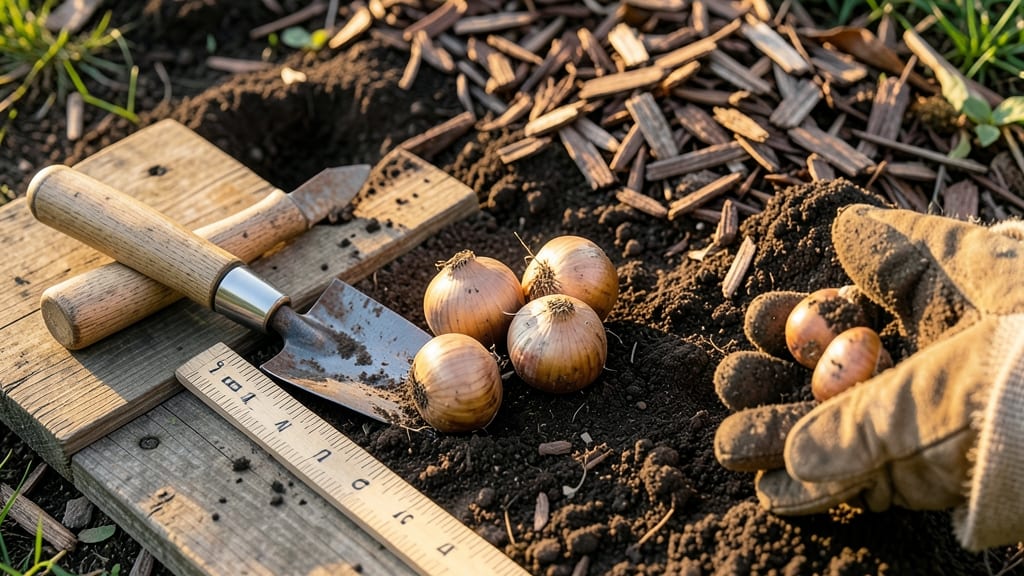
Planting your daffodil bulbs 🌼 in Zone 9’s mild winters isn’t just about timing—it’s about giving them the perfect head start before summer heat or unexpected rains throw off their growth.
Unlike colder climates, where frost signals the right moment, Zone 9’s frost-free skies mean you’ve got a narrower window to get it right without risking weak roots or rot.
Most gardeners in Phoenix or Southern California swear by October through December as the sweet spot, but there’s a science to it. Bulbs need 6-8 weeks of cool soil to establish roots before winter rains or summer’s return.
Plant too early, and you’ll stress them with heat; too late, and they might not bloom as boldly next spring.
What’s even trickier? Your local microclimate plays a huge role. Coastal areas stay cooler longer, while inland spots can dry out faster. I’ll break down how to test your soil’s readiness and adjust your planting schedule—so you’re not guessing whether your 🌼 daffodils will thrive or fizzle.
Once you’ve got the timing down, the real secret is post-planting care: the right mulch, watering tricks, and avoiding these 3 common mistakes that kill bulbs in Zone 9. Let’s make sure your garden gets a head start on spring’s brightest stars.

Ideal planting months for daffodils in Zone 9’s zero-frost climate
In Zone 9’s frost-free climate, timing daffodil bulbs correctly is about avoiding summer heat stress while ensuring roots establish before mild winters. Unlike colder zones, your 6-8 week window shifts to late fall—October through November—for optimal results.
This schedule lets bulbs root without competing with summer’s intense heat or winter’s minimal dormancy period.
Daffodils need 60-70°F soil to root properly, which Zone 9 achieves naturally in fall. Planting too early (like September) risks premature sprouting from residual summer warmth, while waiting until December may delay root growth before winter’s brief cool spell.
The key is aligning with your area’s first winter rains, which typically arrive in November.
Here’s the science behind the timing: Daffodil bulbs enter dormancy when soil temps drop below 50°F. In Zone 9, this happens November-December, but roots need 4-6 weeks to establish before dormancy sets in.
Planting in October-November gives bulbs this critical window while avoiding summer’s 90°F+ soil, which can cause bulb rot.
For coastal Zone 9 areas (like San Diego), where winters are milder and wetter, aim for October planting to capitalize on winter rains. Inland regions (like Phoenix) with drier winters benefit from November planting to sync with monsoon remnants.
Always check your local USDA Zone 9b microclimate for precise adjustments.
| Planting Window | Soil Temp Range | Root Establishment Goal | Zone 9 Microclimate |
|---|---|---|---|
| October | 65-75°F | 4-6 weeks before dormancy | Coastal (wet winters) |
| November | 60-70°F | Full root network before rains | Inland (dry winters) |
| Early December | 55-65°F | Emergency planting (limited success) | All regions (last resort) |
If you miss the October-November window, don’t panic—January planting can still work, but bulbs may bloom later or produce fewer flowers. The trade-off is that January’s 50-60°F soil is cooler, slowing root growth.
For best results, prioritize fall planting and use mulch (2-3 inches of straw) to insulate bulbs during winter’s rare cool spells.
Pro tip: Test your soil’s readiness by pushing a thermometer probe 6 inches deep. If temps are below 60°F, wait 2-3 weeks. Overwatering at this stage is a common mistake—daffodil bulbs rot in soggy soil. Aim for deep but infrequent watering (every 10-14 days) until rains arrive naturally.
For container gardening in Zone 9, the same rules apply, but use well-draining mixes (like cactus soil) to prevent rot. Plant bulbs in October-November and move pots to partial shade during summer’s peak heat. This mimics the natural dormancy cycle while protecting bulbs from 100°F+ soil.
Remember: Daffodils in Zone 9 don’t need frost to bloom—they respond to day length and soil moisture. By planting in October-November, you’re essentially tricking the bulbs into thinking winter is coming, triggering robust root growth and vibrant spring blooms without the frost cue.
This method works especially well for early-blooming varieties like ‘Tête-à-Tête’ or ‘Ice Follies.’
After planting, mark your calendar for February-March when daffodils typically emerge in Zone 9. The first green shoots signal success—your bulbs have rooted properly.
If you see yellowing leaves by late spring, it’s normal; the plant is redirecting energy to the bulb for next year’s flowers. Deadhead spent blooms but leave foliage until it browns completely.
How to adjust planting time for Zone 9’s microclimates and soil conditions
Zone 9’s diverse microclimates mean your daffodil bulbs may thrive in October in coastal areas but need a December start inland. Coastal regions like San Diego enjoy milder winters, while inland deserts (e.g., Phoenix) face hotter summers.
Adjust your planting 6-8 weeks before your area’s first consistent rains to avoid summer heat stress.
Soil type plays a huge role too. Sandy soils drain too quickly, while clay soils can suffocate roots. Test your soil’s moisture retention by digging a 6-inch hole—if it stays dry after 24 hours, amend with compost to improve water retention.
For clay-heavy areas, mix in perlite or coarse sand to create better drainage.
⚠️ WARNING: Planting Too Early or Late in Zone 9 Planting daffodil bulbs too early (before October 1st) risks summer heat stress, causing bulbs to sprout prematurely and weaken. Waiting too late (after December 15th) may leave bulbs unrooted before winter rains arrive.
Coastal areas can plant 2-3 weeks earlier than inland zones due to milder temperatures. Always check soil temperatures—ideal planting occurs when soil is 50-60°F.
Use a soil thermometer to verify readiness. Stick it 4 inches deep—if temps are below 50°F, wait a week. In sandy soils, bulbs may need extra watering to establish roots, while clay soils benefit from mulching to prevent moisture loss.
Coastal gardens often require less frequent watering due to higher humidity, while inland areas need deep, infrequent watering.
For coastal Zone 9 (e.g., Santa Barbara), aim for late September to October. The ocean’s cooling effect keeps soils cooler longer, allowing bulbs to root before winter rains.
Inland areas (e.g., Tucson) should wait until November to avoid summer heat. Always plant bulbs 6-8 inches deep and 3x their width apart for optimal airflow and root growth.
After planting, monitor soil moisture weekly. Sandy soils may need watering every 5-7 days, while clay soils can go 10-14 days between waterings. Use a moisture meter to check—aim for 60% moisture at planting depth.
Mulch with 2-3 inches of straw to retain moisture and regulate soil temperature, especially in hot inland areas.
Remember, Zone 9’s microclimates can vary dramatically even within a city. Observe your garden’s sun exposure and wind patterns—south-facing slopes may need earlier planting, while shaded areas can handle later dates.
With these adjustments, your daffodils will bloom vibrantly year after year, regardless of whether you’re near the coast or in the desert.