
Trees
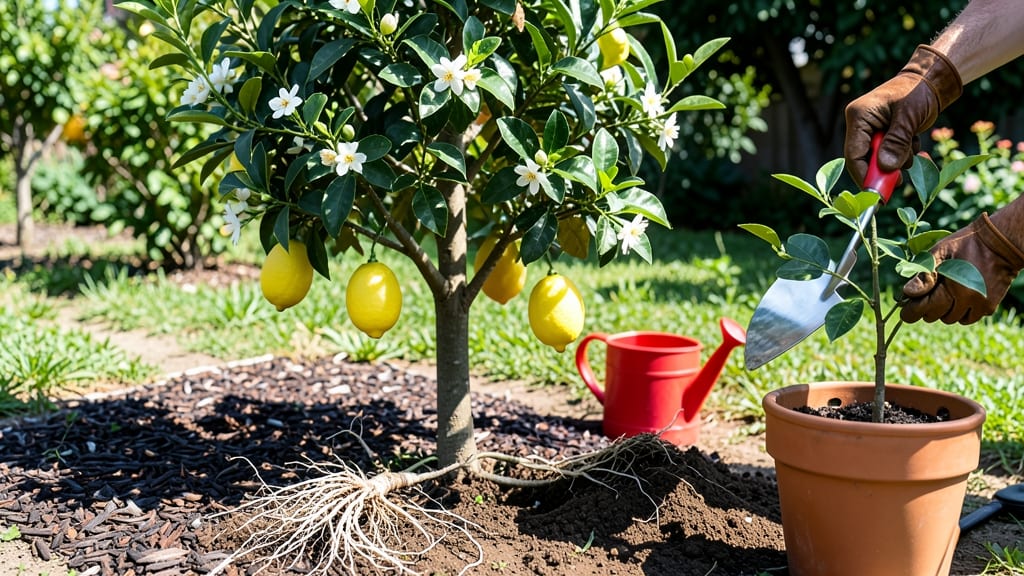
Planting a 🍊 citrus tree in Southern California might seem simple—after all, the weather is perfect for these sun-loving trees. But timing matters more than you’d think. Skip the wrong season, and your young tree could struggle with heat stress or poor root growth, even in our frost-free zones.
If you’ve ever wondered why some citrus trees thrive while others barely survive, the answer often lies in when they were planted.
The best months to plant citrus in SoCal aren’t just about avoiding frost (there isn’t any!), but about giving your tree the ideal conditions to establish strong roots before summer’s intensity kicks in.
I’ve seen firsthand how planting in late winter or early spring can set your citrus tree up for success—think January through March—while avoiding the heat of summer or the occasional windy conditions of fall.
Let’s break down the exact timing, soil prep, and microclimate tips to ensure your citrus tree grows stronger and fruits faster.
Whether you’re planting a lemon tree in coastal San Diego or an orange tree in inland Riverside, this guide will help you choose the perfect window. Ready to get started? Let’s dig in.
Best months to plant citrus trees in Southern California by variety
Southern California’s frost-free winters make citrus trees a year-round possibility—but not all months are equal for planting success. Coastal areas like San Diego enjoy milder temperatures year-round, while inland regions near Palm Springs can experience cooler nights in winter. Root establishment is critical before summer heat arrives, so timing matters.
For most citrus varieties, late winter to early spring (January through March) is ideal, but lemon trees have slightly different needs.
Inland areas like Riverside and San Bernardino face colder microclimates with occasional frost below 30°F (-1°C). Young citrus trees planted too early risk damage, while late plantings may struggle to establish before summer drought. Coastal zones (Los Angeles, Orange County) offer more flexibility, but even there, fall planting requires extra frost protection if temperatures dip unexpectedly.
Here’s your Southern California citrus planting schedule by variety, accounting for microclimate differences and root establishment windows:
| Variety | Best Planting Months | Coastal Zones | Inland Zones | Critical Deadline |
|---|---|---|---|---|
| Navel Oranges | January–March | Year-round (best Jan–Mar) | January–February (avoid Dec frost risk) | March 15 (before summer heat) |
| Valencia Oranges | February–April | February–March | February–March (avoid late frost) | April 1 (establish roots before drought) |
| Lemons (Eureka/Meyer) | November–March | November–April (year-round possible) | January–February (frost-sensitive) | March 31 (root growth before heat) |
| Grapefruit (Ruby Red) | January–February | January–March | January only (slow to establish) | February 28 (avoid summer stress) |
| Limes (Bearss/Kaffir) | December–February | Year-round (best Dec–Feb) | January–February (frost risk) | March 1 (root establishment) |
| Dwarf Varieties (All) | Year-round (best Jan–Mar) | Year-round (container flexibility) | January–February (frost protection) | April 1 (container drying risk) |
For coastal gardeners, lemon trees can be planted almost year-round thanks to mild temperatures. However, even coastal areas benefit from January–March plantings to avoid coastal fog stress during winter. Inland plantings must prioritize January–February to avoid unpredictable frost, especially in Palm Springs and Riverside.
If you miss the ideal window, fall plantings (October–November) are possible but require frost protection like burlap wraps or row covers. Young trees planted in late fall may need extra mulch to insulate roots. Dwarf varieties handle late plantings better due to their smaller root systems, making them ideal for container growing in urban areas.
Pro tip: Soak container-grown trees for 30 minutes before planting to reduce transplant shock. Amend soil with compost and sand to improve drainage—a critical factor in Southern California’s clay-heavy soils. Mulch heavily after planting to retain moisture during summer droughts.
Remember: Citrus trees planted in summer (after March) face higher stress from heat and drought. If you must plant late, choose container-grown trees and keep them shaded until roots establish. Drip irrigation is a game-changer for newly planted citrus in SoCal’s dry summers.
For maximum fruit production, aim to plant 6–8 weeks before summer heat peaks. This gives
How to prepare your citrus tree for Southern California’s unique climate challenges
Southern California’s mediterranean climate offers ideal conditions for citrus trees, but microclimates like coastal fog and Santa Ana winds demand special preparation. Whether you’re planting in San Diego’s mild coastal zone or Riverside’s hot inland valleys, these factors can make or break your tree’s success.
The key lies in strategic site selection, soil optimization, and protective measures tailored to your specific region.
In-ground planting thrives in well-draining soil with a slightly acidic pH (6.0-7.0), while container-grown citrus needs fast-draining potting mix to prevent root rot. Both methods require full sun exposure (6+ hours daily), but inland areas may need afternoon shade protection during peak summer months.
Let’s break down the essential steps to ensure your citrus tree thrives in SoCal’s diverse conditions.
⚠️ Critical Planting Deadline for SoCal
Never plant citrus trees after March 15 in inland regions (e.g., Riverside, San Bernardino) to avoid heat stress before roots establish. Coastal areas (e.g., San Diego, Santa Barbara) can extend planting until April 1, but prioritize late winter (Jan-Feb) for best results. Young trees planted in summer often suffer transplant shock from SoCal’s intense heat.
Start by selecting a sunny, sheltered location protected from prevailing winds. Coastal areas benefit from morning sun and afternoon shade to prevent leaf scorch, while inland zones need full sun exposure but may require windbreaks like fences or hedges.
For container planting, choose large pots (15+ gallons) with drainage holes and use citrus-specific potting mix amended with perlite for aeration.
Soil preparation is non-negotiable in Southern California. Amend native soil with compost (20-30%) and sand (10-20%) to improve drainage, especially in heavy clay soils common in Los Angeles and Orange County.
In-ground plantings should include a 3-inch layer of mulch around the base (but not touching the trunk) to retain moisture and regulate soil temperature. For container trees, replace the top 2 inches of soil annually with fresh potting mix.
Watering schedules must adapt to your microclimate. Coastal regions like San Diego can water every 5-7 days due to coastal fog, while inland areas may need daily watering in summer. Always water deeply (1-2 gallons per tree) at the soil level, avoiding wetting foliage to prevent fungal diseases.
Drip irrigation systems are ideal for consistent moisture control, especially during SoCal’s Santa Ana wind events that dry out soil rapidly.
Frost protection is rarely needed in SoCal, but inland valleys (e.g., Coachella, Temecula) can experience temperatures below 32°F in winter. Young trees should be wrapped in frost cloth or moved to a protected garage during cold snaps.
Mature trees tolerate light frosts but may benefit from windbreaks or row covers. Prune lightly in late winter (Feb-March) to shape the tree and remove crossing branches, but avoid heavy pruning that stresses new growth.
Finally, feed your citrus tree with a balanced citrus fertilizer (6-6-6 or 8-3-9 NPK) every 2-3 months from spring to fall. Container trees need monthly feeding due to nutrient depletion. Monitor for pests like aphids or citrus leaf miners and treat early with neem oil or insecticidal soap.
With these preparations, your citrus tree will thrive year-round in Southern California’s diverse climates.