
Plants
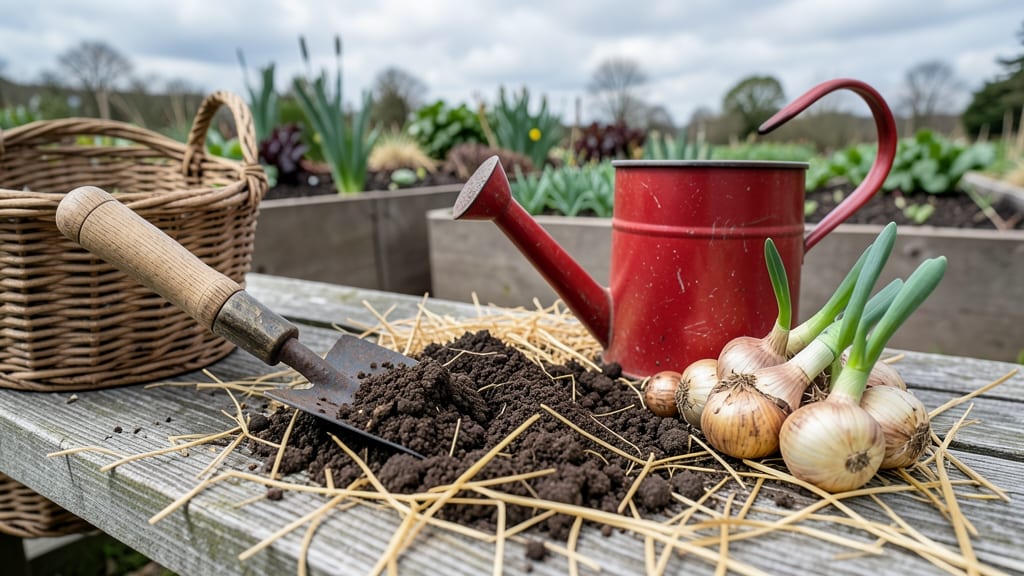
Planting daffodil bulbs 🌼 at the wrong time in Texas can mean the difference between a vibrant spring display and wasted effort. The key to success lies in understanding your region’s frost dates and soil conditions—because one month can make or break your blooms.
In North Texas, where frosts linger into January, you’ve got until early December to get those bulbs in the ground. But down in South Texas, where mild winters prevail, you can stretch planting through December—just aim for 6 weeks before the first frost.
The goal? Give your daffodils time to root before winter’s chill sets in.
I’ll show you exactly how to time it right for your specific corner of the Lone Star State, from soil prep to post-planting care.
Whether you’re in the Hill Country or the Gulf Coast, these region-specific tips will help you avoid common mistakes and ensure those cheerful yellow blooms pop up year after year.
Ready to turn your Texas garden into a springtime showstopper? Let’s dive into the best months—and exact steps—to plant daffodils for foolproof success.
Texas daffodil planting calendar by region: best months for zero-frost success
Texas gardeners know that timing is everything—plant daffodil bulbs too early, and they’ll rot in the heat; too late, and they won’t bloom before summer’s scorching sun. Mastering the perfect planting window ensures vibrant spring blooms year after year, even in Texas’ unpredictable climate.
The key is understanding your USDA Zone and last frost dates, which vary dramatically from North to South Texas.
Daffodils thrive when planted in cool fall soil (60-65°F) before the ground freezes. In Texas, this means different deadlines for each region. North Texas gardeners have a shorter window than South Texas, where mild winters allow for later planting.
Let’s break down the ideal planting months for your specific area to guarantee zero-frost success.
North Texas gardeners in Dallas/Fort Worth (USDA Zones 8a-8b) have the shortest window, with November 30 as their final deadline. Planting after this risks bulbs sprouting too early and getting fried by winter warmth. Aim for mid-October to mid-November when soil temps drop below 70°F but stay above freezing.
Central Texas (Austin/San Antonio, Zones 8b-9a) offers a more flexible schedule. You can plant as late as December 15, but early planting (by October 20) gives bulbs time to establish roots before mild winters.
The hill country’s microclimates mean some areas may need to plant even earlier to avoid early freezes.
South Texas (Houston/Corpus Christi, Zones 9a-10b) is the most forgiving, with a December 31 deadline. However, planting by mid-November ensures bulbs have time to root before occasional cold snaps. In Zone 10b, you can even plant daffodils in January for late-spring blooms, though they’ll need winter protection.
For all regions, soil temperature is critical. Use a soil thermometer to confirm temps are between 60-65°F before planting. In Texas’ heat, bulbs planted too early in September will rot—wait until October when daytime highs drop below 85°F.
Pro tip: Mulch heavily after planting (2-3 inches of straw or shredded leaves) to insulate bulbs from temperature swings. In North Texas, this helps prevent winter heaving, while in South Texas, it protects against unpredictable cold snaps that can damage emerging shoots.
Remember that Texas-friendly varieties like ‘Ice Follies’ (dwarf) or ‘Geranium’ (standard) handle heat better than traditional European daffodils. Pair your planting with well-draining soil and a southern exposure to maximize spring blooms.
Miss the planting window? Don’t panic! Store bulbs in a cool, dark place (like a garage) until next fall. With this regional guide, you’ll have zero-frost success and daffodils blooming just as Texas’ summer heat begins to fade
How to time daffodil bulbs for Texas’ unpredictable weather: pro tips for reliable blooms
Texas’ weather can throw off even the most experienced gardener—one week of unexpected heat in November or a late frost in March can derail your daffodil plans. The key to success lies in flexible timing and smart adjustments.
Unlike cooler climates, Texas daffodils need pre-chilling to break dormancy, but they also hate sitting in warm soil too long before roots establish. I’ve learned the hard way that container planting gives me the most control when Mother Nature plays tricks.
Start by checking your local frost dates—North Texas gets frost by mid-December, while South Texas might not see one until January. Aim to plant 6-8 weeks before your average first frost, but don’t rush!
If your soil is still warm (above 60°F), bulbs may sprout too soon and get fried by summer heat. The ideal soil temp for planting is between 50-60°F, which in Texas often means waiting until late October or November.
-
1Adjust for early freezes: If frost hits earlier than expected, plant in containers and move them to a garage or shed until soil cools.
-
2Pre-chill bulbs: Store bulbs in the fridge (35-40°F) for 8-12 weeks before planting if your fall is unusually warm.
-
3Mulch heavily: Use 4-6 inches of mulch (straw or pine straw) to insulate bulbs from heat spikes and freeze-thaw cycles.
-
4Container flexibility: Plant in well-draining pots and move them to shade during heatwaves or sun for winter chill.
-
5Soil moisture check: Plant only when soil is moist but not soggy—Texas clay holds water too long, risking rot.
For container planting, I swear by terracotta pots with drainage holes—they dry out faster and prevent root rot in Texas’ heavy rains. Fill the bottom third with perlite or gravel, then a mix of potting soil and compost.
Plant bulbs shallower than in-ground (3-4 inches deep) since containers warm up faster. Move them to a cool, dark spot (like a basement) if temperatures dip below 40°F for more than a few hours.
If you’re planting in clay-heavy soil, amend it with sand or compost to improve drainage—stagnant water is daffodils’ worst enemy. After planting, water deeply but infrequently to encourage strong root growth.
Once leaves appear in spring, reduce watering slightly to prevent leaf scorch from Texas’ intense sun. My ‘Ice Follies’ daffodils thrive in partial shade, while ‘Geranium’ varieties handle full sun better.
Don’t forget to remove spent blooms but leave the foliage until it yellows—this feeds the bulb for next year’s flowers. In South Texas, where winters are milder, you can even plant some bulbs in January for a later spring bloom.
Just monitor soil temps closely and adjust your timing like a pro. With these tricks, you’ll beat Texas’ weather and enjoy bold daffodil blooms year after year. 🌼