
Plants
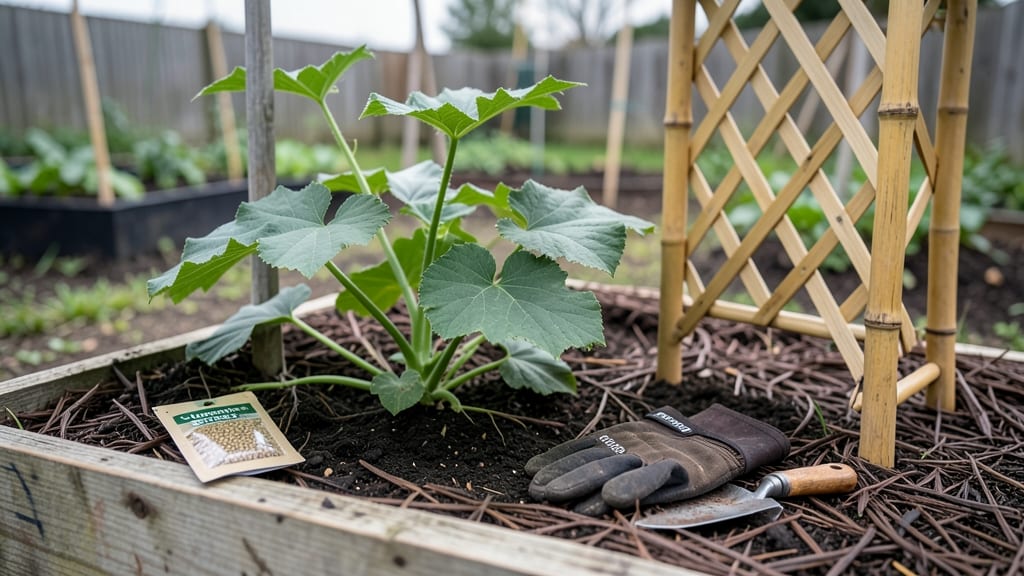
Timing your cucumber planting in West Virginia can feel like a guessing game—one wrong move, and those 🥒 seeds might rot in cold soil or bolt before harvest. But here’s the secret: soil temperature is the real game-changer, not just the calendar date.
Most gardeners in Zone 6a-7a wait until after the last frost, but that’s too late for fast germination. The key is planting when soil hits 50°F+—earlier than you think. I’ll show you exactly when to start seeds indoors or direct-sow for a head start on summer’s bounty.
West Virginia’s microclimates mean planting dates vary from Charleston to Morgantown. Whether you’re using black plastic mulch or a simple soil thermometer, these tricks will help your cucumbers sprout faster and outpace the heat before fall sets in.
Ready to beat the odds? Let’s dive into the exact soil temp triggers and planting windows that’ll have your vines thriving by July—no more wasted seeds or missed harvests.
West Virginia cucumber planting calendar by soil temperature zones
West Virginia’s USDA Zones 6a-7a create unique challenges for cucumber growers, where soil temperature dictates success more than calendar dates. Unlike warmer climates, our cool springs demand precise timing—plant too early, and seeds rot; wait too long, and summer’s short growing season slips away.
The key? Monitoring soil temps (not air temps) and knowing your microclimate.
Most cucumber varieties need 50°F+ soil for germination, but 65°F+ triggers faster growth. In Charleston (Zone 7a), you might plant 2 weeks earlier than in Morgantown (Zone 6a), where late frosts linger.
Below, I’ve broken down planting windows by city, using historical frost-free dates and soil warming trends from WVU Extension data.
For Charleston gardeners, the window opens earlier—typically late April to early May—but don’t rush. Cold soil slows germination, and cucumbers hate soggy roots. In Morgantown and Elkins, wait until after May 10 unless you’re using row covers to protect seedlings from late frosts.
If you’re starting seeds indoors, begin 4-6 weeks before your local transplant date. Use grow lights since WV’s spring sun is weak, and harden off seedlings for 7-10 days before moving them outside. Transplant on overcast days or late afternoon to reduce shock.
Pro tip: Test your soil before planting. Cucumbers thrive in pH 6.0-6.8 and well-draining soil. Amend heavy clay with compost or sand to prevent waterlogging, which invites powdery mildew—a common WV cucumber nemesis.
In Huntington’s Zone 6b, where humidity spikes early, opt for resistant varieties like ‘Straight Eight’ and plant vertical trellises to improve airflow. Space plants 12-24 inches apart in rows 3 feet apart to maximize sun exposure and reduce disease spread.
Remember: First frost dates in WV typically arrive October 15-30, depending on elevation. For a fall harvest, choose fast-maturing varieties (55-60 days) and plant seedlings in late July to beat the clock.
🌱 For extended harvests, succession plant every 2 weeks until July 15. This staggered approach ensures cucumbers ripen continuously through August and September, when WV’s summers start cooling.
5 Proven soil temperature tricks to speed up cucumber germination in WV’s cool springs
West Virginia’s cool springs can leave cucumber seeds waiting weeks for warm soil—but you can hack the system! Cucumbers need soil temperatures above 65°F to germinate quickly, and our Zone 6a-7a climate often delivers chilly, damp conditions.
The good news? With these 5 proven tricks, you’ll get those first sprouts popping in half the usual time, even when Mother Nature plays hard to get.
First, let’s talk about the gold standard for speeding germination: black plastic mulch. This isn’t just about warming soil—it’s about creating a microclimate that mimics summer conditions. Lay the mulch 2-3 weeks before planting to let it absorb heat during the day and radiate it back at night.
For WV’s unpredictable springs, this can shave 10-14 days off your germination timeline.
- 📌 Black Plastic Mulch: Lay 2-3 weeks pre-planting to warm soil 10-15°F faster than bare earth.
- 🔥 Seedling Heat Mats: Use electric mats under seed trays to maintain 70-75°F soil temps indoors.
- 🌿 Companion Planting: Pair cucumbers with beans or peas to warm soil via their early foliage growth.
- 🌡️ DIY Soil Thermometer: Bury a thermometer in shaded soil at 2-inch depth—aim for 65°F+.
- ☀️ Clear Plastic Tunnels: Cover rows with plastic hoops + clear plastic to trap sunlight heat.
If you’re starting seeds indoors, seedling heat mats are a game-changer. These affordable tools keep soil temps consistently at 70-75°F, which is ideal for cucumbers. I’ve seen germination rates jump from 50% in 10 days to 90% in 5 days just by adding one of these mats.
Pro tip: Place your seed trays on the mat as soon as you sow—don’t wait for the first signs of sprouting.
For gardeners on a budget, companion planting is a clever workaround. Fast-growing crops like bush beans or peas create a living mulch that warms the soil as they grow. Plant these 4-6 weeks before cucumbers in the same row.
By the time you’re ready to direct-sow cucumbers, the soil will be 5-10°F warmer than surrounding areas, thanks to the shade and ground cover.
You can’t speed up germination without knowing your actual soil temperature, which is why a soil thermometer is non-negotiable.
If you don’t have one, make a DIY version with a thermometer and a plastic bottle: Bury the bottle vertically in soil, fill it with water, and suspend the thermometer inside. Check readings at 10 AM and 4 PM for accuracy.
Aim for 65°F or higher before planting—anything below that and your seeds will sulk.
Finally, for the ultimate shortcut, try clear plastic tunnels over your cucumber rows. Drive PVC hoops into the ground and drape clear plastic sheeting over them. This traps radiant heat from the sun, raising soil temps by 15-20°F on sunny days.
Remove the plastic once germination starts, but leave it in place until nighttime temps consistently stay above 55°F—this protects young seedlings from frost while they establish roots.