
Plants
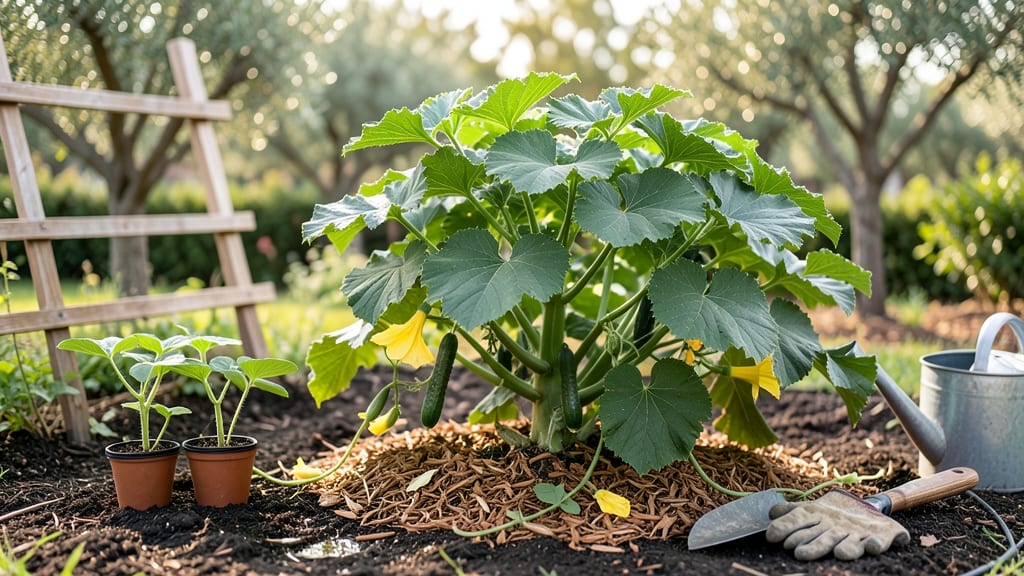
Timing your 🥒 cucumber planting in North Carolina can mean the difference between a bumper crop and a disappointing harvest—especially when those unpredictable spring frosts or scorching summer heat throw off your plans.
If you've ever watched your seedlings wilt overnight or struggled with vines that bolt too quickly, you know how critical getting the dates just right really is.
Here's the secret: soil temperature matters just as much as the calendar. While most gardeners focus on frost dates, your cucumbers won't thrive until the dirt warms to at least 60°F—and that window varies dramatically between the mountains and coastal plains.
I'll show you exactly when to plant for best yields, whether you're aiming for crisp spring harvests or late-summer bounty.
What you're about to discover isn't just about throwing seeds in the ground at random—it's about working with North Carolina's unique climate to stretch your growing season. We'll cover both spring and fall planting strategies, plus how to protect your vines from our region's most common pitfalls.
Ready to transform your garden from "meh" to "mind-blowing"? Let's get started.
The key to success lies in understanding your specific USDA zone (whether you're in 6a or 8b) and adjusting your approach accordingly.
By the end, you'll know exactly when to plant, how to prepare your soil, and what to watch for to ensure your cucumbers grow strong and productive all season long.
North Carolina cucumber planting dates by frost-free Zone & soil temperature
North Carolina's diverse climate—from the cool mountain air of the Blue Ridge to the humid coastal plains—means cucumber planting dates vary dramatically. Cucumbers thrive when soil temperatures hit 60°F or warmer, but timing also depends on your USDA hardiness zone and local microclimates.
In Zone 5a (western mountains), you might wait until late May, while Zone 8a (coastal areas) can start as early as mid-March. Getting this right means the difference between a bountiful harvest and wilting vines.
Most gardeners focus on spring planting for cucumbers, but NC's long growing season allows for a fall harvest window too. The key is understanding your last frost date and soil warmth trends.
For example, Asheville's Zone 7a typically sees its last frost around April 15, while Wilmington's Zone 8a might already be frost-free by March 1. Even within the same zone, elevation changes can shift planting dates by 2-3 weeks—mountain gardens stay cooler longer.
Here's the critical rule: Never plant cucumbers until the soil is consistently 60°F+ at 4 inches deep. A soil thermometer is your best friend here.
In Zone 6a (like Raleigh), this usually aligns with mid-April to early May, while Zone 8a gardeners can start by late February if using black plastic mulch to warm the soil faster. Without proper soil warmth, seeds rot in the ground, and seedlings struggle to establish.
| USDA Zone | Last Frost Date | Ideal Planting Window | Soil Temp Requirement | Fall Planting Window | Notes |
|---|---|---|---|---|---|
| 5a (Mountains) | May 1-15 | Late May to early June | 60°F+ (warmer microclimates) | July 15-August 1 | Use row covers for early starts |
| 6a (Piedmont) | April 1-15 | Mid-April to early May | 60°F+ (consistent) | July 1-August 15 | Black plastic mulch speeds soil warming |
| 7a (Central NC) | March 20-April 5 | Early April to mid-May | 60°F+ (3-4 weeks before planting) | June 20-July 30 | Succession plant every 2 weeks |
| 7b (Coastal Plain) | March 15-April 1 | Late March to early May | 60°F+ (humidity speeds warming) | June 15-July 20 | Watch for fungal diseases in humidity |
| 8a (Coastal) | February 15-March 1 | Late February to April | 60°F+ (earlier with mulch) | May 15-June 30 | Longest growing season; double crop |
How to extend your cucumber growing season in North Carolina
North Carolina's short growing season can make cucumber gardening challenging, but with the right strategies, you can enjoy fresh homegrown cucumbers from early spring to late fall. The key lies in protecting tender seedlings and extending the harvest window through smart planning and seasonal adaptations.
Whether you're dealing with early spring chills or late-season frosts, these techniques will help you beat the odds and maximize your yield.
One of the most effective ways to start cucumbers early is by using cold frames or row covers. These tools create a microclimate that warms the soil faster and protects young plants from late frosts.
In Zone 6a, where frosts can linger until mid-April, cold frames can give you a 4-6 week head start on the growing season. For gardeners in coastal areas, like the Outer Banks, milder temperatures may allow for even earlier planting with minimal protection.
- Use cold frames to plant 4-6 weeks before the last frost date. Place them in full-sun locations and monitor soil temps to ensure they reach 60°F+.
- Apply row covers after planting to protect seedlings from light frosts (up to 28°F). Remove covers when flowers appear to allow pollination.
- Plant succession crops every 2-3 weeks from May to July to ensure a continuous harvest through early fall.
- Extend fall harvests with low tunnels or hoop houses to trap heat and delay first frost by 3-4 weeks.
- Choose fast-maturing varieties like 'Straight Eight' or 'Marketmore', which reach harvest in 50-55 days, perfect for short-season gardens.
For late-season protection, focus on extending the harvest window as temperatures drop. Low tunnels or hoop houses are game-changers in Zone 7a and below, where frosts can arrive as early as mid-October. These structures create a warmer environment and can push your harvest into November.
Pair this with black plastic mulch to keep the soil warm and suppress weeds, giving your cucumbers the best chance to thrive even as days grow shorter.
Don’t overlook the power of succession planting. Instead of planting all your cucumbers at once, stagger your seedlings or seeds every 2-3 weeks from mid-May to early July. This ensures a steady supply of fresh cucumbers throughout the summer and into early fall.
For example, plant your first batch in late May, the second in early June, and a final batch in mid-July to catch the late-summer heat before cooler weather sets in.
If you're growing cucumbers in containers, move them to a sunny indoor space or a greenhouse as temperatures drop. A south-facing window or a well-lit greenhouse can provide the 6-8 hours of sunlight cucumbers need, even in winter months.
Just be sure to reduce watering and fertilizer use during this time, as growth slows significantly.
Finally, keep an eye on the weather forecast and be ready to act. If a hard frost is predicted, cover your plants with frost cloth or bring potted cucumbers indoors.
With these strategies, you can extend your cucumber season by 2-3 months and enjoy a bountiful harvest well beyond the typical growing window. Happy gardening!