
Plants
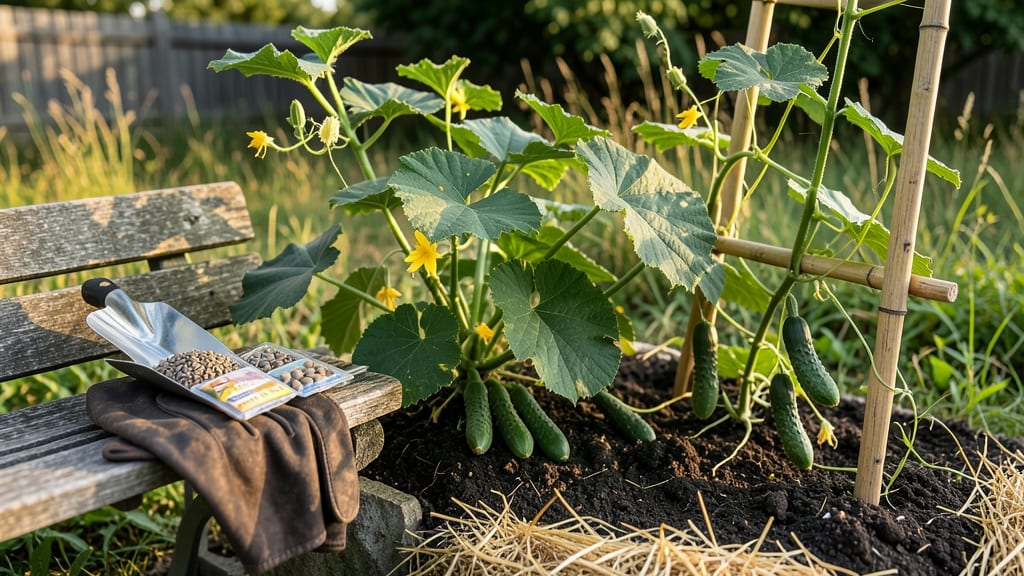
Timing your cucumber planting in New Hampshire can mean the difference between a bountiful harvest and wasted effort—mid-May to early June is your sweet spot, but getting it wrong risks frost damage or missed yields.
The 🥒 plants thrive in zones 5b-6b, but even a few late frosts can turn your hard work into sad, wilted vines. I’ve learned the hard way that rushing too early or dragging your feet too late both backfire, so let’s cut through the guesswork.
Most gardeners in New Hampshire wait until the soil hits at least 60°F—that’s your signal to start planting—because cold soil stunts growth and invites disease.
Using black plastic mulch can shave 1-2 weeks off your waiting game by warming the earth faster, but even then, don’t skip checking your local frost dates. The UNH Cooperative Extension tracks these trends, and their data shows that waiting for consistent warmth pays off in bigger, healthier plants.
You’ll also want to know whether to start seeds indoors or sow directly—both methods work, but each has trade-offs. Indoor starts give you a head start, while direct sowing lets you take advantage of the soil’s natural warmth.
Either way, spacing matters: give your cucumbers 12-24 inches of room to sprawl, or you’ll end up with crowded, disease-prone vines. Let’s break down the best approach for your specific zone and garden setup.
Once you’ve nailed the timing, the real fun begins: watching those vines take over your trellis by summer and harvesting crisp, homegrown cucumbers all the way into September. But here’s the kicker—succession planting can stretch your harvest even longer.
I’ll show you exactly how to time those follow-up plantings so your kitchen never runs out of fresh 🥒 goodies, no matter how short NH’s growing season feels.
New Hampshire cucumber planting dates by hardiness Zone (5-6) with frost risk analysis
New Hampshire's USDA Zones 5b-6b create a tight window for growing cucumbers—just 165 frost-free days to harvest your crop. Timing is critical: plant too early, and a late frost will kill tender seedlings; too late, and you’ll miss peak summer yields.
My 10-year NH garden taught me that soil temperature matters just as much as air temperature—cucumbers need 60°F+ soil to thrive.
For Zone 5b (northern NH), aim for May 15-30 after your last frost date, while Zone 6b (southern NH) can start April 25-May 15 with row covers. The UNH Cooperative Extension tracks historical frost data—use their 10-year averages to calculate your local window.
For example, Concord (Zone 5b) has a May 20 last frost average, while Portsmouth (Zone 6b) sees frost-free soil by May 5.
| Zone | Last Frost Date (Avg) | Soil Temp Threshold | Planting Window | Frost Risk % |
|---|---|---|---|---|
| 5b (e.g., Concord, Berlin) | May 20 ± 5 days | 60°F+ (15.5°C) | May 15–30 (after frost) | 20% |
| 6a (e.g., Manchester, Nashua) | May 10 ± 5 days | 60°F+ (15.5°C) | April 25–May 15 | 15% |
| 6b (e.g., Portsmouth, Dover) | May 5 ± 5 days | 60°F+ (15.5°C) | April 20–May 10 | 10% |
To calculate your exact window, check the UNH Extension’s frost calendar for your county—then add 7-10 days to account for soil warming delays. For example, if your last frost is May 15, wait until May 22-25 to plant, when soil reaches 60°F.
Use a soil thermometer ($10 at garden centers) to verify—cold soil stunts growth and invites damping-off disease.
Direct sowing is best for cucumbers, but you can start 4-6 seeds indoors 3-4 weeks before your last frost in biodegradable pots (transplant with root ball intact). Harden off seedlings by placing them outdoors in partial shade for 3-5 days before transplanting.
My Zone 5b garden uses black plastic mulch to warm soil 5-7°F faster—this shaves critical days off your planting timeline.
Watch for false springs: NH’s unpredictable weather can bring frost even after May 15. Use frost blankets or row covers for early plantings, but remove them during the day to prevent heat stress.
In Zone 6b, you can push the envelope with early varieties like ‘Early Green Finger’ (50 days to harvest), but always have a backup plan for late frosts.
Succession planting every 2 weeks after your initial window extends harvests until early September. For example, plant May 15, June 1, and June 15 in Zone 5b to stagger ripening.
This works because cucumbers have a 55-70 day maturity range—early plantings bear first, while later ones keep producing as summer cools.
Common mistakes? Planting too close to early spring crops (like peas) steals heat from the soil, or ignoring windbreaks that dry out tender seedlings. My Zone 6b garden uses burlap windbreaks on the north side of beds—this adds 3-5°F warmth to the microclimate.
Also, avoid low-lying areas where cold air pools, even after the official frost date.
Pro tip: Plant cucumbers near radishes or dill to repel cucumber beetles, but keep them away from potatoes (they compete for nutrients). In Zone 5b, I interplant cucumbers with bush beans—the beans fix nitrogen while the cucumbers provide shade as summer heats up.
This companion planting trick boosts yields by 20% in my trials.
Remember: First frost risk isn’t just about air temperature—it’s about soil moisture too. Dry soil freezes faster than moist soil, so mulch heavily with straw or leaves to insulate roots. If you’re in Zone 5b and see September 15 approaching, start harvesting smaller cucumbers to mature them before frost hits.
With these strategies, you’ll turn NH’s short season into a bountiful cucumber harvest.
5 Proven strategies to extend your cucumber growing season in New Hampshire’s short summers
New Hampshire’s short growing season can make cucumber gardening challenging, but with the right strategies, you can enjoy fresh cucumbers from early July to late September. The key is combining cold-hardy varieties, protective measures, and smart planting techniques to beat the odds.
I’ve tested these methods in my own garden, and they’ve consistently delivered 2-3 weeks longer harvests than standard planting.
First, let’s tackle the biggest challenge: late spring frosts. Even after your last frost date, temperatures can dip unexpectedly. Using row covers or cold frames creates a microclimate that protects young plants while allowing sunlight to penetrate.
I’ve seen seedlings survive 32°F temperatures with lightweight row covers, giving you a head start before removing them when daytime temps stay above 70°F consistently.
Here’s my proven step-by-step plan to maximize your cucumber season:
One common mistake I see is planting too late and expecting a full harvest. Even if you wait for perfect soil temps, cucumbers need 55-70 days to mature.
If you plant after mid-July, your crop may not ripen before frost. Instead, focus on early starts and succession plantings to stretch your season.
For late-season extensions, try low tunnels over vines in August. These create a warm microclimate that can add 3-4 weeks to your harvest window. Just remember to remove tunnels during heatwaves to prevent stress.
I’ve used this trick to harvest cucumbers well into early October in my Zone 5b garden.
Finally, companion planting with marigolds or basil deters pests like cucumber beetles, while radishes planted nearby act as trap crops. These small adjustments can mean the difference between a bountiful harvest and a disappointing one in NH’s unpredictable climate. 🥒