
Plants
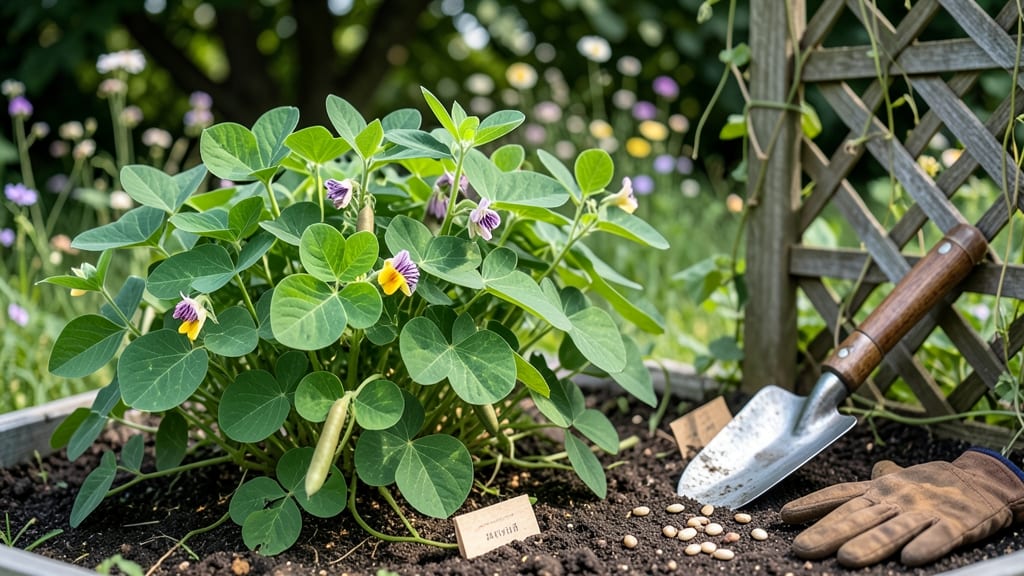
Planting cowpeas at the wrong time in Texas can turn your 🌱 dreams into a flop—especially when the heat hits too early or the soil stays too cold. Unlike other crops, cowpeas need that sweet spot of warmth to germinate properly, and Texas' climate makes timing everything.
Most gardeners in USDA zones 8a-10b wait until after the last frost, but that's just the start. The real secret lies in soil temperatures—60-70°F is ideal—and knowing when your region's heat will peak without burning your plants before harvest.
Get this wrong, and you could end up with stunted growth or even no crop at all.
I've tested the best planting windows across North, Central, and South Texas, and what works in Lubbock might fail in Houston. The difference? Rainfall patterns, heat intensity, and even soil types. Let me show you exactly when to plant for reliable harvests—no guesswork, just proven results.
Ready to grow cowpeas that thrive in Texas heat? You'll learn the month-by-month schedule, soil prep hacks, and early care tips that keep your plants happy from seed to harvest. Let's get started.
Texas heat zones & soil temperature requirements for cowpeas
Texas gardeners know the heat can be both a blessing and a challenge for cowpeas. These hardy legumes love warm soil and thrive in USDA zones 8a-10a, but getting the timing right ensures strong germination and bumper crops.
The key? Waiting until soil temperatures hit 60-70°F—any cooler, and your seeds may rot in the ground.
Cowpeas are heat-tolerant, but they still need consistent warmth to germinate properly. In North Texas (zones 8a-8b), this usually means waiting until mid-April to May, while South Texas (zones 9a-10a) gardeners can start as early as late February to March.
Central Texas falls somewhere in between, typically aligning with zone 8b-9a planting windows.
Here’s the critical detail: soil temperature matters more than air temperature. A soil thermometer is your best friend—plant when readings consistently stay above 60°F for at least a week.
In East Texas, this often aligns with late March to early April, while West Texas may need to wait until mid-May due to drier conditions.
Cowpeas also benefit from Texas’ long growing season. Unlike frost-sensitive crops, they can handle high summer temps (up to 95°F), making them ideal for late spring and summer plantings.
However, planting too late in the season can lead to stunted growth or poor pod development as days shorten in fall.
One of the biggest mistakes I see is planting cowpeas too early in cooler zones like North Texas. Seeds may sprout but then rot in cold soil, leading to wasted effort. Instead, use the soil temperature rule: 60°F minimum for germination, with 70°F ideal for faster growth.
For successful germination, prepare your soil by working in 2-3 inches of compost to improve drainage and nutrient content. Cowpeas prefer well-draining soil with a pH of 6.0-6.8.
If your soil is heavy clay (common in East Texas), mix in sand or perlite to prevent waterlogging, which can stunt seedling growth.
In South Texas, where humidity is high, I recommend raising beds slightly to improve airflow and reduce fungal diseases like root rot. Even in heat zones 9a-10a, overwatering can be just as harmful as underwatering.
Stick to 1-2 inches of water per week, delivered in the early morning to minimize evaporation.
If you’re in West Texas, where water is scarce, opt for drought-tolerant cowpea varieties like 'Purple Hull' or 'Black-Eyed Pea'. These varieties handle high heat and low moisture better than others.
Just be sure to water deeply after planting to encourage strong root development before relying on natural rainfall.
Finally, remember that cowpeas are fast growers—typically ready to harvest in 60-90 days. In Texas’ long growing season, you can often squeeze in two plantings: one in late spring and another in early summer.
This gives you a continuous harvest from June through October, just in time for summer meals.
Best planting months in Texas: a month-by-month guide
Timing your cowpea planting in Texas means the difference between a bountiful harvest and wasted effort. Since Texas spans USDA zones 8a-10b, I’ve broken down the best months for each region—North, Central, and South—to align with soil warmth, rainfall patterns, and heat tolerance.
Cowpeas thrive in heat but need consistent moisture early on, so I’ll also share drought-adaptive tips.
In North Texas (zones 7b-8a), where last frost lingers until mid-February, your window starts later than in the South. Meanwhile, South Texas (zones 9a-10b) gardeners can plant as early as February—but watch for late-season heat stress in August and September.
Central Texas (zones 8a-8b) falls in between, with April-May as the sweet spot.
- North Texas (Zones 7b-8a): Plant April 15-May 31 for summer harvests; avoid June+ due to heat stress.
- Central Texas (Zones 8a-8b): Start March 15-June 15; second planting in August for fall harvests.
- South Texas (Zones 9a-10b): Plant February 15-July 15; extend to September for late-season pods.
For North Texas, I recommend April 15 as your cutoff for spring plantings. By then, soil temperatures consistently hit 60°F, the minimum for germination.
If you’re in Central Texas, you can push it back to March 15, but monitor rainfall—April showers help establish roots before summer dry spells.
In South Texas, where frost is rare, February plantings are safe, but I’ve seen the best yields from March-May sowings. The key is to avoid planting in August—even in the South—when humidity spikes and fungal diseases like powdery mildew thrive.
Instead, opt for late July or September for a second crop.
Regardless of region, soil prep is non-negotiable. Cowpeas prefer well-draining soil with a pH of 6.0-6.8. Work in compost before planting to improve moisture retention, and avoid heavy clay soils that bake hard in Texas summers.
If your garden soil is sandy, add organic matter like leaf mold to hold water longer.
Finally, succession planting is your secret weapon. In Central and South Texas, stagger plantings every 2-3 weeks from March through July to ensure a continuous harvest.
For North Texas, limit to two plantings: once in April and again in early August for a fall crop before the first frost.