
Plants
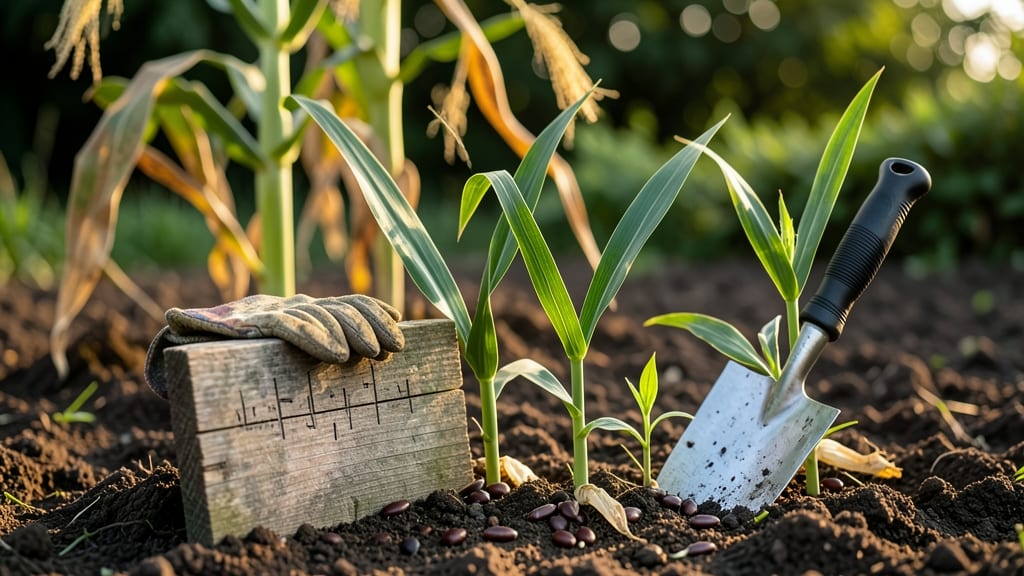
Planting corn in Zone 8a at the wrong time can turn your 🌽 dreams into a sad, stunted garden experiment—unless you know the exact window to beat the heat and frost.
The difference between a bountiful harvest and wasted effort often comes down to timing, and in Zone 8a, that means getting seeds in the ground 2-4 weeks before your last frost date (typically mid-April to early June).
Why does this matter? Corn is finicky—too early, and a late frost will fry your seedlings; too late, and the summer heat will stress your plants before they mature.
But here’s the good news: with the right variety and a few smart tricks, you can stretch your growing season and even squeeze in a second crop. I’ll show you how to pick the perfect planting window, choose heat-tolerant varieties, and avoid the mistakes that kill yields in Zone 8a.
Let’s start with the basics: soil temperature, frost dates, and the ideal planting window for your zone. You’ll also discover how to extend your season with row covers, mulch, and late-summer varieties—because in Zone 8a, timing isn’t just about the calendar, it’s about working with the weather.
Ready to grow corn like a pro?
Whether you’re a first-time gardener or a seasoned grower, these insights will help you maximize your harvest and avoid common pitfalls. By the end, you’ll know exactly when to plant, how to adjust for your microclimate, and which varieties thrive in Zone 8a’s heat.
Let’s get those seeds in the ground!

Optimal corn planting weeks before last frost in Zone 8a (with exact dates)
In Zone 8a, where the average last frost date falls around March 15, planting corn too early risks frost damage, while waiting too long may shorten your growing season.
The ideal window is 2-4 weeks before your local last frost, typically mid-April to early May for most varieties. This timing ensures your corn has 80-100 days to mature before first frost (usually November 15) hits.
Corn thrives when soil temperatures reach 50°F+ consistently. Use a soil thermometer to confirm—planting in cold soil slows germination and weakens seedlings.
In Zone 8a, soil warms to this threshold around late March to early April, but wait until after last frost to avoid overnight chills that can kill tender sprouts.
Your local last frost date may vary slightly from the average. Check the USDA Plant Hardiness Zone Map or consult your local cooperative extension service for precise data. For example, San Diego might see frost as late as March 31, while Atlanta could experience it by March 15.
Adjust your planting by 2-3 weeks earlier if your area tends to have late frosts.
Not all corn varieties need the same timeframe. Early-maturing varieties (like 'Early Sunglow', 60-70 days) can be planted 2-3 weeks before the traditional window, while late varieties (like 'Black Aztec', 100+ days) should go in closer to the last frost date.
Mixing varieties lets you stagger harvests from late summer to fall.
| Corn Type | Days to Maturity | Planting Window (Zone 8a) | Soil Temp Requirement | Harvest Window |
|---|---|---|---|---|
| Sweet Corn (Early) | 60–75 days | Late March–early April | 50°F+ | Late June–July |
| Sweet Corn (Mid) | 80–90 days | Mid-April–early May | 50°F+ | July–August |
| Sweet Corn (Late) | 90–100+ days | Early May–mid-May | 50°F+ | August–September |
| Field/Popcorn | 100–120 days | Late April–early May | 55°F+ | September–October |
For heat-tolerant varieties like 'Peaches and Cream' or 'Silver Queen', you can push planting to mid-May in Zone 8a, but expect a smaller yield if planted after May 15. These varieties handle warmer soils better but still need consistent moisture during pollination to set ears properly.
If your last frost date is later than average (e.g., April 1), consider succession planting with early varieties every 2 weeks until mid-May. This spreads out your harvest and maximizes garden space.
Just ensure each batch has enough time to mature before first frost—aim for at least 80 days to harvest.
Test your soil’s readiness by checking soil temperature for 3 consecutive days at 50°F+. If nights are still below 40°F, use row covers or black plastic mulch to warm the soil faster. In Zone 8a, this is especially helpful in higher-elevation areas where soils cool slower.
Remember, corn is wind-pollinated, so plant
How to extend corn season in Zone 8a: late planting tips for second crops
If you've missed the traditional spring planting window in Zone 8a, don't despair—corn can still thrive with the right strategies. Many gardeners assume late planting means poor yields, but heat-tolerant varieties and smart techniques can push your harvest into late summer or even early fall.
The key is choosing the right corn varieties and preparing your soil aggressively to compensate for the shorter growing season.
One of my favorite late-season varieties is 'Peaches and Cream', which matures in just 75 days and handles heat beautifully. Another reliable option is 'Silver Queen', a classic sweet corn that performs well in warmer conditions.
These varieties are perfect for succession planting—a technique where you stagger plantings every 2 weeks to extend your harvest window.
Before diving into late planting, let's weigh the pros and cons to ensure it's the right move for your garden.
Late Corn Planting in Zone 8a: Pros and Cons
Pros
- Extended harvest: Enjoy corn into late summer
- Heat-tolerant varieties perform well
- Succession planting maximizes garden space
- Fewer pests in late-season plantings
Cons
- Shorter growing season risks immature ears
- Higher water needs in peak summer heat
- Drought stress can reduce yields
- Not ideal for early-maturing varieties
To give your late-planted corn the best chance, start by warming your soil faster. Lay down black plastic mulch 2-3 weeks before planting to raise soil temperatures by 10-15°F. This helps seeds germinate quickly and gives young plants a strong start.
I've also had great success using row covers to protect seedlings from sudden heat spikes while allowing sunlight to penetrate.
When planting late, focus on succession planting with 2-week intervals. This ensures a continuous harvest rather than one big batch. For example, plant your first batch in early June and follow with additional plantings every 2 weeks until mid-July.
Remember to use dwarf varieties like 'Bodacious' if space is limited—they mature faster and are perfect for containers or small gardens.
Monitor your corn closely for signs of stress. Late-season plants need consistent watering—aim for 1-2 inches per week—and may benefit from a light application of fish emulsion to boost nutrient uptake.
Watch for European corn borers, which are more active in hot weather, and use neem oil as a preventive measure if needed.
Know when to call it quits: If your local forecast shows consistent 90°F+ temperatures for more than 2 weeks, late planting may not be worth the risk.
Corn struggles to pollinate properly in extreme heat, leading to poor ear development. In these cases, consider switching to heat-tolerant greens like Malabar spinach or okra instead.
With the right approach, late-season corn can be just as rewarding as spring plantings. Start small with a test row of 'Peaches and Cream', and you might discover a new favorite harvest time in your Zone 8a garden! 🌽