
Plants
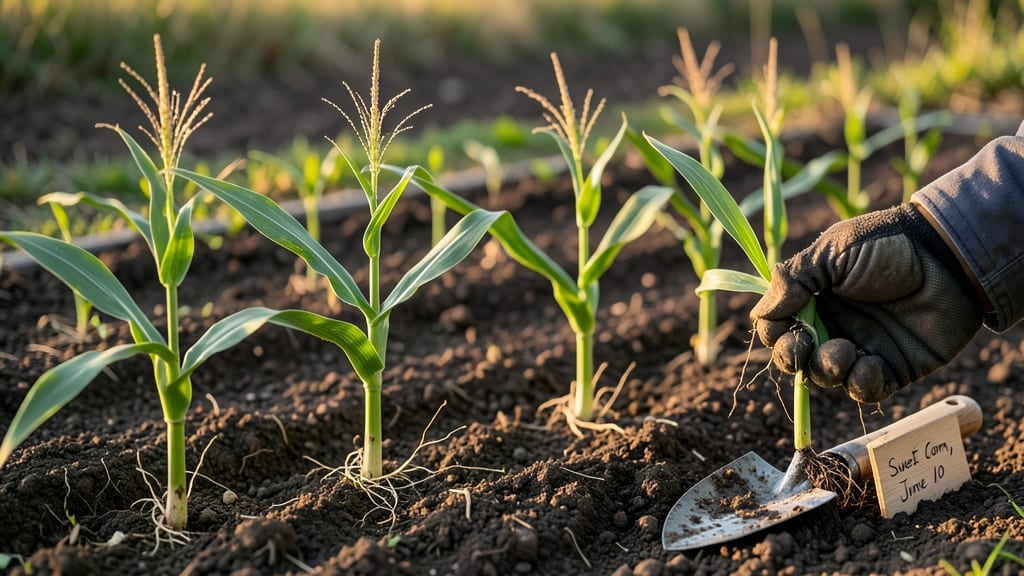
Planting corn in Zone 6b at the wrong time can turn your 🌽 dreams into a sad, stunted mess—because this crop demands precision. The difference between a thriving harvest and a total flop often comes down to those 3-4 critical weeks after the last frost when soil finally warms up.
If you've ever stared at your seed packets wondering, "Why isn't my corn even sprouting?" you're not alone. Zone 6b's unpredictable spring weather—where frost can linger until mid-April—makes timing everything.
I'll show you exactly when to plant for maximum success, including how to read soil temperatures like a pro and which varieties actually thrive in cooler conditions.
Most gardeners in 6b rush to plant too early, only to watch their seeds rot in cold soil. The key? Waiting until the ground hits at least 50°F—and knowing the exact window (mid-April to early May) where your corn will have 90+ days to mature before frost strikes again.
Let's cut through the guesswork so you can grow corn that's tall, sweet, and ready for the table by late summer. Ready to turn your garden into a cornucopia? Here's what you need to know.

Zone 6B frost dates & ideal corn planting window by month
Corn thrives in Zone 6B when planted after the last frost, but timing varies between Piedmont and Appalachian regions. The average last frost date ranges from mid-April in Piedmont to early May in higher Appalachian elevations. Soil temperatures must reach 50°F+ for germination—waiting for these conditions ensures strong starts.
In Zone 6B, corn's 60-90 day varieties need a 165-day frost-free window. Early varieties (60-70 days) can handle late starts, while longer-season types (80+ days) require precise timing. My experience shows that planting too early risks frost damage, while late starts may not mature before fall frosts.
Here’s your Zone 6B corn planting timeline, accounting for regional microclimates:
| Month | Last Frost Date | Ideal Planting Window | Soil Temp (°F) | Notes |
|---|---|---|---|---|
| April | Mid-April (Piedmont) / Late April (Appalachian) | Late April - Early May | 50°F+ | Use black plastic mulch to warm soil faster. |
| May | N/A | Mid-May (backup window) | 55°F+ | Choose 70-day varieties for late starts. |
| June | N/A | Early June (succession planting) | 60°F+ | Best for short-season varieties only. |
For Piedmont gardeners, aim to plant by April 20 for full-season varieties, while Appalachian growers should wait until May 1 to avoid frost risks. I’ve seen success with succession planting in June for late-harvest corn, but yields may be smaller due to shorter daylight.
Corn loves warm soil, so accelerate germination by covering seed beds with black plastic mulch 1-2 weeks before planting. This raises soil temps by 5-10°F, giving you a 2-week head start on the season. Just remove mulch after germination to prevent overheating.
In Zone 6B, first frost typically arrives around October 15, leaving about 165 frost-free days. This limits you to 80-90 day varieties unless you’re in a microclimate with later frosts. I recommend 'Ambrosia' (85 days) or 'Peaches & Cream' (75 days) for reliable harvests.
If you’re in a cooler microclimate (e.g., mountain valleys), opt for dwarf varieties like 'Bodacious' (70 days) that mature faster. These can handle slightly later starts while still producing sweet ears. Always plant in blocks, not rows, to improve pollination rates in windy Appalachian areas.
Watch for false springs—those warm April days followed by late frosts. Use a soil thermometer to confirm temps are stable above 50°F for at least 3 days before planting. I’ve lost entire corn patches to late frosts after trusting weather forecasts alone!
For extended harvests, stagger plantings every 2 weeks from April through early June. This ensures a steady supply of fresh ears from late July through September. Just remember: corn planted after June 15 in Zone 6B rarely matures fully before frost.
🌽
How to check soil temperature for perfect corn germination
Corn seeds need consistent warmth to sprout properly, and in Zone 6B, soil temperatures can fluctuate wildly between 40°F and 70°F in early spring. Waiting for the soil to reach at least 50°F ensures strong germination and faster growth.
Without checking, you risk planting too early—only for a late frost to kill your seedlings.
I’ve learned the hard way that guessing soil temperature leads to weak, stunted plants. Instead, use a soil thermometer to monitor warmth accurately. These inexpensive tools give you real-time data, so you can time your planting perfectly for 'Silver Queen' or 'Peaches & Cream' varieties, which thrive in cooler conditions.
Start testing your soil 2-3 weeks before your target planting date. Check temperatures in the morning and afternoon—soil warms up faster in direct sunlight. If your thermometer reads below 50°F consistently, wait another week.
Corn seeds won’t germinate well in cold soil, and even if they sprout, they’ll struggle to establish roots.
🌱Pro Tip: Place your soil thermometer 1-2 inches deep, mimicking your planting depth. This gives you the most accurate reading for seed-level warmth. If you’re planting in raised beds, check both the center and edges—they can vary significantly.
⚠️ Zone 6B Warning: Don’t Plant Corn Before Last Frost!
In Zone 6B, the average last frost date falls around April 15, but soil may still be too cold. Planting too early risks frost damage to young seedlings. Wait until soil hits 50°F+ consistently—usually mid-to-late April—before sowing 'Silver Queen' (70-day variety) or 'Peaches & Cream' (85-day variety). Late varieties like 'Ambrosia' need even warmer soil (60°F+).
📅 Action Step: Mark your calendar for May 1 as a safe late-planting cutoff for short-season varieties.
If your soil is too cold, consider using black plastic mulch or row covers to warm it faster. These methods can raise soil temperatures by 5-10°F, giving you an earlier start. Just be sure to remove covers once plants emerge to avoid overheating.
For late corn varieties, like 'Bodacious', aim for soil temps of 60°F+—they need more heat to mature fully in Zone 6B’s short season.
Once your soil hits the ideal 55-65°F range, plant your seeds 1-1.5 inches deep and keep the soil moist but not soggy. Germination should start within 7-14 days, depending on variety and conditions.
If you’re unsure about your soil’s warmth, err on the side of waiting—better late than early when it comes to corn!
🌾 Final Tip: Keep a planting journal to track soil temps and success rates. Over time, you’ll spot patterns in your microclimate—like how your south-facing bed warms up faster than the north side. This helps you fine-tune planting dates year after year!