
Plants
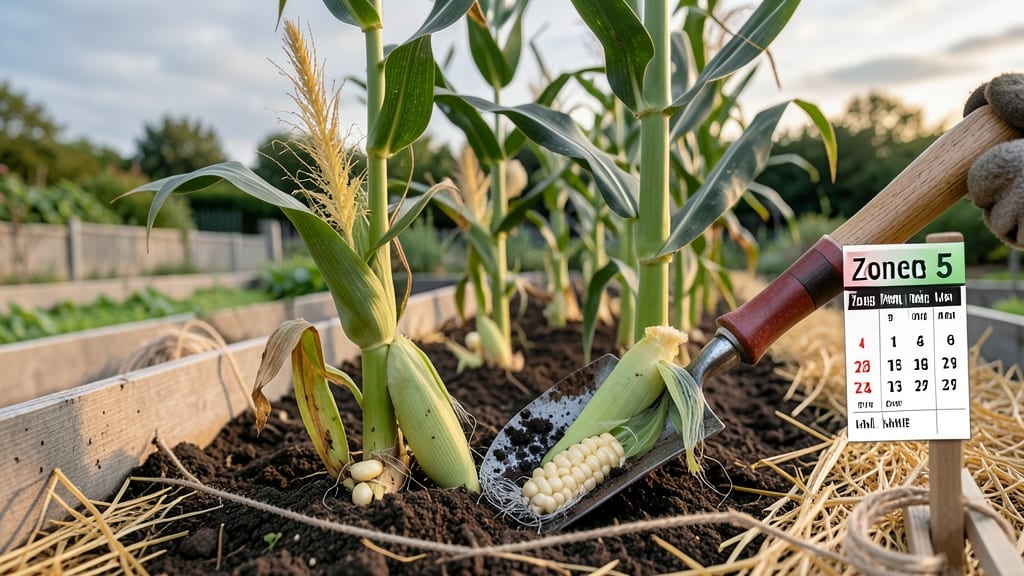
Planting corn in Zone 5 at the wrong time can turn your golden dreams into a sad, stunted garden story—especially when spring refuses to cooperate.
The key isn’t just following a calendar date but waiting for that perfect soil temperature of 50–60°F, which signals it’s finally safe to drop those seeds. I’ve learned the hard way that rushing too early (or waiting too long) can leave you with patchy sprouts or missed harvests entirely.
Most gardeners in Zone 5 aim for mid-April to mid-May, but that’s a guess unless you’re checking the soil—not the weather forecast. A quick test with your hand (or a thermometer) can save you weeks of frustration.
Imagine sinking your fingers into warm, crumbly earth instead of cold, clumpy dirt—your corn will thank you for the patience.
Here’s the game-changer: fast-maturing varieties like ‘Early Sunglow’ give you a second chance if spring drags on, while succession planting lets you stretch your harvest into September. But without the right timing, even the best seeds won’t perform.
Let’s break down how to nail this every time, so you’re feasting on fresh 🌽 instead of watching your neighbors’ bountiful rows.
Whether you’re a first-time gardener or a veteran with frostbitten memories, these tips will help you avoid the most common mistakes—like planting too soon or ignoring soil warmth.
By the end, you’ll know exactly when to put those seeds in the ground for a reliable, high-yield harvest that puts Zone 5’s short season to work for you.

Zone 5 corn planting dates based on soil temperature (not calendar)
Corn thrives in warm soil, but getting the timing right in Zone 5 can mean the difference between a bumper crop and a disappointing patch—especially when unpredictable spring weather strikes. The key to success isn't following a calendar date but waiting until your soil reaches 50–60°F (10–15°C).
This temperature range triggers germination and ensures strong root development, which is critical for corn's 6–10-foot stature.
Many gardeners make the mistake of planting too early, only to see seeds rot in cold soil. Corn seeds need warmth to activate enzymes that break down starches into sugars, fueling early growth.
In Zone 5, where last frost dates can vary from mid-April to late May, relying on soil temperature rather than calendar dates gives your corn the best start. Let's explore how to time your planting for maximum success.
A soil thermometer is your best tool for determining readiness. Check temperatures at 1-inch depth (where seeds will be planted) in the morning and evening. Consistently warm soil at 60°F (15°C) or above signals it's time to plant.
In cooler springs, this might mean waiting until early June, while warmer years could allow planting as early as late April. The right timing ensures 80–90% germination rates for varieties like 'Early Sunglow' or 'Silver Queen'.
Here’s how to adjust your planting schedule based on soil warmth and local climate patterns:
| Soil Temperature | Planting Window | Corn Variety Fit | Notes |
|---|---|---|---|
| 50–55°F (10–13°C) | Late April–Early May | Fast-maturing (60–75 days) | Risk of slow germination; use black plastic mulch to warm soil. |
| 55–60°F (13–15°C) | Mid-May | Medium-maturing (75–85 days) | Ideal for most Zone 5 varieties; balance of warmth and frost risk. |
| 60–65°F (15–18°C) | Late May–Early June | Longer-season (90+ days) | Best for late varieties; minimal frost risk after planting. |
| Below 50°F (10°C) | Avoid planting | N/A | Seeds may rot; wait for warmer soil or use a cold frame. |
If you're planting in early spring and soil temperatures are still below 50°F, consider using black plastic mulch or a cold frame to warm the soil faster. These methods can raise soil temperatures by 5–10°F, accelerating germination and giving your corn a head start.
For example, covering your planting area with black plastic a week before sowing can turn a 50°F soil into a 60°F environment, making it safe to plant earlier.
For gardeners in Zone 5 with late springs, focus on short-season varieties like 'Ambrosia' or 'Peaches and Cream'. These mature in 70–80 days, allowing you to harvest before the first frost in mid-October.
If your soil stays cool until June, opt for varieties labeled "early" or "short-season" to ensure a successful harvest. Succession planting every 2 weeks after the initial planting can stretch your harvest window by 4–6 weeks.
Another critical factor is moisture retention. Corn seeds need consistent moisture to germinate, but soggy soil can lead to rot. After planting, keep the soil evenly moist by watering 1–2 inches per week, especially during dry spells.
Use a drip irrigation system or soaker hose to deliver water directly to the roots without disturbing the soil surface. This method also reduces the risk of fungal diseases like corn smut, which thrives in wet foliage.
Watch for unpredictable cold snaps, which can delay planting or damage young seedlings. If temperatures drop below 50°F (10°C) after planting, protect your corn with row covers or frost blankets. These barriers trap heat and create a microclimate that keeps soil temperatures stable.
For example, a row cover can raise soil temperatures by 3–5°F, making it safer to plant in marginal conditions. Always remove covers during the day to allow sunlight and prevent overheating.
Finally, remember that corn is wind-pollinated, so planting in blocks (not single rows) improves pollination and ear development. In Zone 5, aim for a 4x4-foot block of corn to ensure adequate pollen transfer.
If you're growing multiple varieties, plant them in separate blocks to avoid cross-pollination, which can affect flavor and kernel color. With the right timing and care, you’ll enjoy a bountiful harvest of sweet, fresh corn from your Zone 5 garden.
🌽
How to test soil warmth for corn sprouting (3 simple methods)
Corn seeds need warm soil—ideally between 60–65°F (15–18°C)—to sprout reliably. In Zone 5, where soil warms slowly, testing temperature prevents planting too early and risking frost damage. I’ve used all three methods below, and they’re foolproof for even the most uncertain spring weather.
Why wait for soil warmth? Cold soil delays germination, leaving seeds vulnerable to rot or pests. A soil thermometer gives precise readings, while DIY methods work when tools aren’t handy. The hand test is my go-to for quick checks, but it’s less accurate in dry soil.
Here’s how to use each method step-by-step, plus what to do if a late frost hits after you’ve planted.
🌡️ Method 1: Soil Thermometer (Most Accurate)
- Timing: Test soil at 10 AM–2 PM for accurate readings (avoid early morning chill).
- Depth: Insert probe 2 inches deep—where corn seeds will sit—and wait 30 seconds.
- Target: Aim for 60°F+ (15°C+). Below 50°F (10°C), germination slows dramatically.
- Pro Tip: Bury the thermometer 24 hours ahead of planting for a stable reading.
📏 Method 2: DIY Buried Thermometer (No Tools Needed)
- Materials: Use a glass thermometer (like a candy or meat thermometer) or a DIY jar sensor (fill a jar with water, freeze it, then bury it).
- Bury: Place the thermometer 2 inches deep in moist soil, near where you’ll plant.
- Check: Read every 2–3 days until it hits 60°F+. A frozen sensor will thaw when soil warms.
- Warning: Glass can break—handle carefully in rocky soil.
👋 Method 3: The Hand Test (Quick & Dirty)
- Dig: Push your hand 2 inches deep into moist soil (not dry topsoil).
- Compare:
- Too cold: Feels like a refrigerator (below 50°F)—planting will fail.
- Perfect: Warmer than your wrist (60–70°F)—ideal for corn.
- Too hot: Feels like a hot tub (above 80°F)—wait for cooler days.
- Limitations: Works best in loamy soil. Sandy soil feels warmer but drains fast.
If a late frost threatens after planting, don’t panic. Cover seedlings with row fabric or a cloche until temperatures stabilize. I’ve saved crops this way in Zone 5—just remove covers once soil warms back to 60°F.
Proper soil warmth timing ensures your corn starts strong, even in Zone 5’s cooler springs. Test for a week to account for daily fluctuations, and you’ll nail the perfect planting window every time. Happy growing!