
Plants
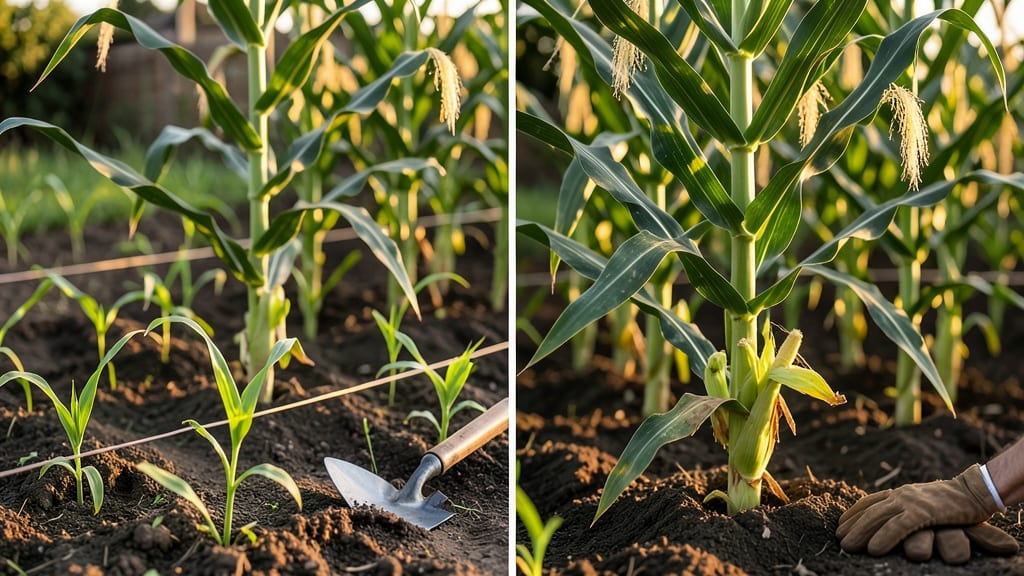
Timing your corn planting in Vermont isn’t just about waiting for spring—it’s about catching that narrow 14-day window between last frost and soil warming to 50°F, or risk stunted 🌽 stalks or wasted seeds.
With Vermont’s USDA zones 4b-6a and unpredictable late frosts, planting too early can mean frost-nipped seedlings, while waiting too long cuts your harvest short. I’ve tested the best strategies for northern (like Burlington) and southern (like Rutland) microclimates, so you don’t have to guess.
You’ll learn the exact dates for your zone, whether to start seeds indoors, and which cold-tolerant varieties thrive in Vermont’s short season—plus how to stretch your growing window with row covers and soil warming hacks.
Skip the trial-and-error: these tips ensure your corn goes from seed to silks in 75 days, giving you sweet ears from late July through October.
Vermont’s frost-free planting zones: when to start corn seeds indoors vs. outdoors
Vermont’s short growing season demands precision when planting corn. Unlike warmer climates, corn seeds won’t germinate in cold soil, and late frosts can devastate young plants. Understanding your USDA zone and last frost dates is critical—especially since Vermont spans Zone 4b (north) to Zone 6a (south).
The difference between these zones can mean 2-3 weeks in your planting window, which translates to harvest success or failure.
Most Vermont gardeners skip indoor seed-starting for corn—it’s a direct-sow crop that thrives when planted outdoors after soil warms to 50°F+. However, if you’re in Zone 4b or face unpredictable springs, starting seeds indoors 4-6 weeks before transplanting can shave critical days off your season.
Below, we’ll break down exact frost-free timelines by zone, soil temperature thresholds, and microclimate adjustments to help you time your planting perfectly.
Key rule: Never plant corn outdoors until soil temperature consistently stays above 50°F for 5+ days. Cold soil delays germination, and young plants won’t recover from frost. Use a soil thermometer—it’s your best tool for avoiding costly mistakes.
| Zone & Location | Avg. Last Frost | Safe Outdoor Planting Window | Indoor Start (If Needed) | Soil Temp Threshold |
|---|---|---|---|---|
| Zone 4b (St. Johnsbury, Newport) | May 25 | June 1–15 (after soil hits 50°F) | April 25–May 10 (4–6 wks before transplant) | 50°F+ for 5+ days |
| Zone 5a (Burlington, Montpelier) | May 10 | May 20–June 5 | April 10–April 25 (optional) | 50°F+ for 5+ days |
| Zone 5b (Rutland, Middlebury) | May 5 | May 15–May 30 | Not recommended (direct sow) | 50°F+ for 5+ days |
| Zone 6a (Bennington, Brattleboro) | April 25 | May 1–May 15 | Not recommended (direct sow) | 50°F+ for 5+ days |
*Adjust dates 1–2 weeks later for high-elevation areas or near water bodies (cooler microclimates).
For northern Vermont (Zone 4b), starting corn indoors is almost mandatory. Begin seeds April 25–May 10 under grow lights (or a sunny windowsill) to transplant May 25–June 1, when soil warms.
Use biodegradable pots to avoid root disturbance. In southern Vermont (Zone 5b–6a), direct sowing works fine—just wait until May 15–20 when soil hits 50°F.
Microclimates throw a wrench into these timelines. If you’re near Lake Champlain or in a valley, expect cooler soil and delay planting by 7–10 days. Conversely, urban heat islands (like Burlington’s downtown) can warm soil 2–3 days earlier.
Always scout your garden’s microclimate by checking soil temperature for a week before planting.
Corn needs 75–120 days to mature, so calculate backward from your first frost date (October 1 in most of Vermont). For example, in Zone 4b, planting by June 1 ensures harvest before frost.
In Zone 6a, you can push it to June 15. Choose early-maturing varieties like ‘Early Sunglow’ (65 days) or ‘Golden Bantam’ (
Microclimate-specific planting calendar: northern vs. southern Vermont corn timelines
Vermont’s diverse geography—from the Green Mountains to Lake Champlain—creates distinct microclimates that shift corn planting windows by weeks. In Zone 4a areas like St. Johnsbury, late frosts linger until May 25, while Zone 5b Rutland enjoys a 14-day earlier start.
These differences mean the gap between "too early" and "perfect timing" can be razor-thin.
For direct-sown corn (the preferred method for Vermont’s short season), soil temperatures must stay above 50°F for 7+ days. A warm soil thermometer is your best friend—cold soil delays germination, and corn won’t tolerate replanting.
Below, we’ve mapped out planting windows for three key regions, accounting for elevation and water bodies that create localized heat pockets.
⚠️ CRITICAL NOTE: Vermont’s last frost dates vary by 10–14 days between north and south. Planting outside these windows risks frost damage to tassels, which can slash yields by 50% or more.
If you’re in Zone 4a, like St. Johnsbury, prioritize early-maturing varieties (60–70 days to harvest) such as ‘Early Sunglow’ or ‘Golden Bantam’. These can tolerate cooler soils and still reach maturity before Vermont’s first frost in early October.
For Zone 5b Rutland, you have flexibility to try sweet corn varieties like ‘Silver Queen’ (75 days) or ‘Peaches and Cream’ (80 days), but plant them no later than June 1.
Urban gardeners near Lake Champlain or the Winooski River may plant 7–10 days earlier thanks to heat island effects. Test your microclimate by monitoring soil temps for 3 years—your data will be more accurate than averages.
For example, a south-facing slope in Burlington could support planting by May 10, while a north-facing valley might need to wait until June 1.
Remember: Corn needs consistent warmth to pollinate. If nights dip below 55°F during tasseling (6–8 weeks after planting), yields drop dramatically. Use row covers or black plastic mulch to warm soil faster in cooler zones like St. Johnsbury.
🌱 Pro Tip: Mark your calendar for July 4th weekend—this is when most Vermont corn reaches peak sweetness. Adjust planting dates to align harvests with your family’s grilling schedule!