
Plants
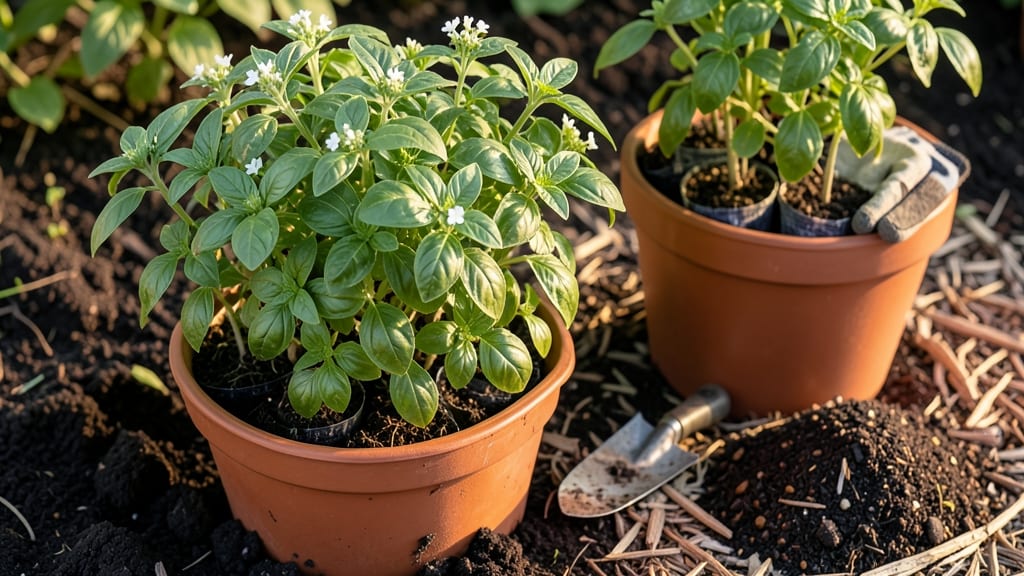
Planting basil in Virginia at the wrong time can mean the difference between a thriving 🌿 harvest and a sad, frost-nipped failure. With last spring frosts lingering into April and zones ranging from 7a to 8a, timing your basil's arrival in the garden is more science than guesswork.
Most gardeners in Virginia wait until after April 15 to plant basil outdoors, but that date shifts depending on your microclimate. Whether you're in the Shenandoah Valley's cooler pockets or Richmond's urban heat islands, understanding your local frost patterns is the key to success.
In this guide, I'll break down exactly when to plant basil in Virginia—whether you're starting seeds indoors in March or transplanting seedlings after the last frost. You'll learn how to read your zone's frost-free timeline and adjust for Virginia's unique climate quirks.
Ready to grow basil that's lush, flavorful, and ready for your kitchen by summer? Let's get started with the perfect planting schedule for your Virginia garden.
Virginia’s basil planting timeline by USDA hardiness zones
Virginia’s diverse climate zones (7a-8a) create unique challenges for growing basil, a heat-loving herb that wilts in cold snaps. The last spring frost varies dramatically—from late March in coastal Norfolk to early May in the Shenandoah Valley—meaning your planting window must shift depending on where you live.
Understanding these frost-free dates ensures your basil thrives from seed to harvest.
Basil seeds need soil temperatures above 70°F to germinate, while transplants tolerate 50°F soil but risk damage below 32°F. In Virginia, this means waiting until after the average last frost date (April 15 for most zones) but also accounting for late-season cold snaps that can linger into May.
Let’s break down the ideal planting windows for each zone.
🌱
| USDA Zone | Avg. Last Frost Date | Safe Transplant Window | Indoor Start Date (for transplants) | Key Risks |
|---|---|---|---|---|
| 7a (e.g., Roanoke, Blacksburg) | April 15 | May 1 - May 15 | March 1 - March 15 | Late frosts into May; slow soil warming |
| 7b (e.g., Lynchburg, Charlottesville) | April 1 | April 20 - May 10 | February 20 - March 10 | Unpredictable late frosts; mountain valleys |
| 8a (e.g., Richmond, Norfolk) | March 15 | April 1 - April 15 | February 1 - February 15 | Urban heat islands may extend window; coastal humidity |
| 8a (e.g., Hampton Roads) | March 1 | March 20 - April 5 | January 20 - February 10 | Mild winters; early planting possible |
*Dates are averages—always monitor local forecasts for late frost alerts.
In Zone 7a (like Roanoke), where late frosts are common, I recommend waiting until May 1 to transplant basil outdoors. The Shenandoah Valley is particularly notorious for May frosts, so using row covers or choosing container gardening gives you more control over soil warmth.
Meanwhile, Zone 8a areas like Norfolk can start basil as early as March 20, thanks to milder coastal climates.
For indoor starts, begin seeds 6-8 weeks before your zone’s last frost date. This means Zone 7a gardeners should start seeds around March 1, while Zone 8a can begin as early as February 1.
Use grow lights to ensure seedlings get 12-16 hours of light daily—basil seedlings stretch toward weak light, becoming leggy and weak.
One critical mistake I see in Virginia gardens is planting basil too early, even after the last frost. Soil temperature matters more than air temperature—use a soil thermometer to confirm 50°F+ before transplanting.
In Zone 7b, where I garden, I’ve lost entire basil patches when a May frost hit unexpectedly. To mitigate this, I now use black plastic mulch to warm the soil faster and harden off transplants for 10 days before setting them out.
If you’re in a transition zone (like parts of Northern Virginia straddling 7b/8a), err on the side of caution. Plant basil in containers near your home’s south side—you can move them indoors if frost threatens.
This method has saved my Genovese basil multiple times during unpredictable spring weather. For direct sowing, wait until soil temperatures hit 70°F+, which typically aligns with late May in cooler zones.
Remember, basil’s growth cycle is short—from transplant to harvest is just 6-8
Microclimate adjustments: when to plant basil in Virginia’s unique hotspots
Virginia’s climate varies dramatically from the urban heat islands of Richmond to the cooler mountain valleys near Roanoke and the moderate coastal breezes of Norfolk. These microclimates can shift your basil’s planting window by 2-3 weeks, making timing everything for a successful harvest.
Understanding these local conditions helps you avoid frost damage or stunted growth while maximizing your basil’s heat-loving potential.
Urban areas like Richmond experience urban heat islands where pavement and buildings trap warmth, creating soil temperatures 5-10°F warmer than surrounding rural zones. Meanwhile, mountain valleys like Roanoke see cooler nights and delayed soil warming, while coastal Norfolk benefits from milder temperatures and longer growing seasons.
Each of these environments demands a tailored approach to planting basil for optimal results.
Soil temperature is the critical factor—basil seeds need at least 50°F soil to germinate, while transplants thrive in 70°F+ conditions. Urban heat islands often hit these thresholds 1-2 weeks earlier than rural areas, while mountain valleys lag behind. Coastal regions provide a middle ground, with consistent warmth from ocean breezes extending the growing season.
| Microclimate | Last Frost Date | Ideal Planting Window | Soil Warmth Notes |
|---|---|---|---|
| Richmond (Urban Heat Island) | April 5 | April 15-May 5 | Soil warms 2 weeks early; use black plastic mulch for faster germination. |
| Roanoke (Mountain Valley) | April 15 | May 1-May 15 | Cooler nights delay soil warming; wait for 60°F+ soil. |
| Norfolk (Coastal) | March 25 | April 1-May 10 | Ocean breezes moderate temps; extend season with row covers. |
In Richmond’s urban heat islands, start basil seeds indoors by March 15 for transplants ready by April 15, when soil temperatures consistently reach 60°F. Use black plastic mulch to accelerate soil warming and protect young plants from late frosts.
For Roanoke’s mountain valleys, delay planting until May 1 to avoid frost damage, as cooler nights can drop soil temperatures below basil’s tolerance.
Coastal Norfolk offers the longest growing season for basil, thanks to milder coastal breezes that extend the frost-free period. Begin planting as early as April 1 and continue through May 10 for a continuous harvest.
Use row covers in early spring to protect seedlings from unexpected cold snaps while taking advantage of the extended warmth.
For all Virginia regions, monitor soil temperature with a soil thermometer—basil seeds won’t germinate below 50°F, and transplants struggle in below 60°F conditions.
Adjust your planting schedule based on local weather patterns, and consider container gardening in urban heat islands to control soil warmth and extend the growing season into early fall.