
Flowers
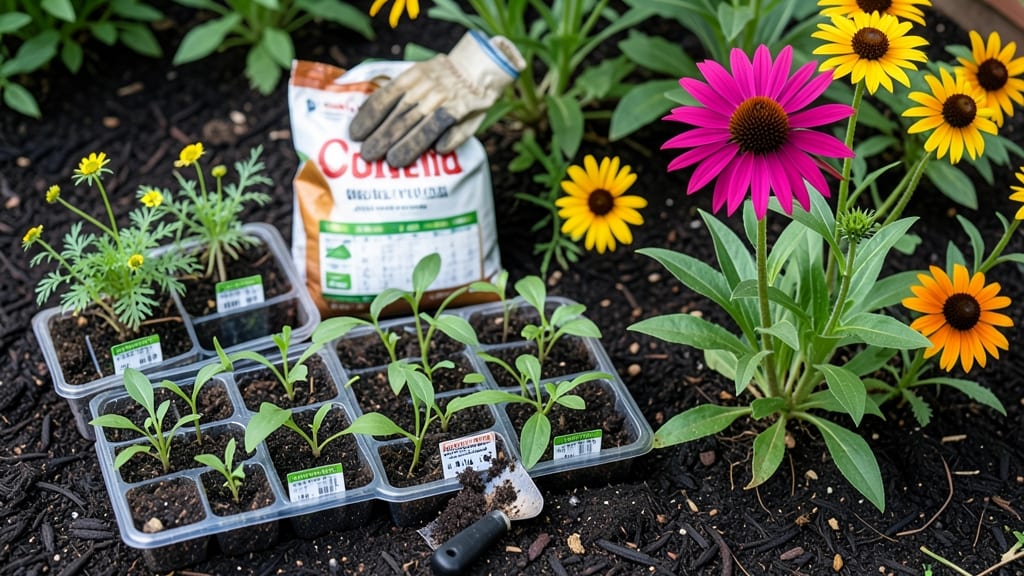
Planting your 🌸 flowers at the right time in Vermont isn’t just about following a calendar—it’s about beating frost, maximizing your growing season, and ensuring those vibrant blooms last from spring through fall.
With Vermont’s USDA zones 4b-6a and unpredictable frost dates, getting the timing wrong can mean the difference between a showstopping garden and a sad, wilted disappointment.
Most gardeners know the basics—wait for the last frost—but did you know that late April to mid-June is your prime window for annuals, while hardy perennials can go in as early as late March if you’re willing to take the risk?
And that’s just the beginning. Fall planting in August to early September gives many flowers a head start before winter, while bulbs have their own secret schedule to avoid frost damage.
I’ve spent years perfecting my Vermont planting routine, and what I’m about to share will help you avoid common mistakes like planting tender annuals too soon or missing the perfect moment for perennials.
Whether you’re a first-time gardener or a seasoned pro, these zone-specific tips will give your flowers the best possible start—and keep them blooming longer.
Let’s dive into the exact dates, varieties, and pro strategies you need to make every season your garden’s most colorful yet. Your Vermont dream garden starts here.
Vermont’s frost-free planting zones & their critical dates
Vermont’s USDA hardiness zones 4b-6a create distinct planting windows that can make or break your flower garden’s success. Northern Vermont (zones 4b-5a) has shorter frost-free seasons (120-140 days), while southern Vermont (zones 5b-6a) enjoys 140-160 frost-free days.
These differences dramatically impact when you can safely plant annuals vs perennials.
For annual flowers like marigolds and petunias, timing is critical—they need warm soil and consistent warmth to germinate. In Northern Vermont, wait until May 15-20 after the last frost, while Southern Vermont gardeners can start as early as May 1-10.
Perennials, however, benefit from earlier spring planting to establish roots before summer heat.
Here’s how Vermont’s three main regions break down for frost-free planting:
| Region | USDA Zone | Avg Last Frost | Frost-Free Days | Best Planting Window |
|---|---|---|---|---|
| Northern VT | 4b-5a | May 15-20 | 120-140 | Late May-June (annuals), April-May (perennials) |
| Central VT | 5b-6a | May 1-10 | 140-150 | Mid-April-June (annuals), March-April (perennials) |
| Southern VT | 6a | April 25-May 5 | 150-160 | Late April-June (annuals), March-April (perennials) |
Understanding these critical dates helps you avoid frost damage to tender annuals while giving perennials time to root deeply before summer’s heat. For example, black-eyed Susans (a hardy perennial) can handle early spring planting in zone 6a, while geraniums (tender annuals) must wait until after May 15 in zone 4b.
Don’t forget about fall planting! In Vermont, you can extend your flower season by planting cool-season annuals like pansies and snapdragons in late August to early September. These varieties thrive in cool fall temperatures and often bloom until first frost in October.
For container gardening, you have more flexibility—just move tender plants indoors when nighttime temps drop below 50°F. This strategy lets you grow heat-loving flowers like zinnias even in Northern Vermont’s shorter season.
Always check local frost records—Vermont’s climate varies yearly. Use frost-protective fabrics for late spring plantings if an unexpected frost is forecasted. A 5°F dip can devastate baby seedlings or newly transplanted perennials.
Pro tip: Plant cold-hardy annuals like sweet alyssum or lobelia in late April under row covers. These early bloomers will reward you with color before summer’s peak and can handle light frosts.
Finally, remember that microclimates matter—south-facing slopes warm up faster, while low-lying areas stay colder longer. Observe your specific garden’s patterns for 3+ years to refine your planting schedule.
Best flower varieties & their ideal Vermont planting months
Vermont’s short growing season demands precision when planting flowers. Annuals like petunias and marigolds need warm soil, while perennials such as coneflowers and black-eyed Susans can handle cooler spring temps. Timing ensures vibrant blooms from summer through fall.
Northern Vermont’s USDA Zone 4b has a later last frost date (around May 25), while Southern Vermont’s Zone 5b warms up by May 10. Adjust planting dates accordingly to avoid frost damage or missed bloom seasons.
For container gardens, use heat-retentive pots and plant tender annuals like geraniums after Memorial Day. Mulch heavily in fall to protect perennial roots from freeze-thaw cycles.
Vermont’s microclimates mean hilltops freeze earlier than valleys. Monitor local frost dates and use frost cloth for late spring plantings. With the right timing, your garden will burst with color from June through October!
🌱