
Plants
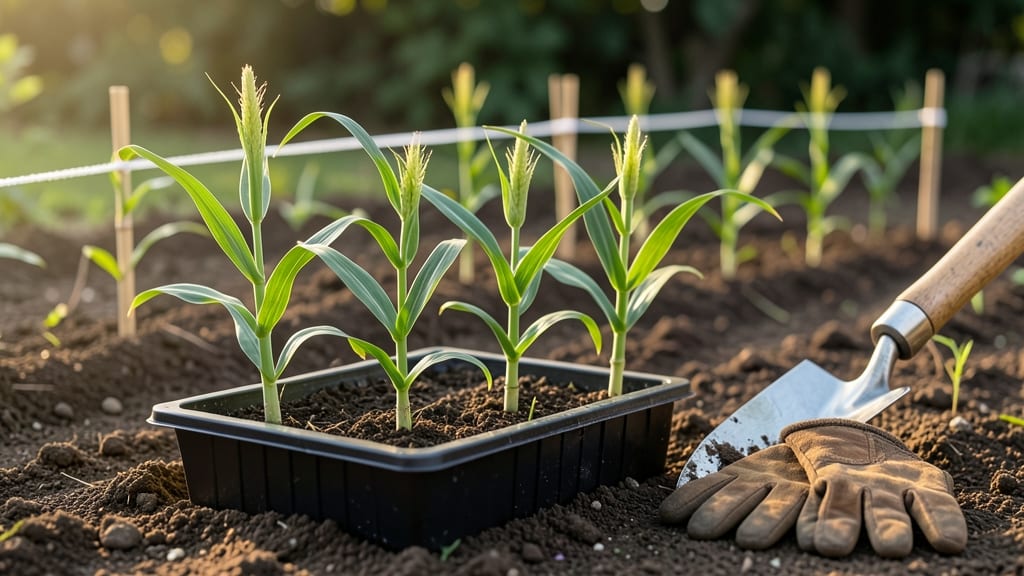
Planting corn in Iowa at the wrong time can mean the difference between a thriving field of 🌽 and a disappointing harvest. With frost dates shifting by county and soil temperatures playing a critical role, getting your timing right is the key to strong germination and peak yields.
I’ve seen firsthand how even a few days off can stress young plants, especially in USDA zones 5a-6b. Whether you’re in northern Iowa where frost lingers longer or southern counties with earlier warm-ups, knowing the exact window for planting—typically between April 15 and May 31—makes all the difference.
In this guide, I’ll break down the frost-free timeline by county, soil temperature thresholds, and how to adjust for early vs. late varieties. You’ll learn how to align your planting schedule with Iowa’s climate quirks for a bumper crop.
Let’s get your corn off to the best possible start—because once those seeds hit the ground, the clock is ticking.
Iowa's frost-free planting zones: when to plant corn by county
Corn thrives when planted at the right time, and Iowa's diverse climate means frost-free dates vary dramatically by county. Northern regions like Lyon or Osceola may have late May planting windows, while southern counties like Appanoose or Muscatine can start as early as mid-April.
Understanding these microclimates ensures your corn gets a strong start before summer heat sets in.
Iowa spans USDA Hardiness Zones 4a to 5b, which directly impacts frost dates. The average last frost date ranges from early April in the southeast to late May in the northwest. For corn, which needs warm soil (50°F+) to germinate, these dates become your planting calendar's foundation.
Here's a county-by-county breakdown of optimal corn planting windows based on historical frost data from the Iowa State University Extension. These windows account for both frost risk and soil warming trends:
| County Region | USDA Zone | Avg Last Frost | Planting Window | Soil Temp Goal |
|---|---|---|---|---|
| Northeast (e.g., Clayton, Allamakee) | 5a | April 20-25 | April 25-May 5 | 50°F+ |
| Northwest (e.g., Lyon, Osceola) | 4b | May 5-10 | May 15-25 | 55°F+ |
| Central (e.g., Polk, Story) | 5a | April 25-May 5 | May 1-15 | 50°F+ |
| Southwest (e.g., Crawford, Ida) | 5b | April 10-15 | April 20-May 1 | 50°F+ |
| Southeast (e.g., Appanoose, Muscatine) | 5b | April 5-10 | April 15-25 | 50°F+ |
Source: Iowa State University Extension (2023 frost data averages)
For northern Iowa counties like Lyon or Cerro Gordo, wait until after May 15 to plant corn. Cold soils can cause poor germination or seed rot. Use a soil thermometer to confirm temperatures reach 50°F+ at 2-inch depth before sowing.
Southern regions like Appanoose or Lee can plant as early as mid-April, but watch for late frost warnings from your local National Weather Service office. These areas benefit from earlier planting to maximize the growing season for full-season varieties.
Central Iowa counties such as Polk or Story offer a middle ground with planting windows from May 1-15. This flexibility lets you choose between early-maturing hybrids (90-day varieties) or full-season corn (120+ days) based on your harvest needs.
Always verify with your local extension office before planting, as microclimates can shift frost dates by weeks. For example, river valleys may warm faster than upland areas, creating localized planting opportunities.
Pro tip: Plant test rows two weeks apart in uncertain years to hedge against frost risks. This staggered approach ensures you'll have some corn ready to harvest regardless of late frosts.
Remember, corn needs consistent warmth to thrive. Planting too early in cold soils risks seedling disease, while waiting too long may shorten the growing season. Balance these factors with your local frost history for the best results.
5 Key factors that determine the best corn planting time in Iowa
While frost dates are the first thing most gardeners check, they’re only one piece of the puzzle when planting corn in Iowa. The real magic happens when you factor in soil temperature, moisture availability, pest activity, corn hybrid maturity, and even local microclimates.
Ignoring these can lead to stunted growth, poor pollination, or worse—total crop failure. Let’s break down what truly matters beyond the calendar.
For example, planting too early in northern Iowa (like Lyon County) when soils are still cold can delay germination by weeks, while southern Iowa (like Appanoose County) might face drought stress if seeds go in too late.
The key is balancing these factors to align with your corn’s growth cycle and Iowa’s unpredictable weather patterns.
- 🌡️ Soil Temperature: Wait until soils reach 50°F+ at 4" depth. Use a soil thermometer—cold soils slow germination and invite rot.
- 💧 Moisture Levels: Plant when 1-2 inches of rain is forecasted within 7 days. Drought stress at germination is fatal for corn.
- 🐛 Pest Activity: Avoid planting when cutworms or corn rootworms are most active (late April–early May in Iowa). Monitor traps locally.
- 🌽 Hybrid Maturity: Match days to maturity (e.g., 90-day vs. 120-day hybrids) to your frost-free window. Northern Iowa needs early varieties.
- 🌍 Microclimate: Adjust dates by 1-2 weeks for low-lying areas (cooler) or south-facing slopes (warmer). Urban heat islands can also shift timing.
Let’s start with soil temperature, the most overlooked factor. Corn seeds won’t germinate well below 50°F, and even if they do, weak seedlings are vulnerable to fungal diseases like Pythium. I’ve seen northern Iowa gardeners rush planting in April only to watch seeds rot in cold, wet soils.
A soil thermometer ($10 at garden centers) is your best friend here—check temperatures at 4-inch depth for accuracy.
Next, moisture levels can make or break your crop. Corn needs consistent moisture from planting to tasseling, but too much water early on can suffocate seeds. Aim to plant when 1-2 inches of rain is forecasted within a week.
In drought-prone areas like southwest Iowa, consider drip irrigation to supplement natural rainfall during critical growth stages.
Pest pressure is another silent threat. Corn rootworms and cutworms peak in late April–early May across Iowa, and planting during these windows can lead to devastating losses. Check with your local extension office for pest activity reports—some years, delaying planting by 10-14 days can save your entire crop.
Rotating planting dates or using Bt corn hybrids can also help mitigate risks.
Finally, hybrid maturity determines your planting window. A 90-day variety planted in late April in northern Iowa will mature just in time for harvest, while a 120-day variety might face frost damage.
Southern Iowa can push later plantings, but even there, late May is the cutoff for full-season hybrids. Always cross-reference your seed packet with Iowa State University’s planting calendar for your specific county.
By aligning these five factors—soil warmth, moisture, pest activity, hybrid type, and microclimate—you’ll fine-tune your planting date for maximum yields and minimal stress on your corn plants. And remember: flexibility is key. If Mother Nature throws a curveball, be ready to adjust! 🌱