
Plants
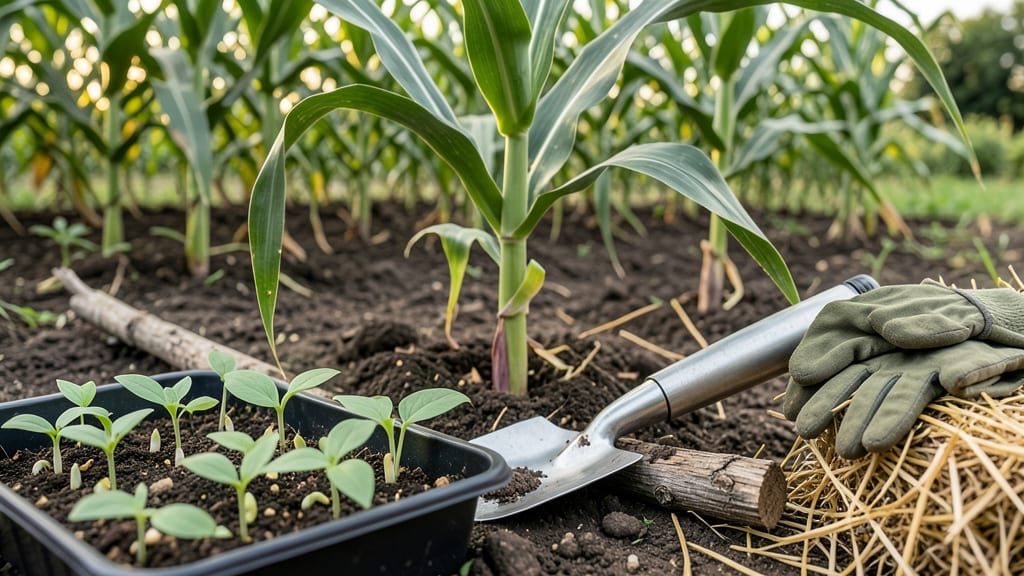
Planting corn in North Alabama at the wrong time can mean the difference between a bountiful harvest and a sad, frost-nipped failure.
The mid-April to early May window is your sweet spot, but timing isn't just about the calendar—it's about soil temperatures hitting 60°F and counting down from the last frost date.
In zone 7a, where I garden, late frosts can still sneak in through early May, turning tender 🌽 seedlings into crispy snacks. That's why I always check my local frost-free averages before sticking seeds in the ground.
A few weeks of patience now means plump ears in late summer instead of wilted disappointment.
But what if you miss that window? Don't panic—there are still ways to salvage your season. I'll show you how to adjust for your specific county, choose the right corn varieties, and even what to plant if the timing is truly off.
Let's make sure your corn gets the perfect start.
Whether you're a first-time gardener or a seasoned pro, these tips will help you avoid common mistakes and maximize your corn's potential. Ready to dig in and get those kernels growing?
North Alabama corn planting dates by county: frost-free deadlines
Planting corn in North Alabama requires precision timing to avoid frost damage and maximize yields. The last average frost dates vary by county, with soil temperatures needing to reach 50°F+ for germination. Below are the critical planting windows for your area, based on historical data and USDA Zone 7a-8a guidelines.
For the best results, wait until two weeks after your county's last frost date and ensure soil temperatures stay above 60°F for consistent germination. Late frosts in April can devastate young corn plants, so timing is everything.
Pro Tip: Use a soil thermometer to confirm readiness. Corn seeds won't sprout below 50°F, and slow growth below 60°F increases disease risk.
Huntsville gardeners in Madison County should plant between April 20-May 5 for the best results. The last frost typically occurs around April 5, but late frosts can linger into early April. Use row covers if planting early to protect seedlings.
For Jackson County, aim for April 25-May 10 to avoid frost damage. Soil temperatures in this region often warm slower due to higher elevation, so monitor soil thermometers closely. Late varieties like 'Silver Queen' can be planted in June for a fall harvest.
In Marshall County, plant between April 18-May 3 for optimal growth. The county's lower elevation means slightly earlier frost-free dates, but soil warming is critical. Consider black plastic mulch to raise soil temperatures faster.
Gardeners in DeKalb County have until May 7 for primary planting, with June 18 as a backup for late varieties. This county experiences warmer microclimates in urban areas, so adjust planting dates accordingly if you're in a city garden.
Always check local weather forecasts one week before planting. A sudden cold snap can push back your planting window by 10-14 days. For extra protection, use frost cloth or plant near heat-retaining structures like brick walls.
Remember: Corn needs 60-90 days to mature, so calculate your harvest timeline from your planting date. Early varieties like 'Amb
How to adjust corn planting for North Alabama’s microclimates
North Alabama’s diverse geography—from Huntsville’s high-elevation valleys to Decatur’s urban heat islands—means your corn’s success depends on localized adjustments. The same planting date that works in Madison County might fail in Marshall County due to microclimate variations like elevation, urban heat, and soil drainage.
I’ve grown corn across these regions and learned which tweaks make all the difference.
For urban gardens (like those in Huntsville or Decatur), pavement and buildings create heat pockets that can push soil temps up faster. Meanwhile, high-elevation areas (like Monte Sano) often stay cooler longer, delaying planting by 1-2 weeks.
Organic growers also need different strategies than conventional methods—like compost tea instead of synthetic fertilizers—to ensure reliability.
Here’s how to adapt your corn planting for North Alabama’s unique growing conditions:
- 📍 Urban Areas (Huntsville/Decatur): Plant 3-5 days earlier than rural zones—soil warms faster due to urban heat islands. Use black plastic mulch to raise soil temps by 5-10°F.
- 🏔️ High Elevation (Monte Sano/Huntsville hills): Delay planting by 1-2 weeks—soil stays cold longer. Test soil temp with a soil thermometer (wait until 60°F+ consistently).
- 🌱 Organic Methods: Use compost tea or fish emulsion 2 weeks before planting to boost soil microbes. Avoid synthetic fertilizers to prevent soil burnout.
- 🛡️ Row Covers: For late frosts (common in Jackson County), use floating row covers until plants reach 6 inches. Remove during pollination to avoid cross-pollination issues.
- 🌡️ Soil Warming: In cool microclimates, lay down clear plastic mulch 2 weeks before planting. This can add 10-15°F to soil temp, speeding up germination.
- 🌱 Seed Depth: Plant seeds 1 inch deep in warm soil (70°F+) but 1.5 inches deep in cooler areas (50-60°F). Deeper planting prevents frost heave in fluctuating temps.
- 🌿 Succession Planting: In longer frost-free zones (like Madison County), stagger plantings every 2 weeks for continuous harvests. Use fast-maturing varieties like ‘Silver Queen’ (60 days).
If you’re growing in containers or raised beds, heat up the soil faster by adding compost or aged manure before planting. Containers also dry out quicker, so water deeply every morning to prevent stress.
For conventional growers, a balanced 10-10-10 fertilizer at planting and again at tasseling ensures strong stalks, while organic growers should focus on worm castings for steady nutrition.
One mistake I see often is ignoring wind exposure. Corn needs pollination protection—plant near windbreaks if your garden is exposed. In open fields (like those in Jackson County), consider corn varieties with strong stalks, like ‘Peaches and Cream,’ to resist lodging from summer storms.
For reliability in North Alabama’s variable climate, I recommend keeping a planting journal to track soil temps, frost dates, and yield results. Over time, you’ll spot patterns—like how Decatur’s urban heat lets me plant corn by April 1st, while Huntsville’s hills often need to wait until mid-April.
Adjusting for these microclimates turns a gamble into a predictable harvest. 🌱