
Plants
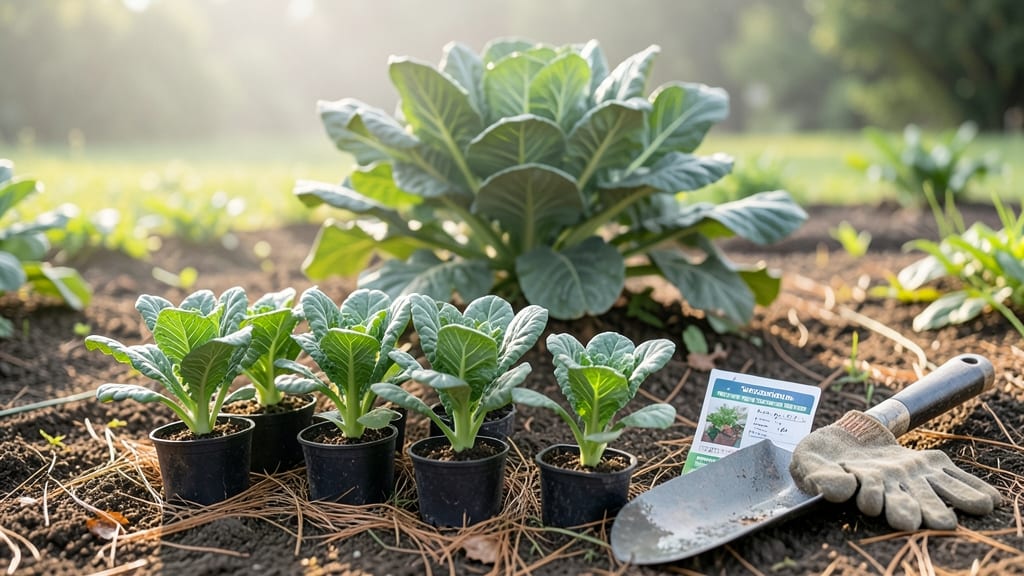
Planting collards 🥬 in South Carolina at the wrong time means either freezing out your seedlings or watching them bolt in the summer heat—neither of which ends with a harvest.
The key to fast, flavorful greens lies in understanding exactly when to put those seeds in the ground, and it’s not just about frost dates.
Here’s the reality: South Carolina’s USDA zones 7b-8a give you two prime windows—late winter and early fall—but getting it wrong can mean wasted effort. Too early, and your plants may struggle with cold soil; too late, and summer’s heat will turn your tender greens bitter.
I’ve tested the timing myself, and the difference between a thriving collard patch and a failed experiment comes down to three critical factors most gardeners overlook.
You’ll learn how to align your planting with South Carolina’s microclimates, from coastal Charleston’s milder winters to Piedmont’s slightly cooler nights.
We’ll also cover the best soil temperatures for germination and how to stretch your harvest by planting in succession—because the right timing isn’t just about when you plant, but how you keep your collards producing all season.
Ready to grow collards that thrive? Let’s break down the science—and the shortcuts—so you can enjoy those sweet, dark leaves from spring through fall without the guesswork.
South Carolina’s collard planting windows: frost dates and microclimate zones
South Carolina’s USDA Zones 7b-8a offer two perfect windows for growing collards—spring and fall—each with unique frost considerations. The coastal Lowcountry (like Charleston) enjoys milder winters, while the Piedmont (Greenville, Columbia) faces earlier frosts. Understanding these microclimates helps you avoid frost damage or heat stress in your collard patch.
For spring planting, aim for late February to early March in Zone 8a (coastal areas) and early March in Zone 7b (Piedmont). Fall planting spans August to early September, with coastal areas benefiting from a 2-3 week extension due to warmer ocean-influenced temperatures.
Missing these windows risks bolting (premature flowering) in heat or winterkill from frost.
Last frost dates vary dramatically across SC:
- Charleston (Zone 8a): Mid-March (avg. last frost)
- Columbia (Zone 7b-8a): Early March
- Greenville (Zone 7b): Late February
Here’s your microclimate adjustment guide for collards:
| Region | USDA Zone | Spring Planting Window | Fall Planting Window | Key Adjustment |
|---|---|---|---|---|
| Coastal Lowcountry (Charleston) | 8a | Late Feb–Early Mar | Late Aug–Early Sep | Plant 2 weeks later than Piedmont; use row covers for winter protection. |
| Piedmont (Columbia, Greenville) | 7b | Early Mar | Mid-Aug–Late Aug | Prioritize soil warmth (50°F+) before planting; mulch heavily in winter. |
| Upstate (Spartanburg) | 7b | Mid-Mar | Early Aug | Start indoors 8 weeks early or use black plastic mulch to warm soil. |
Early planting (before mid-February) risks slow growth and pest pressure from aphids and flea beetles. Late spring plantings (after April) may bolt quickly as days lengthen.
For fall, August sowings give the best harvest before frost, while September plantings stretch into winter but need row covers.
Use a frost-date calculator like Clemson’s SC Weather and Climate tool to input your exact ZIP code. For example, Beaufort (Zone 8a) might have 3 weeks later frost dates than Anderson (Zone 7b). Pro tip: Bookmark the National Weather Service’s Point Forecast for real-time adjustments.
Elevation matters too—Piedmont gardens 1,000+ feet high (like Caesar’s Head State Park) experience 5°F colder nights than valley floors. If you’re unsure, plant a test row 2 weeks early and monitor for frost damage (blackened leaves, mushy stems).
Hardy varieties like ‘Georgia Southern’ tolerate 20°F, while ‘Vates’ bolts faster in heat.
For coastal gardeners, leverage the Atlantic breeze to delay frost. Plant near sandy loam soil (common in Charleston) to improve drainage and warm up faster in spring. In the Piedmont, amend clay-heavy soil with compost to prevent waterlogging during winter rains.
Remember: Collards thrive in 50–65°F soil. Use a soil thermometer to confirm readiness—below 50°F delays germination, while above 70°F triggers bolting. For fall plantings, aim for 60–70°F soil to balance growth and frost resilience.
Pro tip: Succession plant every 2 weeks in fall to extend harvests. Start with direct-sown seeds in August, then transplant seedlings in September for a staggered crop. This ensures continuous harvests from October through December.
3 Critical factors that determine your exact planting time (beyond frost dates)
Frost dates are just the starting point—soil temperature, day length sensitivity, and succession planting are the real game-changers for SC collards. Even if your last frost is March 15, planting too early when soil is still below 50°F can stunt growth.
My heat-tolerant 'Top Bunch' variety, for example, bolts at 80°F soil temps, while cold-hardy 'Georgia Southern' thrives in 40°F+ conditions.
Day length matters too: collards grown under longer daylight hours (summer) produce tougher leaves, while shorter days (fall/winter) yield sweeter, more tender greens. This is why my fall plantings in September always outperform spring ones—cooler temps and shrinking daylight keep them productive until frost.
Here’s the key: soil temperature (measured at 4" depth) should hit 50-65°F for direct sowing. Use a soil thermometer—don’t guess! Transplants can handle 45°F+ soil, but younger seedlings need that 50°F minimum to avoid damping-off disease.
Direct-Sowing vs. Transplanting for SC Collards
- Pros: Hardier seedlings, no transplant shock
- Cons: Slower initial growth, harder to thin
- Pros: Faster harvest, easier spacing control
- Cons: Transplant shock risk, needs hardening-off
| Method | Heat-Tolerant Variety | Cold-Hardy Variety |
|---|---|---|
| Direct Sow | Late August | Early September |
| Transplant | Early September | Mid-September |
For succession planting, I stagger my collards every 2-3 weeks from August through October. This ensures a continuous harvest—my first planting bolts by October, but the last one keeps producing until December’s first frost. Pro tip: Use black plastic mulch to warm soil faster for early plantings.
Don’t overlook microclimate adjustments: Coastal areas like Charleston can plant 2 weeks earlier than Piedmont regions (Greenville). Test your soil’s warming rate by checking temps weekly—if it hits 50°F by late February, you’re ready for spring plantings.
Remember: Day-neutral collards (like 'Vates') ignore daylight changes, while short-day types (like 'Blue Max') need 12-hour days to bolt. Match your variety to your season for maximum yield.