
Plants
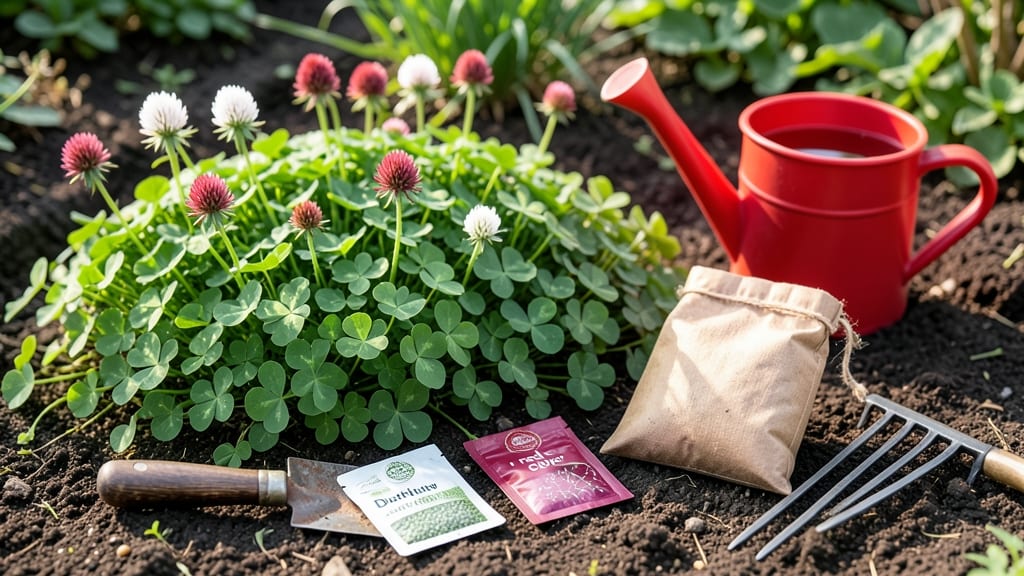
Planting clover in Washington State at the wrong time can mean the difference between a thriving, nitrogen-rich lawn and a patchy, struggling cover crop. With USDA zones ranging from 6b to 9a, timing varies dramatically—Western WA’s mild winters allow earlier planting, while Eastern WA’s colder springs demand patience.
I’ve seen firsthand how a 30-day head start in soil prep can mean faster germination, but rushing it risks frost damage or summer stress. Whether you’re in the Puget Sound or the Columbia Basin, getting the timing right ensures your clover establishes quickly and stays resilient through Washington’s unpredictable weather.
In this guide, I’ll break down the exact months to plant for your microclimate, how to read soil temperatures like a pro, and which clover varieties thrive where. No more guesswork—just lush, fast-growing ground cover tailored to your corner of the Evergreen State.
Ready to transform your soil? Let’s dive into the fastest, most reliable planting schedule for Washington’s diverse climates.
Best planting months for clover in Washington’s microclimates
Washington State’s diverse microclimates mean your clover planting timeline should align with your specific region. In the Puget Sound area, mild winters and wet springs create ideal conditions for early planting, while the Columbia Basin demands later starts to avoid extreme heat.
Understanding these differences ensures your clover thrives, not just survives.
Clover seeds germinate best when soil temperatures reach 50–65°F. In Western Washington, this typically happens by early March, while Eastern Washington may need to wait until late April. Fall planting offers a second chance, but timing is critical to avoid winter frost damage.
Here’s how to match your region’s climate to the perfect planting window:
Spring planting offers the fastest germination, but fall planting can be just as effective if done 4–6 weeks before the first frost. In Puget Sound, aim for September to give roots time to establish before winter. Meanwhile, Eastern Washington gardeners should plant by August to avoid early frosts.
For fastest establishment, prioritize early spring in all regions. Clover seeds need consistent moisture to germinate, so plan your planting after the last frost and before summer droughts set in. In Western WA, this means March–April, while Eastern WA should wait until May.
Soil temperature is your best guide. Use a soil thermometer to confirm conditions are right—50–65°F is ideal. If temperatures drop below 45°F, germination slows dramatically, and seedlings may fail. In cooler microclimates, like the Cascade foothills, delay planting until late April to avoid frost risks.
Another key factor is rainfall patterns. The Puget Sound gets ample spring rain, reducing irrigation needs, while Eastern WA may require supplemental watering. Always plant when 1–2 inches of rain is forecasted in the next week to support seedling growth.
If you miss the spring window, don’t despair—fall planting is a great alternative. The tradeoff? Slower growth in cooler months, but established clover will bounce back in spring. In Western WA, September is ideal, while Eastern WA should aim for August to maximize root development before winter.
Pro tip: Mix clover seeds with rye or vetch for a living mulch that suppresses weeds while improving soil. This combo thrives in Washington’s USDA zones 6b–9a, offering year-round ground cover and nitrogen fixation.
How soil temperature and rainfall affect clover germination timing
Clover thrives when planted in soil temperatures between 50–65°F, but Washington’s unpredictable weather complicates timing. Western WA’s spring showers can delay planting, while Eastern WA’s droughts may require early sowing.
Use a soil thermometer to confirm readiness—germination slows below 50°F and stalls above 70°F. Adjust your schedule based on local forecasts to avoid stressing seedlings.
Rainfall plays a critical role: 1 inch of water per week is ideal for germination, but too much can drown seeds. In Puget Sound’s wet springs, plant after heavy rains subside; in Columbia Basin’s dry summers, use irrigation to maintain moisture.
Check the 7-day forecast before planting—consistent rain means waiting, while dry spells may require pre-watering the soil.
For Western WA gardeners, prioritize planting in early April when soil warms to 55°F and rainfall tapers. In Eastern WA, aim for late March to avoid summer drought stress. Use a weather app to track soil moisture levels—clover seeds need consistent contact with damp soil to sprout.
If your area faces unpredictable showers, consider a light mulch to retain moisture.
Adjust your planting date if unseasonable heat arrives early. Clover seeds can dry out in 75°F+ soil, so delay until temperatures drop below 70°F. In drought-prone zones, pre-soak seeds for 12 hours before sowing to jumpstart germination.
Monitor seedlings closely—they’ll wilt if soil dries out, but overwatering can rot roots in heavy clay soils common in Western WA’s valleys.
Pro tip: Plant clover in fall (September–October) for a head start—cooler temps reduce weed competition, and established roots handle winter better. Use a soil thermometer to confirm 50–60°F readings before sowing.
Pair this with a rainfall forecast to ensure consistent moisture for the first 2 weeks of growth. This dual approach maximizes success in Washington’s variable climate.
Remember, clover’s nitrogen-fixing benefits kick in faster when planted at the right time. By aligning soil temperature, rainfall patterns, and local frost dates, you’ll set your clover up for rapid, resilient growth—no matter where you garden in Washington. 🌱💧☀️