
Plants
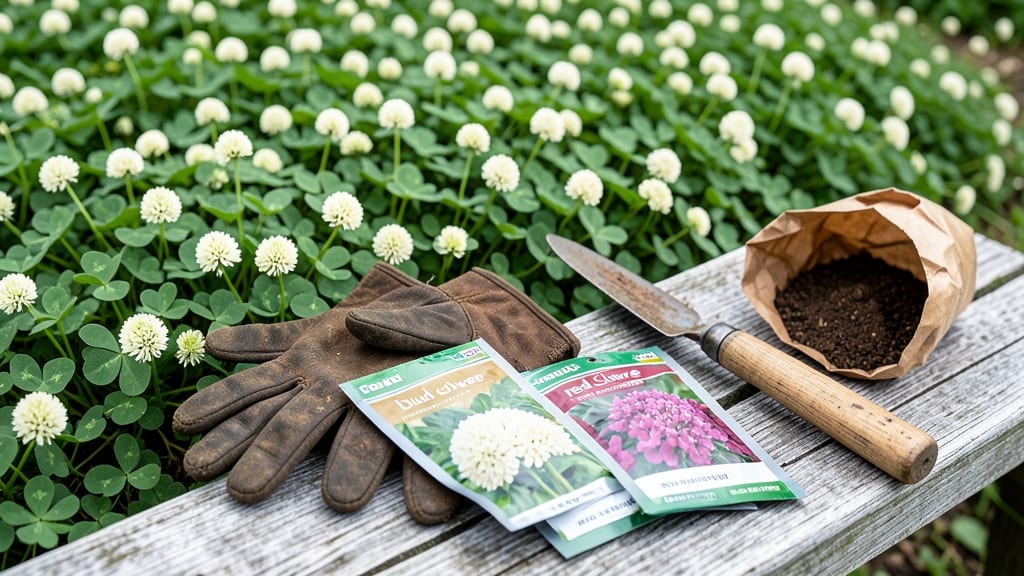
Planting clover at the wrong time in Indiana can mean wasted seeds or stunted growth—so knowing the perfect window makes all the difference. Whether you're growing it for pollinators, soil health, or forage, timing depends on your hardiness zone, soil temperature, and whether you're planting in spring or fall.
In Indiana’s 6a zone, the ideal planting months are early spring (March–April) or early fall (September–October). This aligns with soil temperatures reaching 50–60°F, giving your 🌱 clover the best chance to establish before summer heat or winter frost sets in.
Spring planting lets you take advantage of warm days ahead, while fall planting gives roots time to settle before winter. Both strategies work—but only if you avoid planting too early or too late, when frost or extreme heat can throw off your plans.
Ready to get started? I’ll walk you through the exact frost-free dates, soil prep tips, and variety choices that work best for Indiana’s climate—so you can plant with confidence and watch your clover thrive.
Indiana clover planting calendar by hardiness zone (soil temp & frost dates)
Indiana’s 5 USDA hardiness zones (5a-6b) create unique planting windows for clover, where soil temperature and frost dates dictate success.
Most varieties thrive when soil reaches 50-60°F, but timing shifts north-to-south across the state. Spring planting (March-April) is ideal for cool-season clovers like Dutch white, while fall planting (September-October) works for hardier types like alsike.
Northern Indiana (zones 5a-5b) faces earlier frosts (last frost: April 15), while southern Indiana (zones 6a-6b) enjoys longer growing seasons (last frost: April 1). Always check your local frost-free window—planting too early risks frost damage, while waiting too long may delay establishment.
Here’s your zone-specific planting calendar, including soil temp thresholds and frost dates to maximize clover growth for forage, erosion control, or pollinator support.
| Zone | Last Frost Date | First Frost Date | Spring Planting Window | Fall Planting Window | Soil Temp Threshold | Best Varieties |
|---|---|---|---|---|---|---|
| 5a (Northern IN) | April 15 | October 20 | April 1–May 15 | September 1–15 | 50–55°F | Dutch white, alsike |
| 5b (Northeast IN) | April 1 | October 15 | March 20–April 30 | August 30–September 30 | 50–60°F | Red clover, crimson |
| 6a (Central IN) | March 25 | October 10 | March 1–April 15 | September 1–20 | 55–60°F | All varieties |
| 6b (Southern IN) | March 15 | October 5 | February 28–April 1 | August 20–September 15 | 55–65°F | Crimson, alsike |
For spring planting, aim to sow seeds 2–4 weeks before your last frost date when soil temps hit 50°F.
In zone 5a, this means waiting until early April, while zone 6b gardeners can start as early as late February. Fall planting should occur 6–8 weeks before first frost—ideal for establishing roots before winter.
Dutch white clover thrives in cooler zones (5a-5b) and handles light frosts, while red clover prefers zones 6a-6b with warmer springs. Alsike clover is a great fall option across all zones due to its cold tolerance. Always test soil pH (ideal: 6.0–7.0) before planting—clover struggles in acidic soils.
Use a soil thermometer to verify temps—clover seeds won’t germinate below 50°F. If spring arrives late, consider fall planting for a head start. Mulch lightly after sowing to retain moisture and protect young seedlings from temperature swings.
Indiana’s unpredictable weather means flexibility is key. Monitor local forecasts and adjust planting dates accordingly. For livestock forage, prioritize red or alsike clover in southern zones, while Dutch white excels in northern lawns for erosion control and pollinator support.
Pro tip: Plant clover in early spring for a summer bloom or early fall for spring growth. Avoid summer planting—heat stress reduces germination rates. With the right timing, your clover will establish quickly and provide year-round ground cover.
🌱
How to choose the right clover variety for Indiana’s climate
Indiana’s climate offers a perfect balance for growing clover, but not all varieties thrive equally. Cool-season clovers like Dutch white and red clover dominate spring planting, while warm-season varieties such as crimson clover shine in summer.
Your choice depends on whether you prioritize early spring forage, drought tolerance, or pollinator support.
The key to success lies in matching the clover type to Indiana’s microclimates. Northern Indiana’s cooler springs favor white clover, while southern regions can handle alsike clover’s heat tolerance. Even within the same zone, soil moisture and sun exposure play critical roles in variety performance.
Cool-Season Clover (Spring Planting)
- Fast spring germination (50-60°F soil)
- High protein content for livestock
- Excellent soil erosion control
- Struggles in summer heat (dormant by July)
- Requires consistent moisture
- Short lifespan (1-2 years)
Warm-Season Clover (Summer/Fall Planting)
- Drought-resistant once established
- Longer growing season (blooms summer-fall)
- Supports pollinators (bees love crimson)
- Slower spring germination (wait for 60°F+)
- Less palatable for livestock
- Needs well-drained soil
For livestock forage, Dutch white clover is my top recommendation—it establishes quickly in spring and handles Indiana’s humid summers better than red clover. Plant seeds ¼-inch deep when soil reaches 50°F, typically March–April in most of Indiana.
If you’re targeting pollinator support, crimson clover is unbeatable. Its bright red flowers attract bees and butterflies while adding color to late summer gardens. Sow seeds ½-inch deep in late summer (August) for fall establishment, giving it time to root before winter.
Soil preferences vary dramatically: Alsike clover thrives in moist, acidic soils (pH 6.0-6.5), making it ideal for Indiana’s northern wetlands, while white clover adapts to drier, neutral soils (pH 6.0-7.0). Test your soil before planting—Indiana’s limestone bedrock often raises pH, requiring sulfur amendments for alsike.
Remember: Fall planting (September–October) works best for cool-season varieties in southern Indiana (Zone 6b), where winters are milder. Give seeds 4–6 weeks to establish before first frost—aim for soil temps above 50°F.