
Plants
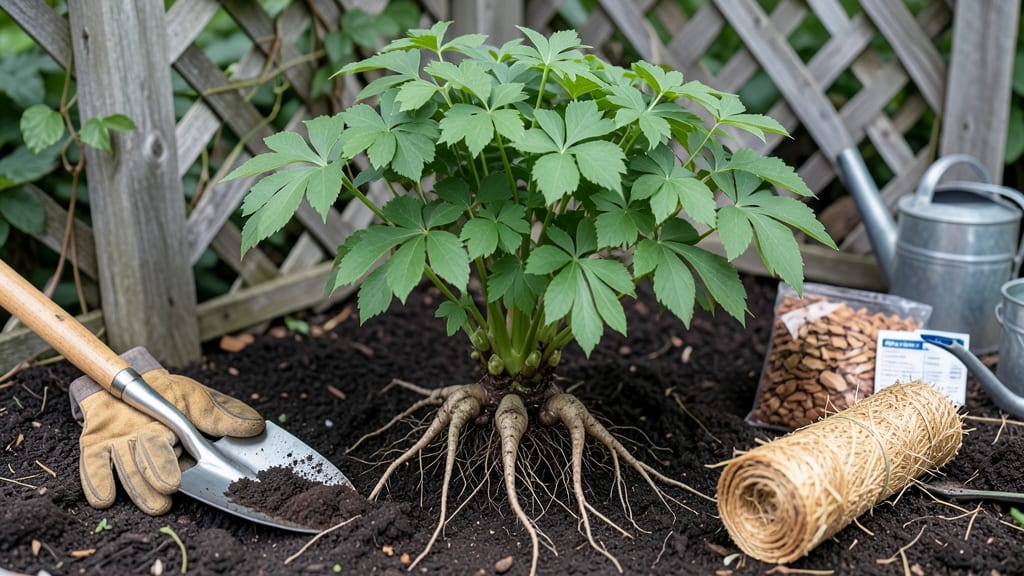
Timing is everything when it comes to planting clematis in Colorado—get it right, and you’ll reward yourself with vibrant blooms for years; get it wrong, and your vines might struggle to take root before the first frost.
With Colorado’s USDA Zones 5-7 and unpredictable weather, knowing the best months to plant your 🌸 clematis can make all the difference.
Most gardeners in Colorado swear by early spring or early fall planting, but the exact window depends on your elevation and microclimate. Whether you’re in the Front Range or the Western Slope, understanding your local frost dates and soil conditions is key to giving your clematis the best possible start.
In this guide, I’ll break down the ideal planting months for your zone, share soil prep tips tailored to Colorado’s unique growing conditions, and help you decide whether spring or fall planting is the better choice for your garden. Let’s get those vines thriving!
From choosing the right time to preparing your soil, you’ll learn everything you need to ensure your clematis grows strong and flourishes in Colorado’s climate. Ready to plant with confidence?
Best planting months for clematis in Colorado by USDA Zone
Colorado’s USDA Zones 4-7 create a complex puzzle for clematis gardeners. The Front Range (Denver, Boulder) and Western Slope (Grand Junction, Durango) experience wildly different frost patterns, making timing critical. In Zone 4, early spring or late summer planting is essential, while Zone 7 gardeners have more flexibility.
Let’s break down the best windows for each zone to ensure your clematis thrives.
For Zone 4 (e.g., Fort Collins, Steamboat Springs), the last frost typically arrives between May 10-20, but soil may not warm enough for planting until late May or early June.
Fall planting is riskier due to early snow, but mid-September can work if temperatures stay above 50°F for 4-6 weeks. In Zone 5 (Colorado Springs, Salida), you’ve got a slightly wider window: April 15-May 15 for spring or September 1-15 for fall.
Here’s your color-coded planting guide for Colorado’s zones, including soil temperature thresholds and frost-free periods to maximize success:
If you’re planting in Zone 6 or 7 (like Denver or Grand Junction), early spring is ideal because soil warms faster at lower elevations. Aim for March-April when daytime highs consistently reach 55°F.
For Zone 4-5, wait until after the last frost date—typically May 10-20—and ensure nighttime temps stay above 45°F for 2 weeks.
For fall planting, the goal is to give roots time to establish before winter dormancy. In Zone 6-7, you can plant as late as October 15, but in Zone 4-5, stick to September 1-15.
Use a soil thermometer to confirm temps are 50°F+—cold soil stresses young roots. In Zone 7’s Western Slope, fall planting is often better due to milder winters and longer growing seasons.
Don’t overlook microclimates like urban heat islands (Denver) or high-altitude pockets (Eagle County). A south-facing wall can extend your planting window by 2-4 weeks in spring or delay frost in fall.
For early bloomers (like Clematis montana), plant in late winter (Zone 6-7) to capitalize on spring blooms. Late bloomers (e.g., Clematis viticella) tolerate fall planting better.
Pro tip: Hardiness matters. Varieties like ‘Jackmanii’ (Zone 4) handle colder temps, while ‘Nelly Moser’ (Zone 6+) thrives in warmer zones. Always check the USDA hardiness zone of your clematis before planting. If you’re unsure, spring planting is the safest bet for Zone 4-5 gardeners.
After planting, mulch heavily (4-6 inches) to insulate roots in winter. In Zone 4-5, add an extra layer of straw or leaves by November 1 to prevent freeze-thaw cycles from damaging roots. For Zone 6-7, a light mulch (2-3 inches) suffices unless you expect early frost.
Remember: Clematis roots need time
Signs your Colorado soil is ready for clematis planting (and how to fix it)
Clematis thrives in Colorado’s well-draining, slightly acidic soil with consistent moisture. However, our state’s alkaline soils and clay-heavy areas often need adjustments. Before planting, check for these key signs your soil is ready—or how to fix what’s missing.
First, dig a small hole and check the soil temperature. Clematis roots need at least 60°F to establish. Use a soil thermometer—if it’s cooler, wait until late spring. In high-altitude areas like Denver or Boulder, this could mean delaying until mid-May.
Next, assess moisture levels. Press the soil—if it crumbles easily, it’s too dry. Clematis prefers moist but not soggy conditions. In Colorado’s arid climates, amend with organic compost or peat moss to retain water without compacting.
⚠️ WARNING: DON’T PLANT IN COLD OR WET SOIL ⚠️
Colorado’s spring thaw can leave soil too cold or waterlogged. If your soil feels chilly to the touch or holds water like a sponge, delay planting. Clematis roots won’t establish below 50°F. Wait until soil warms to 60°F+—typically late April to early June in most zones.
Fix it: Test soil with a thermometer. If too cold, mulch with straw or leaves to insulate and speed warming. Avoid planting in low-lying areas where frost lingers.
Test your soil pH—Colorado’s alkaline soils often register 7.5-8.5, but clematis prefers 6.5-7.0. Use a home pH kit or send a sample to your local Cooperative Extension. If pH is high, mix in sulfur or pine needles to lower it gradually.
For clay-heavy soils, improve drainage by adding coarse sand or perlite. Work in 3-4 inches of compost and 1 inch of sand per square foot.
In sandy soils, blend in peat moss or coconut coir to retain moisture. Always mulch heavily with wood chips or straw to protect roots.
Finally, observe local wildlife. If earthworms and beneficial insects are active, your soil is likely balanced. If not, your soil may need more organic matter. Plant your clematis when you’ve addressed these issues—your vines will reward you with vibrant blooms all season.