
Plants
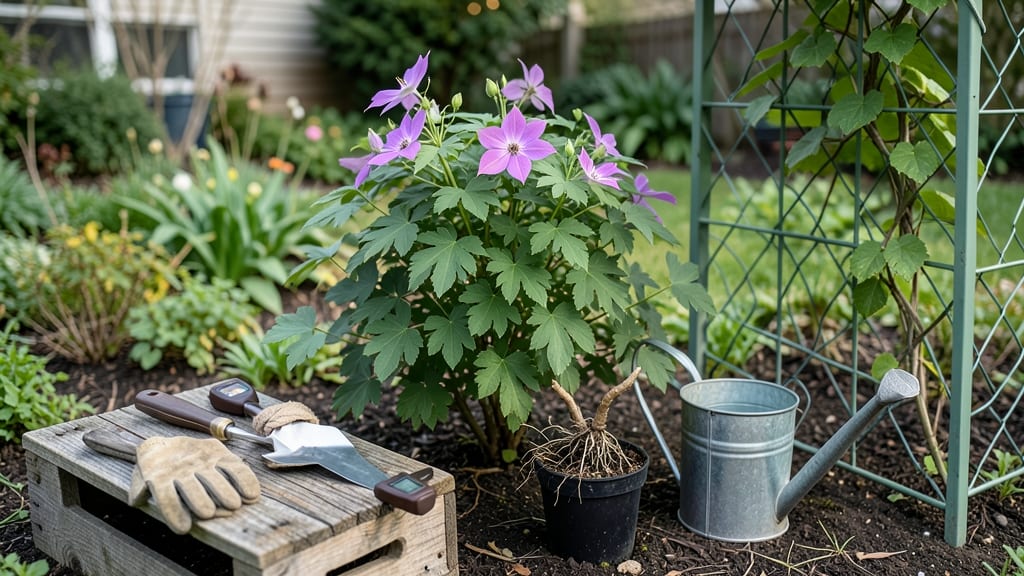
Planting your clematis 🌸 at the wrong time in Michigan’s 5b-6b zone could mean the difference between a lush, flowering vine and a sad, struggling plant—so getting the timing right is everything.
Michigan’s unpredictable spring frosts and late-summer heat make clematis care a bit tricky, but with the right strategy, you can set your vines up for success.
Whether you’re planting bare-root starts or container-grown plants, knowing when to get them in the ground is the first step to stunning blooms from June to September.
I’ve tested both spring and fall planting in Michigan’s climate, and the results speak for themselves. The key is understanding your local frost dates and soil conditions—because even a few weeks off can throw off your entire growing season.
Let’s break down the best planting windows, soil prep tips, and how to protect your clematis from Michigan’s unexpected temperature swings—so you can enjoy those vibrant flowers without the guesswork.
Michigan’s USDA Zones 5-6: best planting months for clematis success
Michigan’s USDA Zones 5-6 offer a unique challenge for clematis growers due to late spring frosts and early fall chills. Unlike warmer climates, timing your clematis planting correctly ensures strong root establishment before winter dormancy.
The optimal planting window is either late April to early May (spring) or September to early October (fall), but Michigan’s variable frost dates demand careful planning.
Clematis thrive when planted during cooler soil temperatures, which help roots establish before summer heat arrives. In Zone 5b (northern Michigan), aim for after May 15 to avoid frost damage, while Zone 6b (southern Michigan) can accommodate earlier spring planting.
Fall planting is riskier but possible if done 6-8 weeks before first frost—typically by October 1 in most regions.
Michigan’s climate variability makes bare-root clematis the preferred choice for spring planting, as they’re dormant and hardy when roots need to establish. Plant them 2-4 inches deep with the crown slightly below soil level to protect against frost heave.
For containerized plants, early spring or late fall works, but avoid extreme heat or cold—both stress the roots.
In Zone 6b, where summers are warmer, early May planting gives clematis a head start before July heat stress. Meanwhile, Zone 5b gardeners should wait until after May 15 to ensure frost-free root growth.
Use a soil thermometer to confirm temperatures are above 50°F before planting—this prevents root rot from cold, soggy soil.
Fall planting in Michigan is riskier but rewarding if done correctly. Aim for September 15-October 1, allowing 6-8 weeks for roots to establish before first frost.
Mulch heavily with straw or wood chips to insulate roots, and water deeply before ground freezes. Evergreen clematis varieties (like ‘Etoile Violet’) tolerate fall planting better than deciduous types.
Michigan’s microclimates also play a role—southern regions (e.g., Detroit) can push spring planting to early April, while northern areas (e.g., Traverse City) should delay until late May.
Check your local frost dates (via Michigan State University’s gardening resources) and adjust accordingly. Urban heat islands in cities may also extend the growing season by 1-2 weeks.
For early blooming varieties like ‘Jackmanii’, plant in late April to ensure full summer flowering. Late-season varieties (e.g., ‘Niobe’) can handle early May planting and still produce fall blooms.
Always pair your clematis with a strong trellis or arbor—Michigan’s winter winds can snap weak stems if not supported.
After planting, water deeply weekly for the first 4-6 weeks to encourage root spread. In Zone 5b, add a thick mulch layer (4-6 inches) to protect roots from freeze-thaw cycles. Avoid fertilizing until new growth appears in spring—clematis need balanced nutrients (5-10-10) but can’t handle winter feeding.
Timing your clematis planting in Michigan isn’t just about months—it’s about soil temperature, frost risk, and variety hardiness. By following these zone-specific guidelines, you’ll give your vines the best chance to thrive through Michigan’s unpredictable seasons and reward you with stunning summer blooms
Spring vs. fall planting: which works better in Michigan’s climate?
Michigan’s unpredictable frost dates and cool summers make choosing the right planting season for clematis critical. While both spring and fall offer advantages, understanding soil temperatures and frost risks will help you decide what works best for your garden.
In my experience, fall planting often gives clematis a head start, but spring planting offers more control in Michigan’s variable climate.
For spring planting, aim for late April to early May after the last frost date—typically around April 15 in most of Michigan. This timing ensures the soil is at least 50°F and warming consistently.
Spring planting gives you more flexibility to adjust watering and mulching as needed, but it also means dealing with competition from weeds and potential early-season droughts.
Spring Planting vs. Fall Planting for Clematis in Michigan
Spring Planting
- Pros: More control over soil prep
- Pros: Easier to monitor watering
- Pros: Avoids fall frost risks
- Cons: Slower root establishment
- Cons: Higher weed competition
- Cons: Risk of early drought
Fall Planting
- Pros: Faster root growth before winter
- Pros: Less weed pressure
- Pros: Established roots handle spring growth
- Cons: Risk of early frost damage
- Cons: Harder to adjust watering
- Cons: Soil may be too cold for roots
If you choose fall planting, plant clematis between mid-September and early October—at least 6 weeks before the first frost, which typically hits around October 15.
This timing allows roots to establish before winter dormancy. Mulch heavily (3-4 inches) with straw or shredded leaves to insulate roots from freeze-thaw cycles, which can damage tender new growth.
For both seasons, soil temperature is key. Use a soil thermometer to confirm it’s at least 50°F for spring or above 40°F for fall. In Michigan’s USDA Zones 5-6, cooler soils can stunt root growth, so amending with compost or aged manure helps warm the soil faster.
I always test my soil’s drainage first—clematis hates soggy roots!
Watering schedules differ drastically between seasons. In spring, water deeply once a week to encourage root spread, while in fall, reduce watering to every 10-14 days as the plant prepares for dormancy.
Always water at the base of the plant (not overhead) to prevent fungal diseases like powdery mildew, which thrives in Michigan’s humid summers.
Protect young clematis from temperature swings by using row covers or burlap wraps in early spring or late fall. I’ve found that container-grown clematis adapt better to Michigan’s climate because you can move them to sheltered spots during late frosts.
For in-ground plants, choose a south-facing wall or trellis to maximize warmth and sunlight.