
Trees
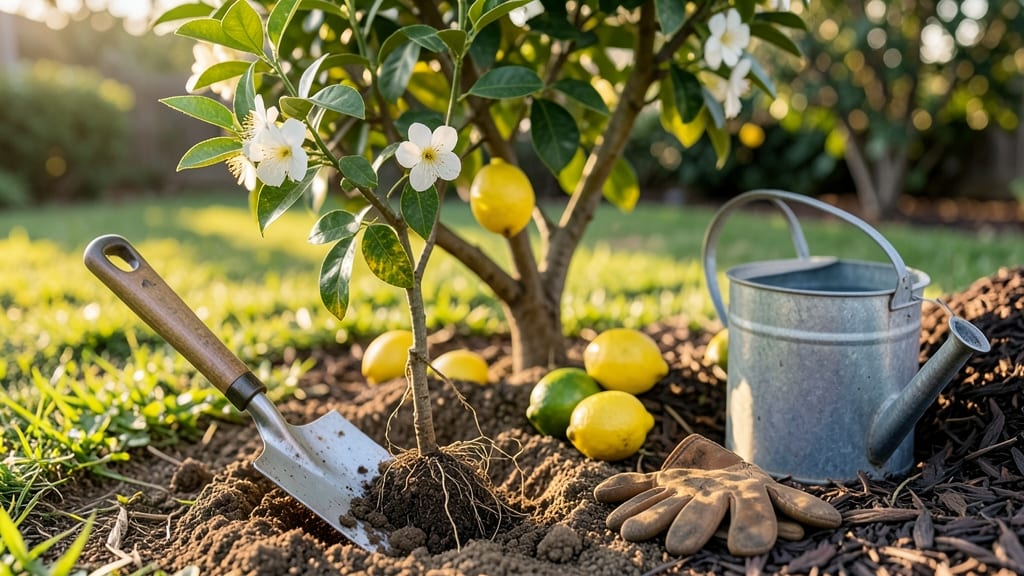
Planting your 🍊 citrus tree at the wrong time in Zone 9 can turn your dream backyard harvest into a struggle—especially when summer’s scorching heat hits. The key to success? Getting those roots established before the real heat ramps up, which means timing matters more than you might think.
Most gardeners in Zone 9 know citrus trees love warmth, but few realize the exact window for planting makes all the difference. If you wait too late, your tree will fight to grow strong enough to handle the dry season, leaving it weak and vulnerable.
Let me show you the perfect months to plant for maximum root growth and fruit production.
We’re talking about a late winter to early spring strategy—specifically February through March—that aligns with soil warming and avoids transplant shock. I’ll break down why this timing works, how to prep your soil for success, and what to watch for once your citrus tree is in the ground.
Ready to give your 🍊 tree the best possible start? Let’s dive into the details so you can enjoy fresh fruit year-round without the guesswork.

Best planting months for citrus trees in Zone 9: avoiding heat stress and frost risk
Citrus trees thrive in Zone 9’s Mediterranean climate, but timing your planting is critical to avoid heat stress and transplant shock. Unlike colder zones, Zone 9 has no frost risk, but the intense summer heat can overwhelm young roots if planted too late.
The ideal window balances soil warmth and moderate temperatures—here’s how to nail it.
Zone 9’s perfect planting months are February through April, with March being the absolute sweet spot. This timing ensures your citrus tree establishes strong roots before summer’s 100°F+ temperatures arrive.
Planting too early (January) risks cold snaps in some microclimates, while late spring/early summer planting (May+) exposes young trees to severe heat stress and waterlogged soil.
| Month | Soil Temp (°F) | Air Temp (°F) | Root Growth | Risk Level |
|---|---|---|---|---|
| January | 55-65°F | 50-70°F | Slow (cooler soil) | Moderate (cold snaps possible) |
| February | 60-70°F | 55-75°F | Good (active roots) | Low (safe for most areas) |
| March | 65-75°F | 60-80°F | Optimal (fast growth) | Very Low (best window) |
| April | 70-80°F | 65-85°F | Very Good (established roots) | Low (heat stress starts late) |
| May | 75-85°F | 70-95°F | Slow (heat stress) | High (avoid unless necessary) |
Soil temperature is the key factor for citrus root establishment. Aim for soil temps above 60°F—this triggers active root growth. Use a soil thermometer to check: dig 6 inches deep where you’ll plant.
If temps are below 60°F, delay planting until conditions warm up. In Zone 9, this usually aligns with late February to early April, depending on your microclimate.
Microclimates in Zone 9 can vary dramatically. Coastal areas stay cooler and more humid, while inland zones hit 110°F+ in summer. If you’re near the coast, you might plant as early as February.
Inland gardeners should wait until mid-to-late March to avoid sudden heat spikes. Observe your local weather patterns for 3-5 years to pinpoint the best window for your specific area.
Timing isn’t just about avoiding heat—it’s also about preparing for summer’s demands. A citrus tree planted in March will have 3-4 months of moderate growth before summer hits, giving its roots time to expand deeply and access water.
This root strength is critical for surviving Zone 9’s drought periods and intense sunlight. Without this head start, young trees often wilts or develop root rot from overwatering stress.
Pro tip: Container-grown citrus trees adapt slightly better to off-season planting than bare-root varieties. If you must plant in May, choose a 1-2 gallon container tree—its established root ball handles heat better.
Still, provide afternoon shade for the first 4-6 weeks to reduce transplant shock. Use shade cloth (30-50%) or plant near a patio or building for natural shade.
Watch for heat stress signs like yellowing leaves, drooping branches, or leaf scorch (brown edges). If you plant in late April or May, these symptoms are common and often irreversible.
To mitigate risks, mulch heavily (4-6 inches of wood chips or straw) to retain soil moisture and regulate temperature. Also, water deeply 2-3 times per week during the first summer month to encourage deep root growth.
One common mistake is assuming Zone 9’s frost-free status means you can plant anytime. While true for mature trees,
How to prepare soil and conditions for citrus trees before planting in Zone 9
Citrus trees thrive in Zone 9’s Mediterranean climate, but their success starts with the right soil preparation. The soil pH should be between 6.0 and 7.0—citrus trees are particularly sensitive to alkaline conditions, which can lock out essential nutrients like iron and zinc.
Before planting, I always test my soil using a simple pH test kit to ensure it’s in the ideal range.
Zone 9’s sandy or loamy soils often lack organic matter, so I recommend amending the planting hole with compost or well-rotted manure. This improves moisture retention and provides the nutrients young roots need to establish quickly.
Mix in a 50-50 blend of native soil and compost to create a nutrient-rich environment that mimics the tree’s natural habitat.
⚠️ callout warning
Zone 9’s intense summer heat (often exceeding 90°F+) stresses young roots, causing transplant shock. Planting in late winter or early spring (February-March) gives roots 3-4 months to establish before peak heat arrives. Summer planting = 50% higher failure rate—don’t risk it!
Drainage is another critical factor. Citrus trees hate soggy roots, so I always ensure the planting area has well-draining soil. If your soil is heavy clay, I mix in perlite or coarse sand to improve aeration.
For container planting, use a fast-draining potting mix with added perlite or pumice to prevent root rot—a common killer of citrus trees in Zone 9’s humid summers.
Mulching is a game-changer for citrus trees in Zone 9. I apply a 3-inch layer of organic mulch (like wood chips or straw) around the base, keeping it 6 inches away from the trunk to prevent moisture buildup.
Mulch helps regulate soil temperature, retains moisture, and suppresses weeds—all critical for young trees battling Zone 9’s hot, dry winds.
Microclimate adjustments can make or break your citrus tree’s success. In Zone 9, I often plant citrus trees near south-facing walls or under partial shade cloth to protect them from harsh afternoon sun.
For container-grown trees, I move them to a shadier spot during summer’s peak heat, then return them to full sun as temperatures cool in fall.
Finally, I never skip the root stimulator treatment before planting. A dip in mycorrhizal fungi or a root growth solution helps young roots establish faster in Zone 9’s competitive soil.
This small step can double root growth in the first 30 days, giving your citrus tree a fighting chance against summer’s brutal conditions.