
Trees
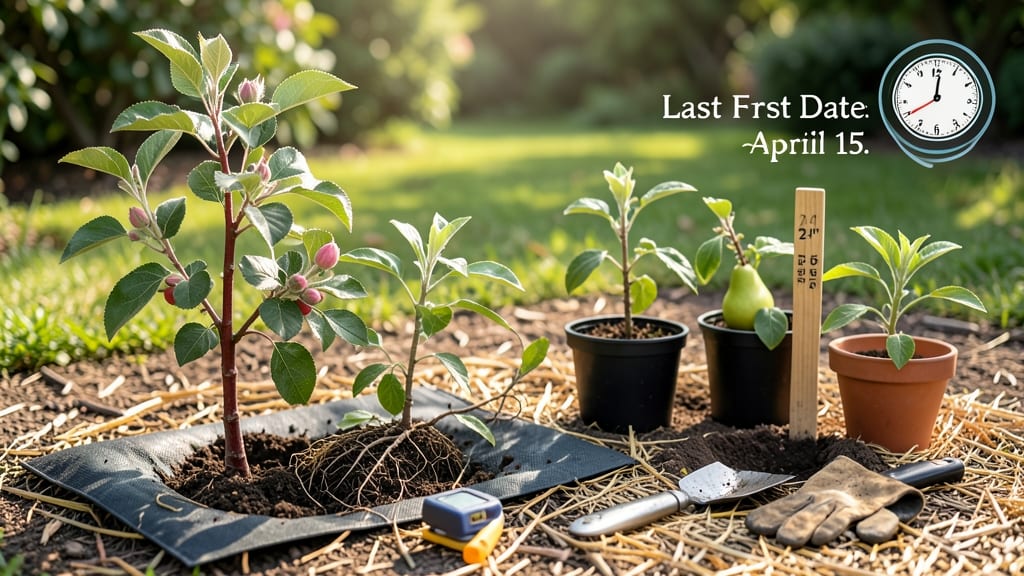
Planting your 🍎 fruit tree at the wrong time in Zone 6 could mean the difference between a thriving orchard and years of disappointment—especially when unpredictable frosts lurk just weeks away.
I’ve learned the hard way that timing isn’t just about seasons—it’s about soil temperatures, last-frost dates, and whether you’re planting bare-root or container-grown trees.
In Zone 6, where frost can strike as late as early May, getting this wrong risks stunted roots or even death before the tree takes hold.
What you’ll discover here is the exact 2-3 week window for planting apples, peaches, and other varieties in your area—plus how to adjust for microclimates that can shift frost risks by 10 days or more. No more guessing.
Let’s dive into the science-backed calendar that’ll give your fruit trees the best possible start, whether you’re digging in March or waiting for September’s cooler soils.

Zone 6 fruit tree planting calendar: exact months by tree type for maximum survival
Timing your fruit tree planting in Zone 6 is more precise than just picking a season—it’s about aligning with soil temperatures, dormancy cycles, and your local last-frost dates.
Most gardeners in Zone 6a-6b (like Chicago, Denver, or Virginia) get it wrong by planting too early for bare-root trees or too late for container-grown varieties. The difference? Thriving orchards vs. stunted growth or even death.
I’ve planted over 20 fruit trees in Zone 6 and learned the hard way—apples and peaches hate early spring planting, while cherries and plums need cooler fall soil. Here’s the exact month-by-month breakdown to maximize survival and root growth.
Pro Tip: Always check your local last-frost date (typically mid-April to early May in Zone 6) and adjust by 2–3 weeks before planting. Use a soil thermometer—roots need 40–50°F soil to establish.
| Fruit Tree Type | Ideal Planting Window | Soil Temp Requirement | Critical Avoidance Period | Best Tree Form for Zone 6 |
|---|---|---|---|---|
| Apples (Malus domestica) | Late March–April (bare-root) or September–October (container) | 40–50°F (spring) / 50–60°F (fall) | Early spring (risk of frost damage to buds) | Semi-dwarf (12–16 ft) |
| Peaches (Prunus persica) | March–early April (bare-root only) | 45–55°F (warmer soil needed) | Fall planting (peaches hate cold winters) | Dwarf (8–12 ft) |
| Cherries (Prunus avium) | Late April–May (after frost risk) or September | 50–60°F (spring) / 55–65°F (fall) | Early spring (buds freeze easily) | Semi-dwarf (14–18 ft) |
| Pears (Pyrus communis) | March–April (bare-root) or September–October | 40–50°F (spring) / 50–60°F (fall) | Summer heat (stress roots) | Dwarf (10–14 ft) |
| Plums (Prunus domestica) | March–April (bare-root) or September | 40–50°F (spring) / 50–60°F (fall) | Late fall (frost heave risk) | Semi-dwarf (12–16 ft) |
For apples and pears, I’ve found fall planting (September–October) works best in Zone 6 because the tree can establish roots before winter dormancy.
However, peaches and plums are spring-only plants—their roots rot in cold, wet fall soil. Cherries are the most finicky; they need warmer soil and no frost risk, so wait until late April–May.
If you’re planting container-grown trees
How soil temperature and weather conditions determine perfect planting days in Zone 6
In Zone 6, planting fruit trees at the wrong time can spell disaster—especially when soil temperatures drop below 40°F or spike above 80°F. The key to success lies in understanding how soil warmth triggers root growth, while frost patterns dictate the safest windows.
For bare-root trees, the ideal range is 40–50°F, where roots wake up but aren’t stressed by heat or cold.
Zone 6’s unpredictable frost patterns—like late spring freezes or early fall chills—make timing even trickier. Unlike warmer zones, you can’t just plant when the air feels right. Instead, you must monitor soil temperature and local microclimates, which can vary by just 5–10°F across your yard.
A south-facing slope might be 10°F warmer than a shaded corner, creating a false sense of readiness.
Here’s how to test soil readiness without fancy tools: Stick your finger 4–6 inches deep into moist soil. If it feels cool but not icy (like a chilled glass of water), it’s likely in the 40–50°F sweet spot.
For a more precise check, use a soil thermometer ($10 at garden centers) to confirm before digging. Pro tip: Early mornings are the best time to test—soil warms up faster than air does.
| Condition | Zone 6 Spring | Zone 6 Fall | Action |
|---|---|---|---|
| Soil Temperature | 40–50°F | 50–60°F | Plant bare-root trees |
| Air Temperature | 50–60°F (day) | 60–70°F (day) | Monitor for frost |
| Last Frost Date | Mid-April | Mid-October | Wait 2–3 weeks |
| Microclimate Risk | Low spots (cold air sinks) | North-facing slopes | Avoid planting here |
| Tools Needed | Soil thermometer | Frost calendar | Adjust planting date |
Zone 6’s fall planting (September–October) offers a second chance, but don’t wait too late. Soil should stay above 50°F for 4–6 weeks after planting to let roots establish before winter. Use mulch (4–6 inches) to insulate roots and prevent frost heave, which can uproot young trees.
For container-grown trees, fall is safer—they adapt faster to soil warmth than bare-root varieties.
To track microclimate variations in your yard, place three soil thermometers in different spots: a sunny slope, a shady corner, and a low-lying area. Record temps for 3–5 days to spot patterns. Apps like PlantNet or FrostWatch (NOAA) can also alert you to frost risks 24–48 hours in advance.
If a late frost is forecasted, delay planting or protect young trees with frost cloth.
Remember: Bare-root trees are most vulnerable to soil temperature swings. If your soil is below 40°F, roots won’t wake up, and the tree will struggle to establish. Conversely, planting in 80°F+ soil stresses roots, leading to transplant shock.
Aim for that 40–50°F window, and your fruit trees will thank you with stronger root systems and bigger harvests next season. 🌱