
Plants
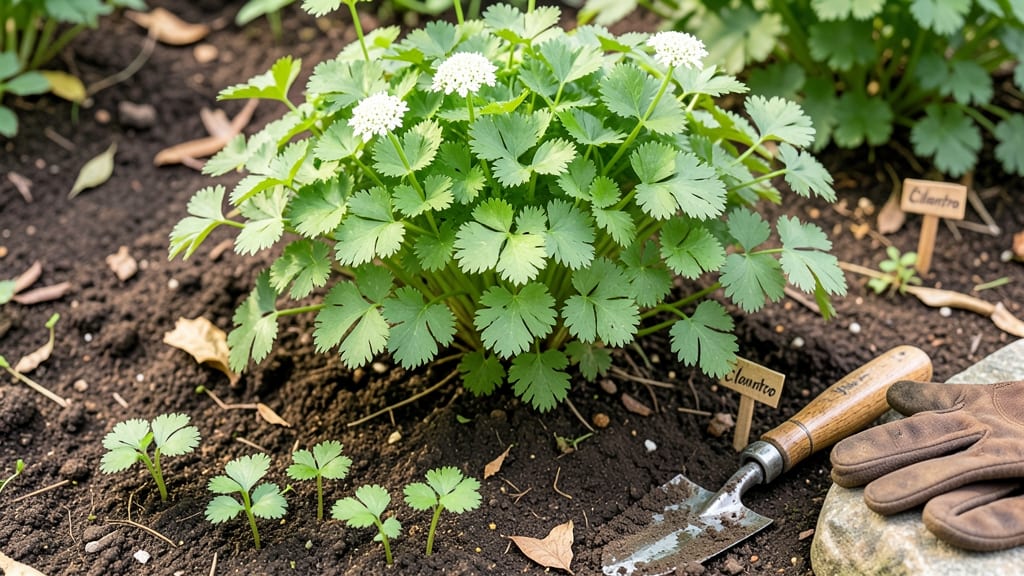
Planting cilantro in Southern California at the wrong time means watching your fresh 🌿 cilantro turn bitter and bolt before you can even use it. The key to a steady harvest lies in understanding the exact months that work best for your region's microclimates—whether you're near the coast or inland.
Most gardeners in zones 9b-11 know cilantro thrives in cooler weather, but timing is everything. If you plant too early, the heat will send your cilantro into premature bolting mode.
Too late, and you'll miss the sweet spot for flavorful leaves. I've tested the best windows over years of gardening here, and the results speak for themselves.
In this guide, I'll break down the ideal planting windows—September through November and February through March—that keep your cilantro happy and productive. You'll also discover how to extend your harvest season with simple tricks, so you're not left scrambling for fresh herbs when the weather turns warm.
Whether you're a seasoned gardener or just starting, these insights will help you avoid the common mistakes that turn cilantro into a bitter disappointment. Let's get your garden growing the right way from day one.
Best planting months for cilantro in Southern California (avoid bolting)
Southern California’s mild winters and hot summers create perfect conditions for cilantro—if you time it right. The key is planting during cooler months when temperatures stay below 75°F to prevent bolting.
Miss this window, and your cilantro will turn bitter and flower faster than you can say "guacamole." Let’s break down the exact months for coastal vs. inland microclimates.
Cilantro thrives in USDA Zones 9b-11, but even within SoCal, microclimates vary dramatically. Coastal areas like Malibu or San Diego stay cooler longer, while inland spots like Riverside or Palm Springs heat up faster.
This means your planting schedule should shift based on where you live. Let’s dive into the ideal windows for each zone to maximize your harvest and minimize bolting.
Pro Tip: Always check your local soil temperature—cilantro bolts when roots hit 70°F+. Use a soil thermometer to confirm conditions before planting.
| Factor | Coastal SoCal (e.g., Santa Barbara, San Diego) | Inland SoCal (e.g., Riverside, Lancaster) |
|---|---|---|
| Best Planting Months | September–November, February–March | August–October, January–February |
| Ideal Soil Temp | 60–70°F | 55–65°F (cooler nights help) |
| Avoid Planting When | April–July (bolting risk) | March–June (heat stress) |
| Harvest Window | October–December, April–May | September–November, March–April |
| Shade Needs | Partial shade (3–4 hrs sun) | Morning sun, afternoon shade |
For coastal gardens, September through November is your sweet spot. Temperatures stay mild, and the risk of bolting drops significantly. If you plant in February or March, you’ll catch the spring harvest window before summer heat sets in.
Just be ready to harvest by late May or bolting will ruin your crop.
Inland areas have a shorter window—August through October is critical. By November, nights get too cold, and cilantro may struggle. For a spring harvest, plant in January or February and harvest by April before the heat arrives.
Think of it as a race against the clock to beat the bolting trigger.
If you’re in a transition zone (like Los Angeles or Orange County), split the difference: plant in late August for a fall harvest and again in January for spring. This succession planting trick ensures you always have fresh cilantro without the bitter aftertaste.
One common mistake is planting too early in coastal areas (e.g., July or August). The ocean breeze might feel cool, but soil temperatures can still creep up, causing bolting. Always test soil temp before planting—aim for below 70°F at root level.
For inland gardeners, the afternoon heat is your biggest enemy. Use shade cloth (30–50%) or plant near tall plants (like tomatoes) to block the sun.
Even 1–2 hours of afternoon shade can extend your harvest by 2–3 weeks. Mulch with straw or wood chips to keep roots cool and moist.
Remember: consistent moisture is non-negotiable. Cilantro bolts when stressed, whether from heat or drought. Water deeply 2–3 times per week and avoid wetting leaves to prevent fungal issues. A drip irrigation system is your best friend for keeping cilantro happy and bolting-free.
With these precision planting times, you’ll enjoy flavorful cilantro for months—not days. And when summer rolls around, you can always grow it in containers with shade and frequent watering. Happy gardening! 🌿
How to extend cilantro’s harvest season in Southern California heat
Southern California’s hot, dry summers can turn cilantro into a bolting disaster within weeks. But with the right strategies, you can stretch that 60-day harvest window into multiple cycles.
The secret? Combining succession planting, shade protection, and smart companion planting to keep your cilantro cool, happy, and productive all year.
I’ve grown cilantro in San Diego’s coastal heat and Inland Empire’s intense sun—both locations demand different approaches. The key is understanding how to beat the heat while avoiding common pitfalls like overwatering stress or nutrient burnout.
Let’s dive into the proven tactics that’ll keep your cilantro thriving when others give up.
- Succession Plant Every 3 Weeks: Start new batches in September, October, February, and March for continuous harvests. Use shade cloth over seedlings to protect from afternoon sun.
- Use 30-50% Shade Cloth: Install removable shade nets during peak summer months (June-August). Cilantro tolerates 4-6 hours of morning sun but wilts in direct afternoon heat.
- Companion Plant with Basil & Marigolds: Basil repels pests while marigolds improve soil health. Avoid planting near dill or fennel, which cross-pollinate and cause bolting.
- Water Deeply in Early Morning: 1 inch of water every 2-3 days (more in 100°F+ heat). Use drip irrigation to keep leaves dry and prevent fungal issues.
- Harvest Aggressively: Pinch back flower stalks immediately and harvest outer leaves first. This encourages bushier regrowth and delays bolting by 2-3 weeks.
One of my biggest cilantro successes came from planting two batches in October—one under 30% shade cloth and one in full morning sun. The shaded batch lasted until mid-December, while the sun-exposed plants bolted by early November. The lesson? Shade is non-negotiable in SoCal’s summer heat.
For extended harvests beyond winter, try container growing with self-watering pots. Move containers to shadier spots during heatwaves and bring them back to morning sun when temps drop. This flexibility lets you adjust on the fly without risking bolting.
Don’t forget about soil temperature—cilantro roots prefer 60-70°F soil. In spring or fall, mulch with straw or wood chips to keep roots cool. During summer, opt for reflective mulch (like white gravel) to bounce back heat.
With these strategies, you can enjoy fresh cilantro year-round in Southern California—no bolting, no bitterness, just flavorful harvests whenever you need them. Start with one test batch this month and watch how long you can extend your season! 🌿