
Plants
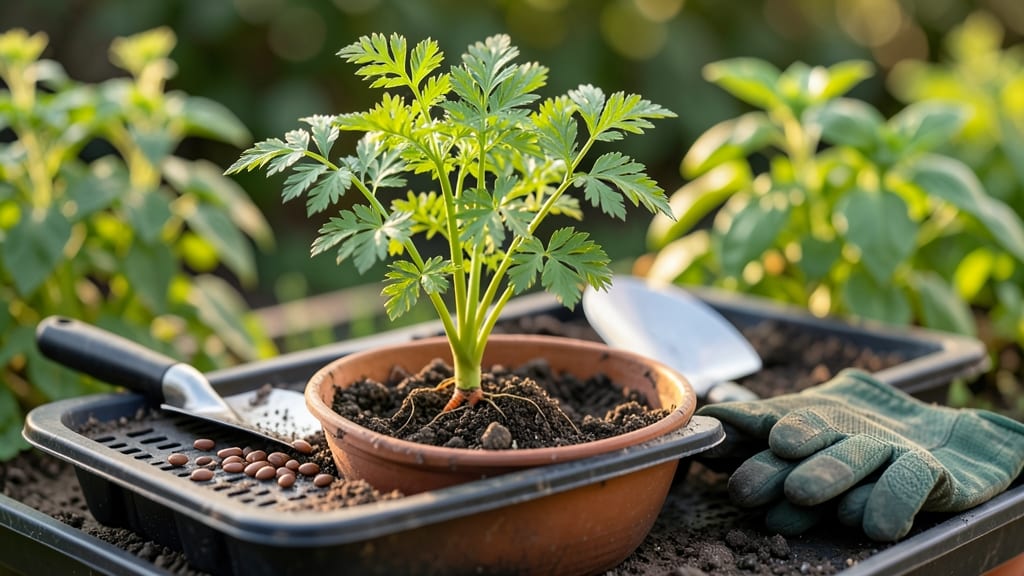
Planting carrots at the wrong time in Northern California can leave you with bitter, stunted roots—or worse, no harvest at all. The key to success lies in understanding your local frost dates and microclimates, whether you're in foggy coastal Marin or the warmer Sacramento Valley.
With USDA zones 8a-9b and mild winters, you actually have two prime windows to grow these crunchy roots: early spring and late summer. But timing isn't just about months—it's about soil temperatures and avoiding the dreaded "bolt" (when carrots flower too soon).
I'll break down the exact planting schedule by county, including soil prep tricks to prevent forking and when to succession plant for continuous harvests. By the end, you'll know exactly when to pop those 🥕 seeds in the ground for sweet, straight roots all season long.
Ready to turn your garden into a carrot patch? Let’s dive into the frost-free secrets that’ll have you harvesting from June through December—no guesswork required.
Northern California carrot planting calendar by county heat zones (USDA 8-10)
Northern California’s diverse microclimates—from foggy coastal areas to hot inland valleys—create unique challenges for carrot growers. Timing your plantings based on USDA heat zones and local frost dates ensures strong, straight roots. Coastal counties like Marin and Sonoma have milder winters, while inland Sacramento and Fresno face earlier spring warmth.
I’ll break down the optimal frost-free windows for each region, including late summer/fall options for continuous harvests.
Carrots thrive in cool soil temperatures (60-70°F) and struggle when soil heats above 80°F, leading to bolting (flowering). Succession planting every 2-3 weeks maximizes yield, but coastal areas can extend seasons longer than inland zones. Danvers and Nantes varieties are top choices for Northern California’s climate, with Danvers excelling in cooler coastal areas and Nantes handling warmer inland soils better.
Key planting windows vary by county:
Coastal counties like Marin and Sonoma benefit from extended growing seasons thanks to ocean breezes and fog. Plant as early as February in these areas, but avoid sowing before soil temperatures rise above 50°F—seeds won’t germinate well. Inland counties like <
How to extend your carrot growing season in Northern California’s climate
Northern California’s mild winters and coastal fog create unique challenges for carrot growers. Without the right strategies, your carrots may bolt (flower prematurely) or struggle to mature before summer heat sets in.
The key to success lies in understanding soil temperature, variety selection, and protective measures tailored to your microclimate. Whether you're in the Bay Area’s foggy zones or the Sacramento Valley’s hotter inland areas, these techniques will help you maximize your harvest year-round.
Carrots thrive in cool soil temperatures (55-85°F), but Northern California’s summers can push soil temps well above this range. Coastal areas often face prolonged fog that delays warming, while inland regions heat up quickly.
By combining shade solutions, succession planting, and cold-hardy varieties, you can grow carrots almost year-round. Let’s break down the most effective strategies to keep your carrots growing strong and avoid the dreaded bolting phase.
- 🌱 Plant in fall (Sept-Oct) for winter harvests—soil stays cool longer, preventing bolting.
- 🌡️ Use shade cloth (30-50%) in summer to keep soil temps below 85°F.
- ✂️ Succession plant every 2-3 weeks from March to September for continuous harvests.
- 🥕 Choose 'Danvers' for cold tolerance or 'Nantes' for heat resistance based on your microclimate.
- 💧 Water deeply in morning to maintain even moisture and prevent stress-induced bolting.
One of the most effective ways to extend your carrot season is by planting in fall for winter harvests. In Northern California, soil temperatures remain ideal for carrot growth well into October, and a cool winter (especially in coastal areas) allows carrots to mature slowly without bolting.
Start seeds in late September to early October for a harvest in November and December. This approach also helps you avoid the summer heat stress that triggers bolting.
For gardeners in coastal areas like Marin or Sonoma, where fog can delay warming, focus on early spring and late summer plantings. Use shade cloth (30-50%) during peak summer months to keep soil temperatures below 85°F, which is the upper limit for carrot growth.
This simple tool can make the difference between a thriving crop and one that bolts prematurely. Pair this with drip irrigation to maintain consistent moisture without overheating the soil.
Succession planting is another game-changer for Northern California gardeners. Instead of planting all your carrots at once, sow seeds every 2-3 weeks from March through September. This staggered approach ensures a continuous harvest and reduces the risk of bolting by spreading out the growth cycle.
For example, plant a small batch in early March, another in late April, and continue through August. This way, you’ll always have fresh carrots ready to harvest.
When selecting varieties, prioritize those suited to your local climate. 'Danvers' carrots are excellent for cooler coastal areas and can tolerate light frosts, making them ideal for fall and winter plantings.
In contrast, 'Nantes' varieties handle warmer inland soils better and are less likely to bolt in the Sacramento Valley’s heat. For year-round growing, consider 'Paris Market' or 'Little Finger' varieties, which mature quickly and are more forgiving of temperature fluctuations.
Finally, pay close attention to soil preparation and watering practices. Carrots need loose, well-draining soil to grow straight and avoid forking. Amend your soil with compost or sand if it’s heavy clay, and mulch around plants to retain moisture and regulate soil temperature.
Water deeply in the morning to reduce evaporation and prevent stress, which can trigger bolting. With these strategies, you’ll enjoy a longer growing season and a bountiful carrot harvest in Northern California’s diverse climate.