
Plants
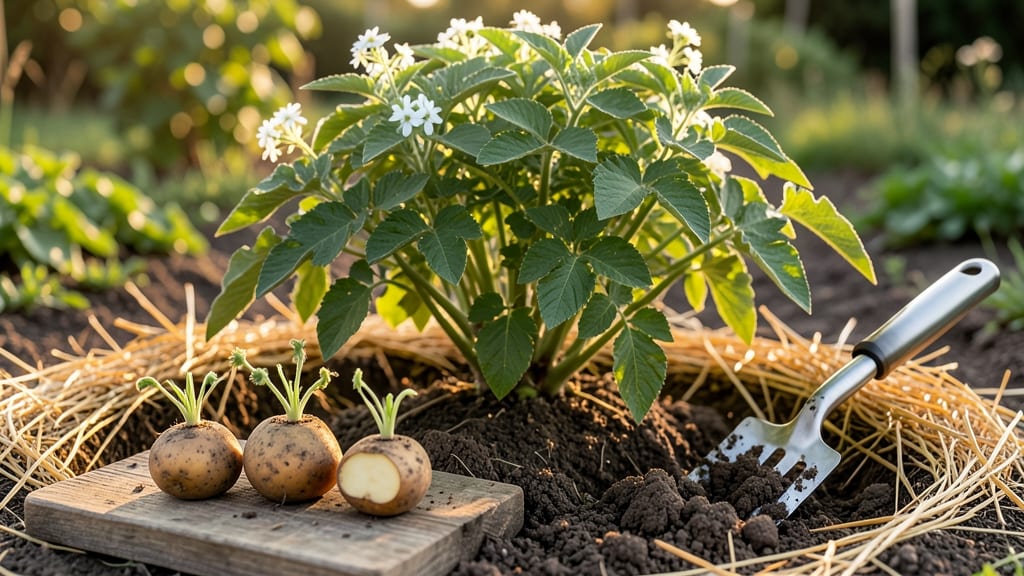
Planting potatoes in Georgia isn’t just about tossing them in the dirt—it’s about timing them perfectly to dodge frost and heat stress for the best harvest of your life.
With USDA zones 7b-8b offering two prime windows (early spring and late summer), you’ve got options, but one wrong move could mean stunted tubers or wasted effort.
I’ve grown potatoes in Georgia’s 7b-8b zones for years, and the difference between a 50-pound harvest and a 10-pound disappointment comes down to when you plant. Too early? Frost will fry your sprouts.
Too late? The summer heat turns your potatoes mealy. Let’s crack the code on the ideal frost-free windows for your county—and how to adjust for Georgia’s microclimates.
From North Georgia’s cooler highlands to South Georgia’s longer growing seasons, every region has its own rhythm. I’ll break down the exact weeks to plant for maximum yield, plus pro tips like soil temperature tricks and variety picks that thrive in Georgia’s heat.
Ready to turn your garden into a potato powerhouse?
Whether you’re a first-time planter or a seasoned gardener, these insights will help you avoid common mistakes and get tubers that are bigger, firmer, and ready to harvest at the perfect moment. Let’s dig in—literally!
Georgia’s frost-free planting windows by heat zone (and county-specific timing)
Georgia’s diverse USDA heat zones (ranging from 7A to 8B) create unique planting opportunities for potatoes. Unlike northern states, Georgia gardeners can plant year-round with proper timing—spring for early harvests and fall for winter storage. However, frost dates vary dramatically between north and south Georgia, making local research essential.
For example, Zone 7A counties like Dawson and Fannin in north Georgia face last frost dates around April 15, while Zone 8B counties like Camden and Chatham rarely see frost, allowing fall planting until October.
Understanding your specific frost-free window ensures healthy tubers and avoids stunted growth from late frosts.
Below is a county-specific breakdown of Georgia’s frost dates and ideal potato planting windows. Use this as your guide to align planting with soil temperatures and local weather patterns for maximum yield.
🌱
For Zone 7A gardeners in north Georgia, focus on early spring planting (March 1-April 15) to avoid late frosts. These areas benefit from cold-hardy varieties like Kennebec or Yukon Gold, which tolerate cooler soils.
In contrast, Zone 8B counties in south Georgia can plant as late as November for a winter harvest, using varieties like Red LaSoda that thrive in warmer conditions.
Soil temperature is just as critical as air temperature. Potatoes need 45°F (7°C) soil to sprout consistently. Use a soil thermometer to confirm readiness—cold, wet soil delays germination and invites rot.
In Zone 7A, wait until mid-March for soil to warm, while Zone 8B soils may be ready by January.
Georgia’s humid climate also affects planting. Late spring plantings in Zone 8A/B (after May) risk potato scab from high humidity. Space rows 12-18 inches apart and use drip irrigation to keep foliage dry.
For fall plantings, aim to harvest before first frost—even in Zone 8B, tubers left in cold soil develop sweet, toxic compounds.
Pro tip: Check your county’s historical frost data via the Georgia Automated Environmental Monitoring Network (AEMN). Their 10-year averages account for climate shifts better than generic zone guides. For example, Forsyth County (Zone 7B) saw frost as late as April 20 in 2021,
How to adjust planting time for Georgia’s microclimates (and avoid common mistakes)
Georgia’s diverse geography—from the Appalachian foothills to the coastal plains—creates microclimates that can shift planting windows by weeks. In Zone 7B (North Georgia), frost lingers until mid-April, while Zone 8B (South Georgia) may see year-round growing if managed correctly.
These variations mean a one-size-fits-all approach risks stunted tubers or frost damage.
Your first step is to map your microclimate. Check your elevation—every 1,000 feet higher adds 3–5°F cooler temps—and observe local frost pockets. For example, Dahlonega (Zone 7A) may need row covers in March, while Savannah (Zone 8B) can plant fall potatoes until mid-October.
⚠️ Premature Planting Warning
Planting potatoes too early—when soil temps are below 45°F (7°C)—triggers rot and poor tuber formation. Signs you’ve planted too soon: yellowing leaves, stunted growth, or moldy sprouts. Use a soil thermometer to confirm consistent 50°F+ before planting.
🌱 Pro Tip: In Zone 7A, wait until mid-April for spring planting; in Zone 8B, fall planting can start as early as August.
Adjust your schedule using soil temperature as your guide. Potatoes need 45–60°F soil to sprout, but above 85°F stunts growth.
In North Georgia, aim for February–March planting; in South Georgia, stretch to September–October for fall harvests. Cold frames or black plastic mulch can warm soil 5–10°F faster, extending your window.
Extend your growing season with row covers or low tunnels. In Zone 7A, these let you plant 4–6 weeks earlier in spring or harvest 2–3 weeks later in fall.
For late-season varieties like ‘Yukon Gold’, use floating row covers to protect from light frosts (down to 28°F). Remove covers during daytime to prevent heat stress.
Avoid common timing mistakes like planting when rain is forecasted (leads to waterlogged soil) or ignoring moon phases (though they don’t affect growth, gravitational pull may influence tuber shape).
Instead, focus on consistent moisture—potatoes need 1–2 inches of water weekly—and loose, well-drained soil to prevent scab disease.
For marginal zones (e.g., Zone 7A), try container growing. Use 5-gallon buckets with well-draining mix and move pots to protected spots at night. This lets you plant 2–3 weeks earlier than in-ground beds. Monitor foliage color: deep green means healthy growth; purple hues signal phosphorus deficiency.
Remember: Georgia’s humidity and heat demand disease-resistant varieties. Pair timing adjustments with proper spacing (12–18 inches apart) and mulching to retain moisture. With these tweaks, you’ll harvest potatoes year-round—even in Zone 7A—without the usual frost risks or stunted yields. 🥔