
Plants
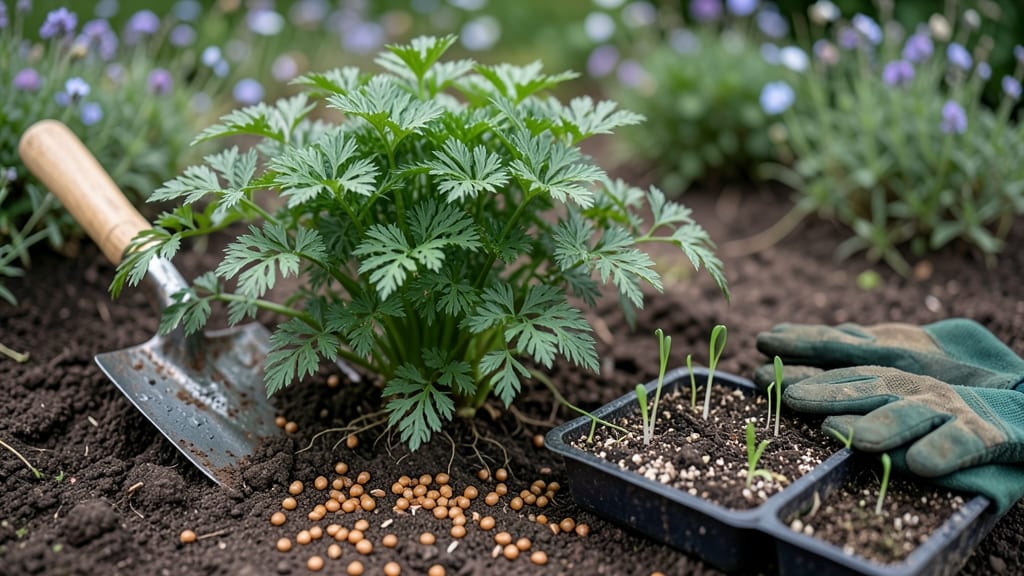
Planting carrots at the wrong time in Idaho can mean the difference between a bumper crop of sweet, crisp 🥕 and a sad, stunted harvest.
The key to success lies in understanding your local climate zones—whether you're in the cooler north or warmer south—and when those seeds should hit the soil for the best results.
With Idaho's 5b-7b zones, you've got two main planting windows: early spring and late summer. Missing these timelines could leave your carrots struggling with either late frosts or early cold snaps. I'll show you exactly when to start seeds in March versus September for that perfect harvest window.
What makes Idaho's growing season unique is how quickly temperatures shift. In northern Idaho, you might be racing against an April frost, while southern gardeners can push their fall planting later into October. The goal? Getting those roots established 60 days before your first frost date—no matter where you're planting.
Whether you're a first-time gardener or a seasoned pro, these planting tips will help you grow carrots that are sweet, straight, and ready to harvest just in time. Let's dive into the perfect timing for Idaho's climate so you can enjoy homegrown carrots from June through November.
Best planting windows for carrots in Idaho’s climate zones
Idaho’s diverse climate zones create unique challenges and opportunities for growing crisp, sweet carrots. In Zone 5-6 (northern Idaho), chilly springs and early frosts demand precise timing, while Zone 7-8 (southern Idaho) offers slightly longer growing seasons.
Whether you're a seasoned gardener or just starting, understanding these planting windows will maximize your harvest potential.
Carrots thrive in cool soil temperatures between 45°F and 85°F. In Idaho, this means focusing on early spring and fall plantings to avoid the heat of summer, which can cause bolting or woody roots.
Summer plantings are possible but require extra care and shade. Let’s break down the ideal planting times for each zone to help you plan your garden like a pro.
Here’s a quick comparison of the best planting windows for Idaho’s two primary climate zones, including early spring, summer, and fall options:
| Zone | Early Spring | Summer | Fall | Notes |
|---|---|---|---|---|
| Zone 5-6 (Northern Idaho) | March 15 - April 15 | June 15 - July 15 (with shade) | August 15 - September 15 | Soil must be at least 50°F; use row covers for early plantings. |
| Zone 7-8 (Southern Idaho) | March 1 - April 30 | June 1 - July 31 (with shade) | August 1 - October 1 | Longer growing season; succession planting possible in fall. |
For Zone 5-6, start seeds indoors in early March or sow directly outdoors once the soil warms to 50°F. Use row covers or cold frames to extend the season, as late frosts are common.
In Zone 7-8, you can push the envelope slightly earlier in spring and later in fall, but always monitor soil temperatures to avoid bolting.
Summer plantings in Idaho’s heat require extra attention. Carrots planted in June or July need partial shade during peak afternoon sun to prevent bolting. Choose shorter varieties like ‘Paris Market’ or ‘Little Finger’ for container gardening, as they tolerate heat better than long-rooted types.
Mulch heavily to retain moisture and keep roots cool.
Fall plantings are often the most rewarding in Idaho, as cooler temperatures encourage sweet, crisp roots. Aim to sow seeds 8-10 weeks before your first frost date, which varies from mid-October in northern Idaho to early November in southern Idaho.
Succession planting in late summer ensures a steady harvest through fall.
Pro tip: Use straw mulch around carrot rows to suppress weeds and retain moisture. This is especially important in Idaho’s dry summers, where water conservation is key. Always water deeply in the morning to reduce evaporation and fungal risks.
If you’re growing carrots in containers or raised beds, start seeds indoors 4-6 weeks before your last frost date and transplant seedlings outdoors once the soil is workable.
This method gives you a head start in Idaho’s short growing season and helps avoid rocky soil issues common in the region.
Don’t forget to rotate your crops annually to prevent disease. Carrots are heavy feeders, so amend the soil with compost or aged manure before planting. Avoid planting in soil where other root vegetables have grown recently, as this can lead to pest and disease issues.
With these planting windows and a little extra care, you’ll be enjoying homegrown carrots from early summer through fall—even in Idaho’s challenging climate. Happy gardening! 🥕🌱
How to extend your carrot growing season in Idaho’s short summers
Idaho’s short growing season and unpredictable spring frosts can feel like major roadblocks for carrot lovers, but with the right strategies, you can enjoy fresh, crisp roots from early spring to late fall.
The key lies in succession planting, selecting cold-hardy varieties, and using simple frost protection techniques to shield tender seedlings. By extending your harvest window, you’ll avoid the disappointment of watching your garden beds sit empty between plantings.
I’ve learned through trial and error that spring and fall plantings are the most reliable in Idaho’s climate. While summer heat can stress carrots, focusing on early spring sowings and late summer succession plantings ensures a steady supply.
The trick is to time your plantings so that each batch reaches maturity before the first hard frost—typically around mid-October in most of the state.
🌱 5 Proven Strategies to Extend Your Carrot Season
- 📅 Succession Plant Every 2-3 Weeks: Start with early spring plantings (March 15-April 1) and follow with weekly sowings until May 1 to stagger harvests.
- ❄️ Use Frost-Cloth for Early/Fall Plantings: Protect seedlings with lightweight frost fabric when nighttime temps drop below 40°F.
- 🥕 Choose Cold-Tolerant Varieties: Opt for ‘Danvers Half Long’ or ‘Nantes’, which handle cooler temps better than standard types.
- 🌡️ Extend Fall with Row Covers: Cover beds with hoop tunnels or row covers to push harvests into November in warmer microclimates.
- 🌱 Direct Sow, Don’t Transplant: Carrots hate root disturbance—sow seeds directly into warm soil (60°F+) for best success.
For spring plantings, I always start seeds indoors under grow lights 4-6 weeks before the last frost (around March 1 in southern Idaho, later in the north). This gives seedlings a head start before transplanting outdoors once soil temps reach 50°F.
In my experience, April 15 is the safest date to move them outside, as earlier transplants risk frost damage.
When it comes to fall extensions, I swear by row covers and cold frames. By covering beds with floating row covers or low tunnels, I’ve successfully harvested carrots well into November in Boise’s Zone 7b. Just remember to ventilate on warm days to prevent overheating.
For even later harvests, try ‘Paris Market’ or ‘Short ‘n Sweet’ varieties—they mature faster and tolerate cooler temps better.
One common mistake I see is overcrowding seedlings during succession plantings. To avoid this, I use precision seeding tools and thin seedlings to 2-3 inches apart once they’re 2 inches tall.
Proper spacing ensures straight, well-formed roots and reduces competition. Pair this with consistent moisture (1 inch per week) and light fertilization (5-10-10 NPK), and you’ll maximize your yield.
Don’t let Idaho’s short summers limit your carrot harvest—with these techniques, you can enjoy homegrown roots for nearly half the year. Start with early spring and late summer plantings, protect tender seedlings, and choose the right varieties.
Before you know it, your pantry will be stocked with fresh, homegrown carrots long after store-bought options have disappeared! 🥕