
Plants
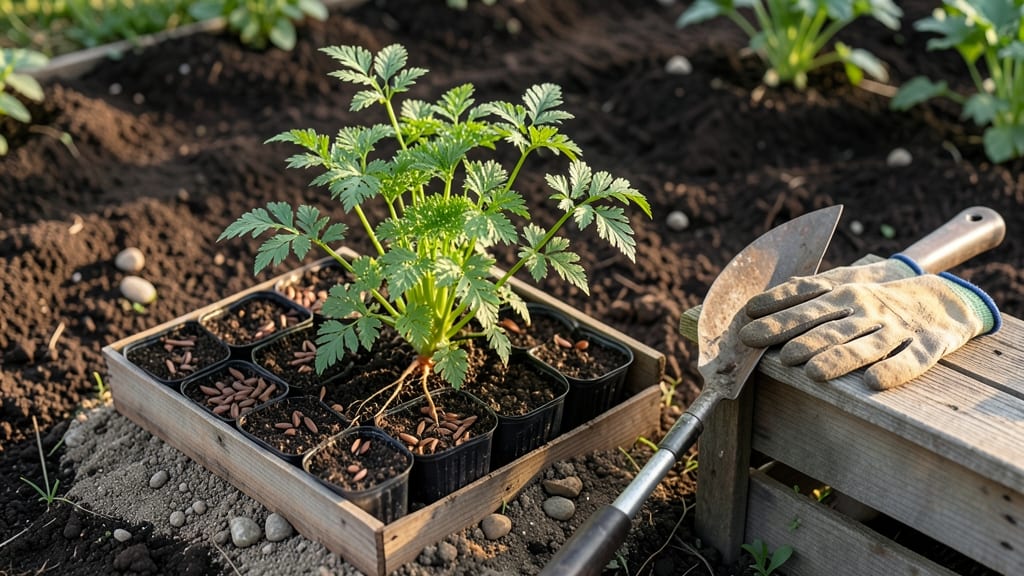
Planting carrots in Texas isn’t just about tossing seeds into the dirt—it’s about timing them perfectly to dodge the brutal summer heat and late-season frost. Whether you're in North Texas or the Gulf Coast, getting the window right means the difference between sweet, crisp 🥕 and bitter, stunted roots.
Most Texas gardeners swear by fall planting (September–November) as the golden ticket, but spring (February–April) can work too—if you play your cards right. The key? Avoiding those 30-degree nights that turn your harvest into a science experiment.
I’ll break down exactly when to plant in your specific zone and how to stretch your growing season for year-round harvests.
You might think Texas’s long summers mean carrots are a lost cause, but with the right strategy, you can enjoy fresh-pulled roots from December through June. I’ve tested what works (and what doesn’t) across 8a–10b zones, so you don’t have to learn the hard way.
Let’s get those seeds in the ground at the perfect moment.
Ready to grow carrots that actually thrive in Texas heat? I’ll walk you through the best months, soil prep tricks, and even how to outsmart the weather for a bumper crop. No more guessing—just bold, sweet roots all season long.
Texas carrot planting calendar: month-by-month breakdown for bold roots
Timing your carrot planting in Texas means balancing heat tolerance with frost sensitivity. The Lone Star State’s three distinct regions—North, Central, and South Texas—each demand unique strategies.
In North Texas (USDA Zones 7b-8a), frost can strike as early as mid-December, while South Texas (Zones 9a-10b) enjoys milder winters with later frost dates. Central Texas (Zones 8a-8b) falls somewhere in between, requiring careful timing to avoid both extremes.
For sweet, crisp roots, focus on two key planting windows: fall (September-November) and spring (February-April). Fall-planted carrots mature before winter’s chill, while spring crops thrive as temperatures rise. Soil temperature is critical—carrots germinate best when soil reaches 60-70°F.
Use a soil thermometer to check before sowing, especially in Hill Country areas where rocky soil can heat up faster.
Here’s your region-specific planting breakdown, including frost dates, ideal months, and harvest windows to maximize your yield:
In North Texas, prioritize fall planting (September-October) to avoid summer heat. Use
How to Extend your Texas carrot growing season with successive plantings
Texas’s short cool seasons make successive carrot plantings your secret weapon for a steady harvest. By staggering sowings every 2-3 weeks, you’ll avoid the heat stress of summer and the frost damage of winter.
This method works especially well in USDA Zones 8a-10b, where fall and spring are your prime windows.
Start your first planting in late August to early September for a fall crop, then repeat every 21 days until mid-November. For spring, begin in February and continue through March. This spacing ensures a continuous supply of crisp, sweet roots instead of one overwhelming harvest.
🌱 5 Key Steps to Extend Your Carrot Season
- 📅 Start with heat-tolerant varieties like 'Danvers Half Long' or 'Nantes'—they handle 85°F+ temps better than standard types.
- ☀️ Use shade cloth (30-50%) in late spring/early summer to protect seedlings from intense Texas sun while keeping soil cool.
- 🌿 Plant companion crops like radishes or lettuce between carrot rows—they mature faster and mark carrot spacing without crowding.
- 💧 Water deeply in the morning to prevent bolting (premature flowering). Aim for 1 inch per week, avoiding wet foliage at night.
- 🌡️ Extend fall harvests by covering beds with lightweight row covers after first frost (North Texas: ~Jan 15; South Texas: ~Jan 31).
Preparing your soil is just as critical as timing. Carrots need loose, stone-free soil to grow straight. Work in 2-3 inches of compost before planting and avoid working the soil when it’s wet—this creates hardpan layers that cause forked roots.
If your soil is heavy clay, consider growing carrots in raised beds filled with a mix of compost, sand, and peat moss.
For extended harvests in spring, start seeds indoors under grow lights 6-8 weeks before your last frost date. Transplant seedlings outdoors in February when soil temps drop below 75°F.
This head start gives you a jump on the season and lets you harvest before summer heat sets in. Pair this with succession plantings every 3 weeks for a continuous supply.
Don’t forget to thin seedlings to 2-3 inches apart once they’re 2 inches tall. This might seem counterintuitive, but crowded carrots grow small and misshapen. Use the thinned seedlings in salads or share with neighbors—waste not, want not!
Mulch with straw or grass clippings to retain moisture and suppress weeds, which compete with your carrots for nutrients.
With these techniques, you’ll enjoy homegrown carrots from September through May, even in Texas’s challenging climate. The key is planning ahead, adapting to your microclimate, and staying consistent with care. Happy growing! 🥕