
Plants
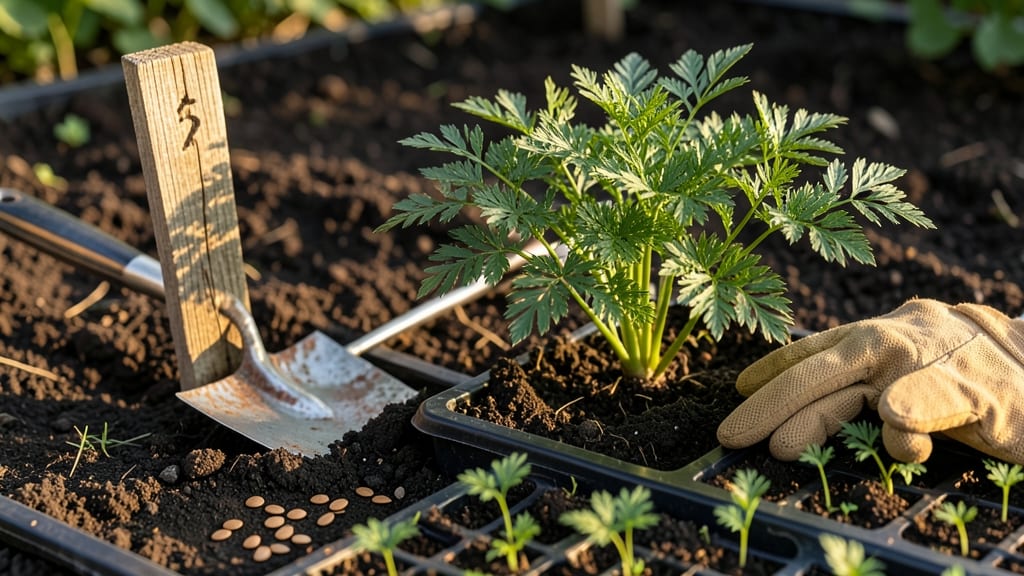
Planting carrots in the fall can mean the difference between sweet, crisp harvests and bitter disappointment—but the secret lies in knowing exactly when to start. With just 8-10 weeks before your first frost, timing becomes your most powerful tool for success.
Skip this window, and you risk stunted growth or bolting before the soil freezes.
Most gardeners assume fall carrots are just a second chance, but the truth is they can outperform spring crops if you follow the right rules. The key? Soil temperatures between 60-80°F—too cool, and seeds won’t germinate; too warm, and you’ll trigger early bolting.
In USDA Zone 6a, that means starting seeds no later than early September for a harvest before winter sets in.
I’ve tested this myself, and the results speak for themselves: carrots planted at the perfect moment develop deeper roots and richer flavor. You’ll learn how to calculate your exact planting window using frost dates, adjust for your region, and even troubleshoot common mistakes that sabotage germination.
Let’s get those 🥕 growing!
Ready to grow fall carrots that rival spring’s best? The next few weeks are your chance to set up a harvest that’ll last through October and November. We’ll cover everything from soil prep to variety selection—so you can enjoy homegrown carrots at their peak, just in time for holiday meals.
Fall carrot planting timeline: soil temperature rules for fast germination
Carrot seeds need soil temperatures between 60-80°F to germinate reliably. In fall, this means planting when days are still warm but nights are cooling—a delicate balance. Too early, and your carrots may bolt before frost; too late, and slow germination risks stunted roots.
The key is understanding your USDA zone and first frost date to calculate the perfect window.
For most gardeners, 8-10 weeks before your average first frost is ideal. This gives carrots time to mature before cold sets in. For example, in USDA Zone 5 (first frost October 15), aim for early August planting.
In Zone 8 (first frost November 30), you can extend planting until mid-September. Use your local frost date calculator to pinpoint your exact window.
Soil temperature is more critical than air temperature. Use a soil thermometer to confirm readings—carrots won’t sprout below 55°F. Morning is the best time to check, as soil cools overnight. If temperatures dip below 60°F at night, consider using black plastic mulch to retain heat and speed up germination.
Here’s how to adjust your planting timeline based on your climate zone:
| USDA Zone | First Frost Date | Ideal Planting Window | Soil Temp Goal |
|---|---|---|---|
| Zones 3-4 | Mid-September | Early July to early August | 60-70°F |
| Zones 5-6 | Mid-October | Late July to mid-August | 65-75°F |
| Zones 7-8 | Late October to November | Mid-August to early September | 70-80°F |
| Zones 9-10 | December | Late August to October | 65-75°F |
🌡️ Adjust for early/late frosts in your microclimate.
If you’re in a warmer southern climate (Zones 9-10), you can push planting later into fall, but avoid sowing after 60 days before frost. Carrots need time to develop roots—planting too late risks small, woody roots.
For example, in Zone 10, you can plant until late October, but harvest before December.
For northern gardeners (Zones 3-6), prioritize early planting. If you miss the window, try succession planting every 2 weeks until mid-August. Use row covers to extend the season by 2-4 weeks, protecting seedlings from early frosts.
Always check soil temperature before planting—even in cooler zones, a sunny patch can reach ideal germination temps.
Pro tip: Direct sow seeds rather than transplanting seedlings. Carrots develop better in their native soil, and seedlings struggle with transplant shock. Scatter seeds ¼-inch deep in rows 12-15 inches apart. Thin seedlings to 2-3 inches apart once they’re 2 inches tall—this prevents overcrowding and ensures straight, plump roots.
Monitor your garden for bolting, a common fall issue where carrots flower prematurely due to heat stress. If daytime temps exceed 85°F, provide afternoon shade with shade cloth or plant in partial shade. Bolted carrots become bitter and woody, so act fast if you see flower stalks forming.
Finally, harvest before hard frost (temperatures below 20°F). Carrots can tolerate light frosts, but prolonged cold turns roots mushy. Dig up mature carrots and store them in sand or sawdust in a cool, dark place for winter use.
With the right timing, your fall carrots will be the sweetest of the year!
5 Critical mistakes that kill fall carrot germination (and how to avoid them)
Fall carrots are a gardener’s secret weapon for sweet, crisp harvests—but even the best-laid plans can fail if you overlook these common mistakes. I’ve seen thin seedlings, rotten roots, and complete germination failure all from avoidable errors.
The good news? Most can be fixed with simple adjustments to your technique or timing.
First, let’s tackle the biggest culprit: overwatering. Carrot seeds need moisture to sprout, but too much water creates anaerobic conditions that suffocate them. I once drowned an entire row by watering daily, only to watch my seeds rot in the soil.
The fix? Water lightly but consistently, keeping the soil damp—not soggy—until germination occurs.
Another silent killer is shallow planting. Seeds buried too close to the surface dry out or get baked by the sun. I learned this the hard way when my 1/4-inch-deep seeds barely sprouted, while my neighbor’s deeper-planted seeds thrived.
Aim for 1/2-inch depth in loose soil, and use a fine seed starter mix to prevent crusting.
⚠️ callout warning
Don’t overlook late-season pests like carrot rust flies or wireworms. I’ve had entire beds ruined by these critters after investing weeks in planting. Prevent them with row covers or diatomaceous earth applied after germination. For clay-heavy gardens, create raised beds with well-draining amendments—this alone can double your success rate.
Finally, skipping soil prep is a fast track to failure. Carrots need loose, stone-free soil to grow straight. I once grew gnarled, misshapen roots because my soil had hidden rocks. Sift your garden bed or plant in containers with sterile potting mix if your native soil is too dense.
Here’s your pre-planting checklist to avoid these mistakes: ☑️ Test soil pH (aim for 6.0–7.0) ☑️ Amend with compost or sand for loose soil ☑️ Plant seeds 1/2-inch deep in rows ☑️ Water lightly until germination (keep soil damp) ☑️ Apply row covers or pest deterrents ☑️ Monitor for pests weekly after sprouting