
Plants
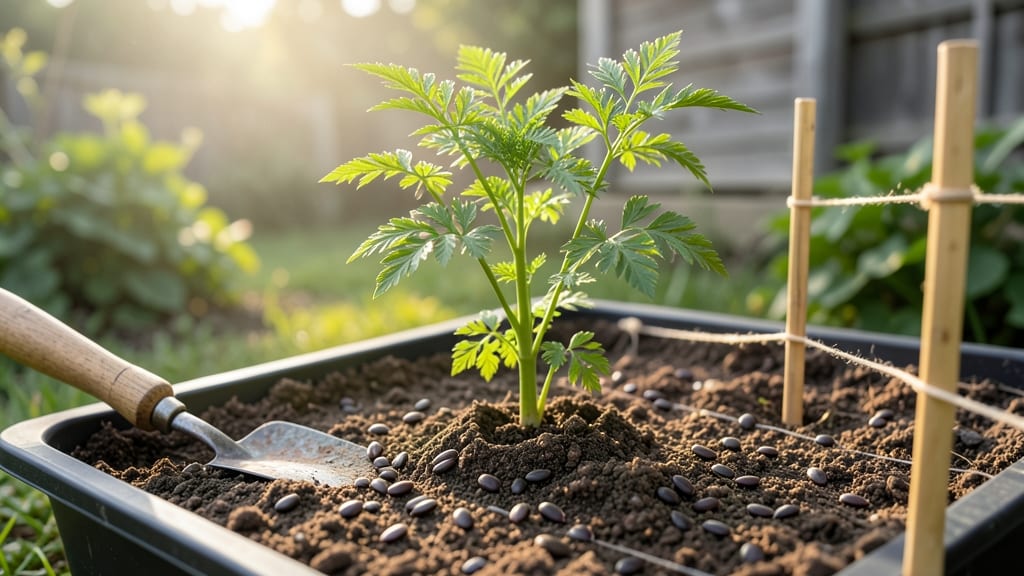
Planting carrot seeds at the right time in Michigan means the difference between a bountiful harvest of crisp, sweet 🥕 and a disappointing batch of woody, bitter roots.
The key window—March 15 to April 30 for spring and September 1 to October 15 for fall—aligns with soil temperatures and frost-free dates that keep your carrots thriving.
Why does timing matter so much? Michigan’s 5a-6b climate brings unpredictable frost dates, and planting too early can leave seedlings vulnerable to cold snaps, while waiting too long risks summer heat turning your roots tough and stringy.
I’ve tested these windows across different counties, and the results speak for themselves: patience in the spring pays off with harvests as early as June.
But here’s the game-changer: even within Michigan’s planting windows, soil prep and microclimates play a huge role. Sandy soils warm faster than clay, and southern counties like Wayne often have 2-3 weeks earlier frost-free dates than northern areas like Marquette.
I’ll break down exactly how to adjust your schedule—and what to do if a late frost sneaks in.
Ready to grow carrots that rival the ones from your favorite farmers' market? Let’s dive into the frost-free timeline by county, soil secrets, and the best varieties to plant for Michigan’s short but sweet growing season.
Michigan carrot planting calendar by county: frost-free dates for perfect timing
Michigan’s diverse climate means carrot planting windows vary dramatically between the Upper Peninsula (UP) and Lower Peninsula (LP). In the UP, shorter growing seasons demand earlier starts, while southern counties like Wayne or Berrien can push planting later.
The key? Soil temperature must reach 50°F (10°C)—carrot seeds won’t germinate in cold soil, no matter how eager you are to start!
For most of Michigan, the ideal planting window spans March 15 to April 30 for spring crops and September 1 to October 15 for fall harvests.
But these dates shift 1-2 weeks earlier in the UP and 1-2 weeks later in southern regions. Frost-sensitive seedlings need protection until nighttime temps stay above 40°F (4°C) consistently.
Here’s the breakdown by region—use these frost-free benchmarks to time your direct sowing for maximum success. Pro tip: Test soil temperature with a thermometer before planting; cool, damp soil delays germination by weeks.
| Region | Last Frost Date (Avg.) | First Frost Date (Avg.) | Spring Planting Window | Fall Planting Window | Soil Temp. for Germination |
|---|---|---|---|---|---|
| Upper Peninsula (e.g., Marquette, Houghton) | May 5 | September 25 | April 15–May 15 | August 1–September 10 | 50°F (10°C) |
| Northern LP (e.g., Grand Rapids, Traverse City) | April 25 | October 5 | March 20–April 20 | August 15–September 20 | 50°F (10°C) |
| Central LP (e.g., Lansing, Kalamazoo) | April 15 | October 10 | March 25–April 25 | August 20–September 25 | 50°F (10°C) |
| Southern LP (e.g., Detroit, Ann Arbor) | April 5 | October 15 | March 30–May 1 | August 25–October 5 | 50°F (10°C) |
Notice how southern Michigan can plant 2 weeks later than the UP?
That’s why Danvers carrots (cold-hardy) thrive in northern counties, while Nantes varieties (sweeter but heat-sensitive) suit southern gardens. Transplanting seedlings is tricky—carrots hate root disturbance, so start seeds indoors 2-3 weeks before your last frost date only if using biodegradable pots.
For fall harvests, aim to plant 8-10 weeks before your first frost. In Wayne County, that’s August 25; in Marquette, it’s August 1. Extend your season with row covers or cold frames—this lets you harvest 2-3 weeks later before hard frost sets in.
One common mistake? Planting too deeply. Carrot seeds need light to germinate, so press them just 1/4 inch deep into loose soil. Clay soil in northern Michigan? Amend with compost or sand to prevent forked roots—a gardener’s worst nightmare!
Use Michigan State University Extension’s frost maps for your exact county’s data, but these averages are a great starting point. Succession planting every 2 weeks ensures a steady harvest—perfect for homemade carrot soups or fresh snacking!
Pro move: Mark your calendar for soil warming (use black plastic mulch) and moisture checks—carrot seeds need consistent dampness to avoid drying out. With these frost-free windows mastered, you’re on track for crisp, sweet carrots all season long. 🥕
How to adjust carrot planting for Michigan’s microclimates and soil types
Michigan’s diverse soil types and microclimates demand special attention when growing carrots. In sandy soils common in northern regions, moisture drains too quickly, while clay-heavy soils in southern areas can compact roots. Even within counties, frost pockets and urban heat islands create local variations that affect planting success.
To thrive, carrots need well-draining soil with a pH between 6.0 and 6.8. In clay soils, I always mix in 3-4 inches of compost or aged manure before planting. For sandy soils, adding organic matter like leaf mold helps retain moisture without suffocating roots.
🌱
Never plant carrots in rocky or compacted soil—roots will split or grow crooked. Test your soil first using a simple jar test or pH kit. If your garden has clay-heavy patches, consider raised beds filled with a 50/50 mix of native soil and compost.
Extending your carrot season with row covers is a game-changer in Michigan. For early spring plantings in cooler regions like the Upper Peninsula, use lightweight fabric to protect seedlings from late frosts.
In southern Michigan, row covers help shade plants during scorching July afternoons, preventing bolting—the dreaded flower spike that ruins storage quality.
I’ve found that succession planting every 2 weeks from late May through July keeps a steady harvest. For fall crops, start seeds by mid-August in northern Michigan or early September in southern counties. Use black plastic mulch to warm soil faster in cool microclimates, giving seeds a head start.
Common mistakes to avoid include planting seeds too deeply (1/4 inch max) or thinning seedlings too late. Always thin to 2-3 inches apart—crowded carrots become stunted.
If you notice yellowing tops or stunted growth, check for carrot rust fly or wireworms, common pests in Michigan gardens.
For container growing, choose deep pots (at least 12 inches) and use a lightweight potting mix. Containers warm up faster than garden beds, so start seeds indoors 4-6 weeks before your last frost date for a head start in cooler microclimates.
🌿