
Plants
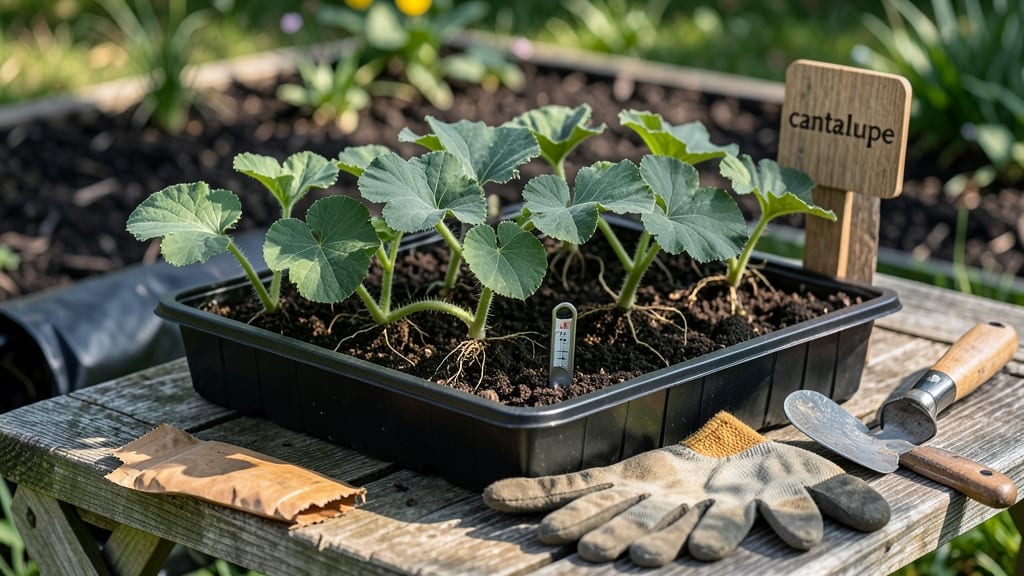
Planting cantaloupe in Zone 6 can feel like a high-stakes game of timing—get it wrong, and your seeds either rot in cold soil or your vines never mature before frost bites.
The key to success? Waiting until the soil hits that 70°F sweet spot, which in Zone 6 typically lands between mid-April and early May, right after the last frost.
I’ve learned the hard way that rushing cantaloupe 🍈 into the ground too soon leads to slow germination or worse, seedling death. But with the right soil temperature triggers and a few simple tricks, you can turn your Zone 6 garden into a cantaloupe goldmine—even with its unpredictable spring weather.
What if I told you there’s a way to extend your planting window by a full month? Whether you’re direct-sowing seeds or starting indoors, I’ll show you exactly how to time it right for fast germination and a bumper harvest. Let’s get those vines growing!
From testing soil warmth to choosing the perfect variety for your microclimate, this guide covers everything you need to know. No more guessing—just reliable, fast results for your cantaloupe patch.

Zone 6 cantaloupe planting calendar: when soil temperature unlocks germination
Cantaloupe seeds need soil temperatures above 50°F (10°C) to germinate, but they truly thrive when soil hits 70°F (21°C) or warmer. In Zone 6, this warm-up happens after the last spring frost, typically between mid-April and early May, but timing varies by microclimate.
For example, Columbus, Ohio averages its last frost on April 15, while Denver, Colorado sees frost-free soil by May 10. Check your local frost dates to avoid planting too early—cold soil kills seeds before they sprout.
Direct sowing is the best method for cantaloupe in Zone 6 because seedlings hate transplant shock. However, you can start seeds indoors 3-4 weeks before your last frost date if you’re eager to get a head start.
Use biodegradable pots to avoid disturbing roots when transferring seedlings outdoors. Just remember: cantaloupe needs warmth to grow, so don’t rush it—wait for soil, not just air temperature.
If you’re planting early varieties like Athena or Tasty Breeze, aim for late April when soil temperatures hover around 65°F (18°C). These varieties can handle slightly cooler soil but still need consistent warmth to avoid slow germination.
For later varieties like Hale’s Best, wait until mid-to-late May when soil is reliably above 75°F (24°C). Pro tip: Use a soil thermometer to check temperatures at 2-inch depth—this is where seeds will be planted.
Zone 6 gardeners often extend their cantaloupe season by using black plastic mulch or row covers to warm the soil faster. Lay down mulch 1-2 weeks before planting to raise soil temperatures by 5-10°F. This trick lets you plant 2-3 weeks earlier without risking seed rot.
Just remove the mulch once vines start running to prevent overheating. Another hack? Plant cantaloupe near warm structures like fences or buildings where soil warms up quicker.
For late-season planting, focus on fast-maturing varieties like Ambrosia and set out seedlings in early June. While these won’t produce as many fruits, you’ll still get a small harvest before frost.
Pair late plantings with drip irrigation to keep soil moist—consistent watering is critical when temperatures dip in late summer. Avoid overhead watering, which can spread powdery mildew, a common issue in Zone 6’s humid summers.
One common mistake in Zone 6 is planting cantaloupe too early and then giving up when seedlings struggle. If your seeds don’t sprout within 10-14 days, the soil is likely too cold.
Instead of replanting, wait for warmer conditions—cantaloupe seeds won’t germinate below 50°F (10°C), no matter how hard you wish. Patience pays off: a well-timed planting in
How to extend your cantaloupe season in Zone 6: warmth hacks for early or late planting
Zone 6 gardeners face a tricky balance—cantaloupes crave 70°F+ soil but our springs often linger in the 50s°F. The key to extending your season lies in warmth-boosting techniques that protect young plants while accelerating growth.
Whether you're aiming for earlier harvests or late-season success, these methods let you push planting windows by 2-4 weeks without risking frost damage.
For early planting, focus on soil warming strategies like black plastic mulch or row covers. These raise soil temps by 5-10°F and create microclimates perfect for cantaloupe germination.
Meanwhile, raised beds and cold frames let you plant later in the season by trapping heat and shielding plants from unpredictable nighttime chills. The trade-off? Each method comes with specific maintenance demands and potential pitfalls like poor pollination or blossom-end rot.
Extending Cantaloupe Season in Zone 6: Pros & Cons
- ✅ Pros:
- 2-3 week earlier harvests
- Black plastic mulch warms soil 10°F+
- Row covers protect from light frosts
- ❌ Cons:
- Requires constant monitoring for pests
- Blossom-end rot risk if soil dries unevenly
- Pollination challenges in cool weather
- ✅ Pros:
- Extended harvest window into September
- Cold frames add 5-8°F warmth
- Raised beds dry faster, reducing rot
- ❌ Cons:
- Shorter growing season = smaller fruits
- Requires drip irrigation for consistent moisture
- Vines may struggle with late-season pests
To start earlier than usual, lay down black plastic mulch 2-3 weeks before planting. This simple trick raises soil temps enough to germinate seeds 2 weeks faster than bare soil.
Pair it with floating row covers for extra frost protection—just remove them when flowers appear to ensure bee pollination. For late-season extensions, use cold frames or low tunnels to create a 5°F warmer microclimate around your plants.
Watch for blossom-end rot when using mulch—uneven moisture causes this common issue. To prevent it, water deeply 2-3 times per week and mulch with straw after planting. For late plantings, hand-pollinate flowers if bees are sluggish in cooler weather by gently shaking vines near blooms.
This ensures fruit set even when natural pollinators are less active.
Remember, cantaloupes need consistent warmth to thrive. If nights dip below 55°F, growth slows dramatically. Use thermometers to monitor soil temps and adjust your methods accordingly.
With these warmth hacks, you can safely plant cantaloupe 2-4 weeks outside the traditional Zone 6 window while avoiding the most common pitfalls.
Start experimenting this season—your early June harvests (or late-season bounty) will make the extra effort worthwhile. The key is balancing warmth with pollination and moisture control to give your cantaloupes the best possible growing conditions. 🌱