
Plants
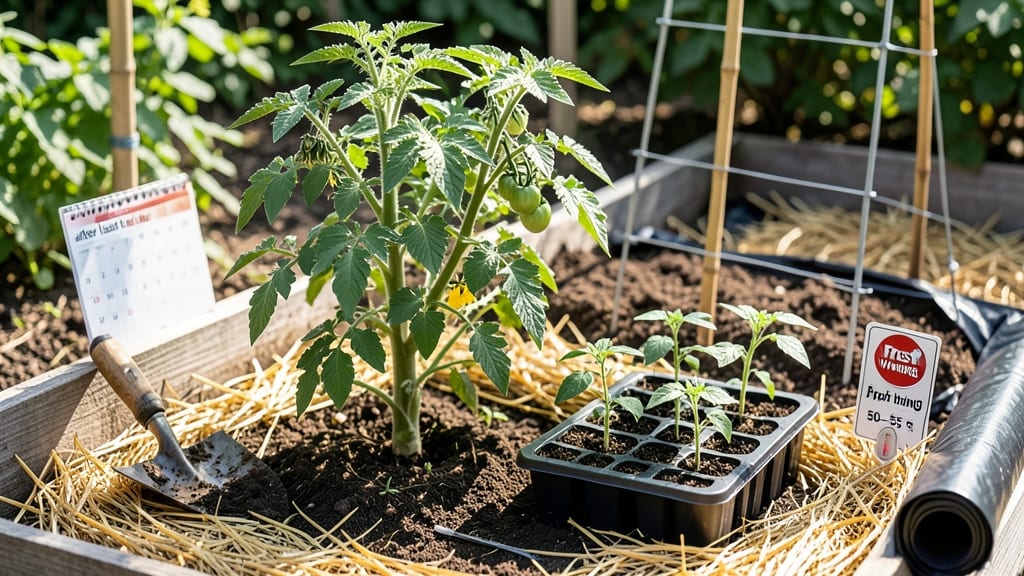
Planting tomatoes in Ohio at the wrong time can mean the difference between a bountiful harvest and wasted effort—especially when your soil isn’t warm enough for those 🍅 seeds to sprout fast.
The key to success lies in waiting for the perfect moment when soil temperatures hit 60°F, a rule that transforms Ohio’s 6a zone from a gamble into a guaranteed harvest.
You’ve probably heard the general advice to plant after the last frost, but that’s only part of the story. Without checking soil warmth, you risk stunted growth or seedlings that never emerge.
I’ll show you how to use simple tools and local cues to pinpoint the fastest germination window—because in Ohio’s unpredictable spring, timing is everything.
From northern Ohio’s cooler pockets to the warmer southern regions, microclimates create big differences in when you should put those seedlings in the ground.
We’ll break down the exact dates for your area and share pro tips to extend your growing season, so you’re harvesting tomatoes from July through September—not just for a few weeks.
Ready to skip the guesswork and grow tomatoes that thrive from seed to vine? Let’s dive into the science-backed strategies that’ll have your garden producing juicy, homegrown tomatoes faster than you’ve ever seen in Ohio.
Ohio’s ideal tomato planting window: soil temperature rules for fast germination
Ohio’s tomato planting season hinges on two critical factors: soil temperature and last frost dates. While the average last frost date for Ohio falls around April 15, your actual planting window depends on when your soil warms to 55–60°F—the sweet spot for tomato seed germination.
Northern Ohio’s cooler microclimates may delay planting by 2–3 weeks compared to southern Ohio’s urban heat islands.
Skipping soil temperature checks is a common mistake—even if air temps feel spring-like, cold soil can stall germination for weeks. I’ve seen seedlings rot in damp, chilly soil, only to sprout days later when temps finally rose.
Using a soil thermometer ($10 at garden centers) eliminates guesswork and ensures your tomato seeds or seedlings thrive from day one.
Here’s the golden rule: Wait until soil reaches 60°F for direct sowing or 55°F for transplanting seedlings. In northern Ohio (USDA Zone 5b), this often means late May plantings, while southern Ohio (Zone 6a) can start as early as mid-April.
Microclimates matter—urban gardens near buildings may warm faster than rural fields.
🌱
A soil thermometer becomes your best friend when Ohio’s weather swings between 40°F nights and 70°F days. I check temps at 10 AM for consistency—morning readings can be misleading after cold nights.
For direct-sown seeds, aim for 60°F+; seedlings tolerate slightly cooler 55°F soil but grow faster when warmer.
Pro tip: Black plastic mulch raises soil temps by 5–10°F, letting you plant 1–2 weeks earlier in northern Ohio. Lay it down 1–2 weeks before planting to let it warm the ground.
Pair this with row covers for an extra 2–3°F boost during cool snaps. I’ve seen tomato seedlings outpace neighbors’ by 2 weeks using this combo!
Don’t overlook microclimates—your backyard might be 5°F warmer than the official weather station. South-facing slopes, paved surfaces, and brick walls create pockets where soil warms earlier. Test multiple spots with your thermometer to find the fastest-warming zone for your tomatoes.
If you’re starting seeds indoors, begin 6–8 weeks before your region’s last frost date. Seedlings need 70°F soil in their trays, so use a seedling heat mat ($15) until they develop their first true leaves. Harden off seedlings for 7–10 days before transplanting into 55°F+ soil.
🌿
For late-summer harvests, try a second planting of fast-maturing varieties like ‘Early Girl’ (55 days) in early June. Choose heat-tolerant types (e.g., ‘Solar Fire’) that thrive in Ohio’s 85°F+ July temps. Just ensure soil stays above 60°F—even in summer, cool nights can slow growth.
Remember: Rushing planting risks frost damage, while <
How to extend Ohio’s tomato growing season with smart planting strategies
Ohio’s short growing season can feel like a race against time, but with the right strategies, you can push your tomato harvests well into fall. The key is starting early—both with seeds and soil prep—to give your plants a head start.
By combining indoor seed starting with soil-warming tricks, you can turn Ohio’s unpredictable spring into a tomato-growing powerhouse.
For me, the secret lies in two simple but powerful tactics: early seed starting and soil temperature control.
When I begin my ‘Early Girl’ tomatoes indoors 6–8 weeks before Ohio’s last frost (around April 15), I’m not just beating the clock—I’m giving my plants a 4–6 week advantage over garden-center seedlings.
Pair that with black plastic mulch, and you’ve got a soil that warms up 10–15°F faster than bare earth.
- Start seeds indoors 6–8 weeks before last frost (mid-February for Ohio). Use grow lights for 14–16 hours/day.
- Hardening off seedlings 1 week before transplanting—acclimate them to outdoor temps gradually.
- Use black plastic mulch to raise soil temps by 10–15°F and suppress weeds.
- Choose early varieties like ‘Stupice’ (55 days) or ‘Early Girl’ (60 days) for cooler springs.
- Plant after soil hits 60°F—use a soil thermometer to avoid false starts.
Another game-changer for Ohio gardeners is successive planting. Instead of betting everything on one planting date, I stagger my tomatoes every 2 weeks from late April through early June. This ensures a continuous harvest from July through September.
For example, my first batch of ‘Stupice’ tomatoes (a cold-tolerant variety) goes in late April, while my ‘Better Boy’ plants (a larger variety) get planted in early June when soil temps are ideal.
Don’t overlook the power of row covers or cold frames to extend your season. Even after the last frost, Ohio’s nights can still dip below 50°F, which slows growth. A simple floating row cover adds 5–10°F of protection and can push your harvest 2–3 weeks later.
I’ve seen my ‘Sungold’ cherry tomatoes thrive under covers well into October when left unprotected, they’d have stopped producing by early September.
Finally, soil preparation is non-negotiable. Ohio’s clay-heavy soils can stay cold and waterlogged, so I always amend with compost and raise beds where possible. A bed with 3–4 inches of compost warms up faster and drains better, giving your tomato roots the ideal environment to establish quickly.
I also add a time-release fertilizer at planting to avoid nutrient stress during the critical first 4–6 weeks.
With these strategies, I’ve turned Ohio’s 165-day growing season into a 200+ day tomato festival. The trick isn’t just planting early—it’s controlling the conditions so your plants can perform at their best, no matter what Mother Nature throws at us. Now, who’s ready to start those seeds? 🌱