
Plants
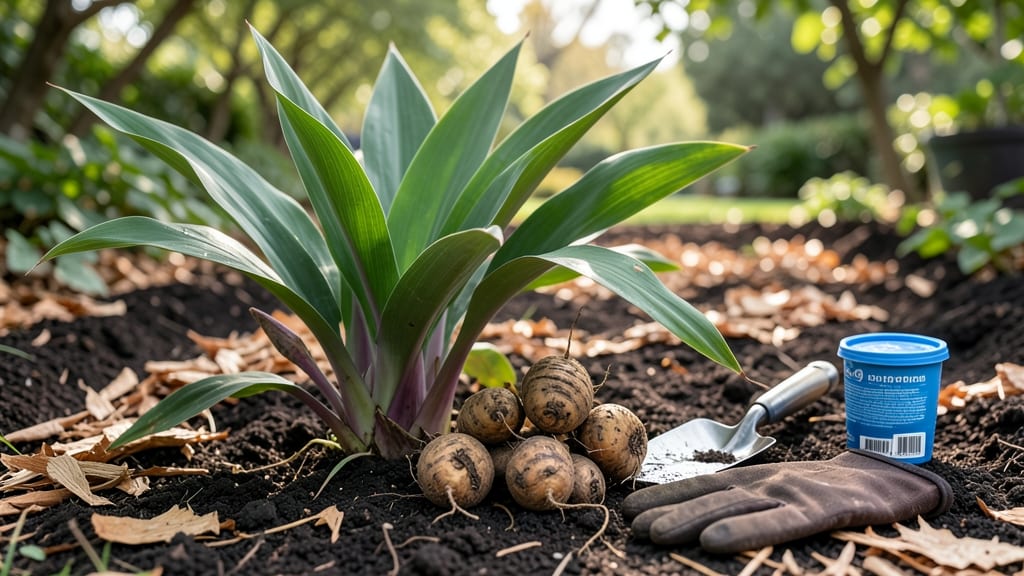
Planting canna bulbs in Texas isn’t just about timing—it’s about outsmarting the state’s unpredictable frost and scorching heat. Too early, and a late freeze will wipe out your 🌺 Canna Lily before it even sprouts; too late, and you’ll miss the vibrant summer blooms you’re craving.
For gardeners in USDA zones 8a-10b, the ideal window shifts depending on where you live: North Texas gardeners should wait until March-May, while those in Central or South Texas can start as early as February.
The key is planting after the last frost—typically around mid-February in the south and mid-March in the north—but before the soil heats up too fast.
What makes Texas canna planting tricky? The brutal summer heat demands extra care, from deep watering to strategic mulching. But with the right approach, your Canna Lily will thrive, rewarding you with bold foliage and showstopping blooms from July through October.
Let’s break down the exact timeline, heat-zone tips, and pro moves to ensure your cannas survive—and flourish—in Texas’ extreme climate. Ready to transform your garden into a tropical oasis?
Texas heat zones & frost dates: the exact timeline for planting canna bulbs
Texas’ 9 distinct heat zones and unpredictable frost patterns make canna bulb planting a high-stakes game of timing. Unlike northern states, where frost is a predictable late-spring threat, Texas gardeners must navigate both early cold snaps and scorching summer heat—all while ensuring vibrant summer blooms from your canna lilies (🌺).
The key? Planting in one of three critical windows tailored to your zone.
Canna bulbs thrive in USDA zones 8a-10b, but Texas’ North vs. South divide creates dramatic differences in frost dates. In North Texas (zone 8a), the last frost typically hits around February 15, while South Texas (zone 10a) sees frost-free winters entirely.
This means March planting in the Panhandle could spell disaster, while February planting in the Rio Grande Valley is perfectly safe.
Here’s the zone-by-zone breakdown you need to avoid frost damage and maximize bloom time—plus the three foolproof planting windows that work across Texas.
Texas’ three planting windows—spring, summer, and fall—each offer unique advantages (and risks). Spring planting (March–April) is the safest bet for most zones, giving cannas 3–4 months to establish roots before summer heat peaks. Summer planting (June–July) is risky in North Texas but works in South Texas zones 9b+, where humidity helps offset heat.
Fall planting (September–October) is a game-changer for North Texas gardeners. By planting in late summer, cannas establish roots before winter and bloom earlier the following year. However, avoid planting after October 15—new growth won’t harden off before frost.
In South Texas, fall planting lets you enjoy winter blooms, a rare treat in the Lone Star State.
One critical mistake Texas gardeners make? Planting too early. Canna bulbs rot in cold soil, and frost will kill tender shoots. Always check soil temperature with a soil thermometer—aim for 60°F+ before planting.
In North Texas, this often means waiting until mid-April, while South Texas gardeners can start as early as January.
For maximum blooms, pair your planting timeline with proper bulb care. After planting, mulch heavily (3–4 inches of straw or
Spring vs. fall planting: which works Best in Texas and why?
In Texas, spring and fall planting both work for cannas, but the best choice depends on your USDA zone and local climate. North Texas gardeners face earlier frosts, while South Texas enjoys longer growing seasons.
Spring planting (March–April) aligns with soil warming, but fall (September–October) extends blooms into cooler months—if you act fast to avoid early frost.
Canna bulbs thrive when soil temperatures hit 60°F, a threshold reached in March across most of Texas.
However, fall planting risks frost damage if bulbs don’t establish roots before December 1 in North Texas. Spring planting guarantees a head start, but late spring heat can stress young plants without proper care.
Soil temperature is the deciding factor. Use a soil thermometer to confirm 60°F+ before planting. In North Texas, aim for March–April to avoid late frosts. South Texas gardeners can push planting to April–May safely, thanks to milder winters.
Spring Planting
- ✅ Best for North Texas (avoids frost risk)
- ✅ Longer bloom season (summer–fall)
- ✅ Warmer soil speeds germination
Fall Planting
- ✅ Extends blooms into fall (if planted early)
- ✅ Less drought stress (cooler temps)
- ❌ Frost risk in North Texas
- ❌ Summer heat stress for young plants
- ❌ Requires consistent watering (drought risk)
- ❌ Limited time window (must plant before frost)
- ❌ Slower establishment in cooler soil
For North Texas, spring planting is the safest bet. Wait until after April 15 to ensure soil is warm enough.
In South Texas, you can plant as late as May and still enjoy blooms through October. Fall planting is riskier but works if you plant by September 15 and mulch heavily.
To extend the growing season, use black plastic mulch in spring to warm soil faster. In fall, straw mulch insulates bulbs and delays frost damage. Container gardening also helps—move pots indoors before frost if you plant late in fall.
Ultimately, spring planting wins for most Texas gardeners. It’s low-risk, guarantees blooms, and avoids the frost gamble of fall. But if you love fall color, act fast in September with protective mulch.