
Plants
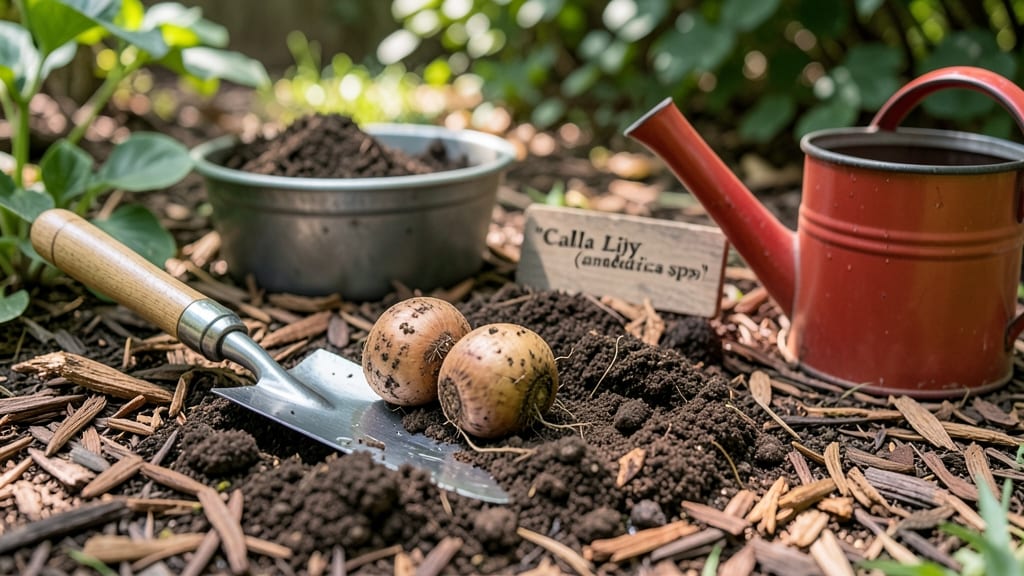
Planting calla lily bulbs in Ontario at the wrong time can leave you staring at frozen soil instead of vibrant blooms—and nobody wants that! The key to success lies in timing your planting perfectly after the last frost, when the soil is warm enough to encourage strong root growth.
For gardeners in Ontario’s 5a-6b zones, late April to early May is your ideal window, but frost dates vary by region. Waiting until all danger of frost has passed ensures your 🌸 calla lilies thrive rather than wither.
Let’s break down the exact steps to get your bulbs in the ground at the perfect moment.
Why does timing matter so much? Calla lilies need 90-120 days of warm weather to bloom, and planting too early risks frost damage, while waiting too long cuts short their growing season. I’ll show you how to check soil temperatures and adjust your schedule for maximum success.
Whether you’re a seasoned gardener or just starting, these tips will help you avoid common mistakes and enjoy stunning calla lilies from July through September. Ready to turn your garden into a showstopper? Let’s get started!
Ontario’s frost-free timeline for planting calla lily bulbs (by region)
Timing your calla lily bulb planting in Ontario is all about beating the last frost while giving roots time to establish. These stunning Zantedeschia plants thrive when planted after soil temperatures consistently reach 10°C (50°F), signaling safe growth conditions.
In my experience, rushing too early often means frost damage, while waiting too long can delay those showstopping blooms.
Ontario’s climate varies dramatically from south to north, with Zone 6-7 areas like Toronto and London enjoying longer growing seasons, while Zone 4 regions like Sudbury face shorter windows.
Understanding your specific last frost date and soil conditions is key to success—because calla lilies despise cold soil and won’t sprout until it warms up.
| Region | USDA Zone | Avg Last Frost | Soil Temp | Planting Window | Bloom Time |
|---|---|---|---|---|---|
| Southern Ontario (London, Windsor) | 6a-7a | May 1-15 | 10°C+ (50°F+) | Mid-April to May 1 | July-August |
| Central Ontario (Toronto, Hamilton) | 5b-6a | May 10-20 | 10°C+ (50°F+) | Late April to May 10 | July-August |
| Northern Ontario (Sudbury, North Bay) | 4a-5a | May 20-31 | 12°C+ (54°F+) | Late May to June 1 | August-September |
| All Regions (Container Gardening) | N/A | After last frost | 10°C+ (50°F+) | May 15-June 15 | July-September |
For Southern Ontario gardeners in Zones 6-7, the window opens as early as mid-April in sheltered microclimates, but I always wait until after May 1 to ensure safety. The soil needs to stay warm for at least 2-3 weeks before planting—cold soil slows root growth and can lead to rot.
In Central Ontario (Zone 5), like Toronto, I’ve learned to be patient. The average last frost hits around May 15, but I don’t plant until late April only if I’m using black plastic mulch to warm the soil faster.
Without it, I wait until May 10 to be safe—trust me, those calla lily blooms are worth the wait!
Northern Ontario’s Zone 4 growing season is shorter, so I focus on late-May planting when soil temperatures reliably stay above 12°C (54°F). This delay ensures bulbs establish before the first frost in mid-October.
For extra protection, I use straw mulch to insulate roots and extend the season by 2-3 weeks.
Container gardening is my go-to solution for urban Ontario gardeners with limited space or unpredictable frost patterns. Pots warm up faster than garden beds, so I plant after May 15 regardless of zone.
Just ensure containers have drainage holes—root rot from soggy soil is the #1 killer of calla lilies in pots.
Pro tip: Use a soil thermometer to check temperatures before planting. I aim for 10-12°C (50-54°F) at 10cm (4 inches) deep. If your soil is colder, wait another week—calla lily roots need warmth to grow, and cold soil can stunt them for weeks.
Once planted, maintain consistent moisture but avoid waterlogged soil. In my garden, I water deeply 2-3 times per week until blooms appear. Overwatering is just as harmful as underwatering—these plants need their feet moist but not soggy.
Don’t forget to deadhead spent blooms to encourage more flowers. I also add a layer of mulch in late summer to protect bulbs from early frosts. With the right timing and care, your calla lilies will reward you with months of dramatic blooms from summer into fall.
How to extend your calla lily season in Ontario (cold protection tips)
Ontario’s late frosts can cut your calla lily season short, but with the right strategies, you can protect your bulbs and extend blooms well into fall. Even after planting at the ideal time, unpredictable cold snaps can damage tender foliage and buds.
The key is layered protection—combining soil insulation, air insulation, and flexible planting methods to give your calla lilies the best chance to thrive.
For urban gardeners or those in shorter-season zones, container gardening offers flexibility to move plants indoors or under cover when frost threatens. Meanwhile, traditional gardeners can use mulching and frost cloths to shield bulbs from temperature drops.
Let’s explore these practical, low-cost solutions to keep your calla lilies blooming longer in Ontario’s climate.
5 Cold Protection Tips for Ontario Gardeners
- 1. Mulch Heavily – Apply 4-6 inches of straw or shredded leaves over soil to insulate bulbs. Replenish after rain to maintain thickness.
- 2. Use Frost Cloth – Drape lightweight frost cloth over plants when nighttime temps drop below 10°C (50°F). Secure edges with rocks or clips.
- 3. Container Gardening – Plant bulbs in pots filled with well-draining mix. Move containers to a sheltered spot or garage during frost warnings.
- 4. Group Plants – Cluster calla lilies together to create a microclimate that traps heat and reduces wind exposure.
- 5. Plant Near Structures – Position beds close to south-facing walls or fences to absorb and retain warmth during cold snaps.
If you’re growing calla lilies in containers, choose pots with drainage holes and fill them with a mix of potting soil and perlite to prevent waterlogging—a common issue in Ontario’s wet springs.
Before the first frost, bring containers indoors to a cool, bright location (like a garage or basement) and reduce watering. This mimics their natural dormancy period and prepares them for replanting next spring.
For gardeners in Northern Ontario (Zone 4), where frost-free periods are shorter, consider planting bulbs in raised beds. The elevated soil warms faster in spring and drains better, giving your calla lilies a head start.
Add a clear plastic dome (like a large cloche) over new shoots to create a mini greenhouse effect during early spring.
Remember, deadheading spent blooms encourages new growth and prolongs the flowering season. As temperatures drop in late summer, reduce fertilization to half-strength to help plants harden off for winter. With these strategies, you’ll enjoy stunning calla lilies well into September—or even October—in Ontario’s climate!