
Plants
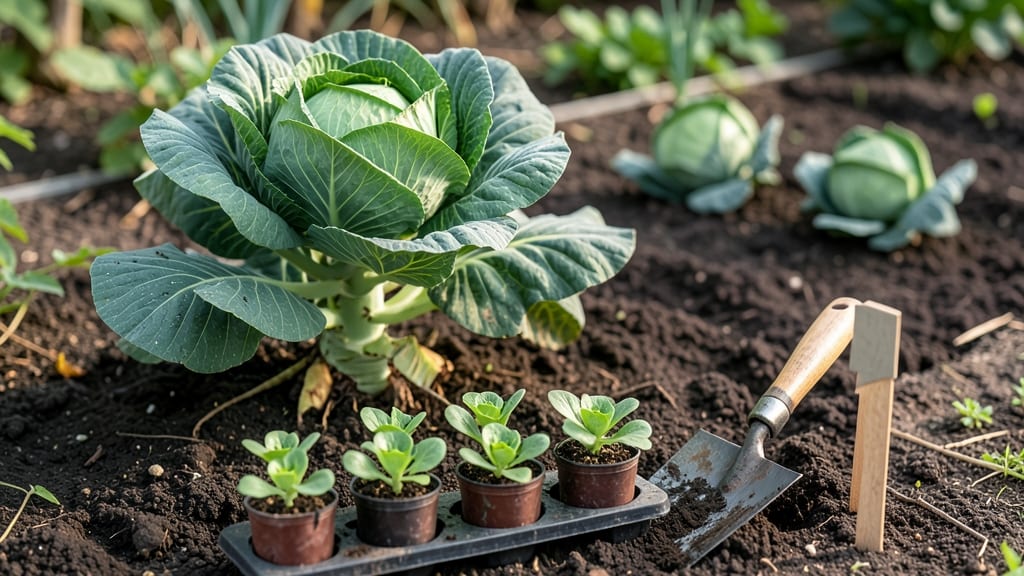
Planting cabbage in Zone 8a at the wrong time can mean bitter disappointment—your crisp, sweet heads turn bitter or bolt before harvest. But get the timing right, and you’ll enjoy fresh 🥬 from spring through fall without the stress.
Most gardeners in Zone 8a focus on spring planting, but late summer is your secret weapon for a second harvest. The key? Planting 6-8 weeks before your last frost in February-March for spring, or 10-12 weeks before the first frost in August-September for fall.
Miss these windows, and heat or cold will trigger bolting.
I’ve learned the hard way—skipping soil prep or ignoring microclimates (like shady spots) can ruin your crop. But with the right schedule, you’ll avoid common mistakes and enjoy cabbage that stays firm and delicious until harvest.
Let’s break down the exact months, heat tolerance tricks, and backup plans to keep your cabbage thriving—no matter what Zone 8a throws at you.

Zone 8a cabbage planting calendar: exact months to avoid bolting
Cabbage thrives in Zone 8a’s mild winters and warm springs—but only if planted at the perfect times. Miss the window, and your plants will bolt (send up flower stalks) before forming heads.
The key is planting 6-8 weeks before your last frost in spring or 10-12 weeks before your first frost in fall. For most of Zone 8a, that means February-March for spring and August-September for fall harvests.
Zone 8a’s heat tolerance threshold is critical: cabbage bolts when soil temps hit 80°F (27°C) consistently. Summer’s brutal heat (June-August) forces most gardeners to skip mid-season planting entirely. Instead, focus on early spring or late summer windows when temps stay cooler.
To calculate your last safe transplant date, subtract 6-8 weeks from your average last frost (typically February 15 in Zone 8a). For fall, subtract 10-12 weeks from your first frost (usually November 15).
Use a soil thermometer to confirm temps stay below 80°F (27°C)—cabbage roots struggle above this threshold.
For succession planting, stagger transplants every 2-3 weeks in spring (February-April) to extend harvests. In fall, plant two batches: one in early August and another in mid-September. This ensures a continuous supply without bolting risks.
Zone 8a’s microclimates matter: Coastal areas stay cooler longer, while inland zones hit 90°F (32°C) earlier. Adjust planting dates 1-2 weeks later in hotter inland spots. Shade cloth (30-50%) can push summer planting 2-3 weeks later for heat-tolerant varieties like ‘Cavalo’ or ‘Golden Acre’.
Never plant cabbage seeds directly in summer heat—they’ll bolt within weeks. Start seeds indoors 4-6 weeks before transplanting or buy transplants from nurseries. Harden off seedlings for 7-10 days before moving them to the garden to reduce stress.
Watch for bolt-resistant signs: elongated stems, yellowing leaves, or flower buds. If you spot these, harvest what you can and compost the rest—bolted cabbage won’t regrow heads. Mulch heavily with straw to keep soil cool and retain moisture, which delays bolting by 1-2 weeks.
Pro tip: Plant cabbage near dill or onions to deter pests like cabbage moths, which stress plants and increase bolting risk. Avoid planting near tomatoes or strawberries, which compete for nutrients and weaken your cabbage.
With these precision planting dates and heat-management tricks, you’ll enjoy crisp, sweet cabbage heads twice a year—no bitter surprises. Start your calendar now and mark those February and August deadlines!
How to extend your cabbage season in Zone 8a heat
Zone 8a’s summer heat can turn your cabbage dreams into sad, bolted stalks—but with the right strategies, you can enjoy crisp heads even when temperatures hit 90°F. The key lies in heat-resistant varieties, succession planting, and strategic shade.
I’ve grown ‘Cavalo’ and ‘Golden Acre’ through multiple Zone 8a summers, and here’s how to replicate their success.
Start by selecting heat-tolerant varieties like ‘Cavalo’ (a savoy type) or ‘Golden Acre’ (a sweet, golden cabbage). These varieties handle 85-90°F temperatures better than standard types, delaying bolting by 2-3 weeks. Pair them with shade cloth (30-50% coverage) during peak afternoon heat to protect young plants.
- 🌱 Plant succession crops every 2 weeks from August 15-September 15 for fall harvests. This ensures a continuous supply before frost.
- ☀️ Use shade cloth (30-50%) from 11 AM-3 PM during 90°F+ days to prevent heat stress on young plants.
- 💧 Water deeply at soil level every morning (1-2 inches/week) to maintain moisture without wetting leaves.
- 🌿 Mulch with straw (2-3 inches) to retain soil moisture and keep roots 10°F cooler during heatwaves.
- ✂️ Harvest outer leaves to reduce plant stress and extend the season by 3-4 weeks.
For succession planting, sow seeds every 2 weeks from mid-August through early September. This staggered approach ensures you’re always harvesting young, tender heads before the first frost. In my garden, this method gave me harvests from October through December, even with summer temperatures lingering in the 80s°F.
Don’t overlook soil preparation. Amend beds with compost and aged manure before planting to improve water retention. I add a 1-inch layer of compost every 4 weeks during active growth to replenish nutrients lost in the heat. This keeps plants vigorous enough to resist bolting.
If your cabbage starts to bolt prematurely, act fast. Snip the flower stalks immediately to redirect energy to head formation. In my experience, this buys you 2-3 more weeks of harvestable heads.
For extreme heat (above 95°F), consider moving containers to a shadier spot or even indoors near a south-facing window.
With these techniques, you can enjoy homegrown cabbage well into Zone 8a’s fall—no bitter disappointment in sight. The secret? Heat-resistant varieties, shade protection, and consistent care keep your plants happy even when the thermometer climbs. 🥬