
Plants
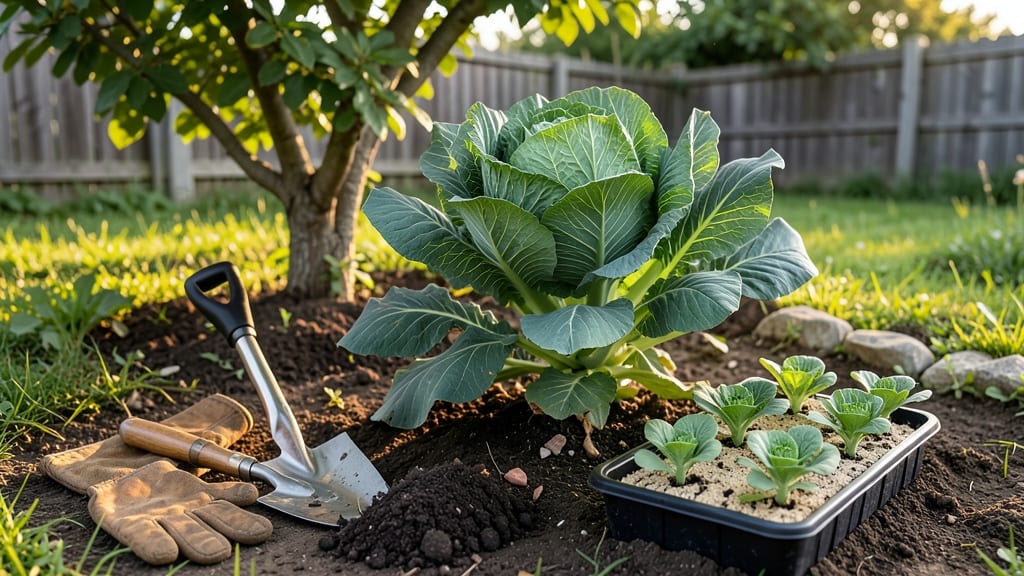
Planting cabbage in Zone 7b at the wrong time can turn your crisp, sweet harvests into bitter, bolted disappointment—but timing it right unlocks the secret to garden success.
The key isn't just following calendar dates; it's all about soil temperature triggers that keep your 🥬 thriving from early spring through fall.
Most gardeners in Zone 7b make the mistake of planting too early when the ground is still chilly, or too late when summer heat sets in. I've learned the hard way that cabbage needs soil temperatures between 45°F and 65°F to establish strong roots and resist bolting.
That means your planting window actually shifts based on whether you're growing early varieties for spring harvests or late varieties for fall.
Here's what you need to know: Start seeds indoors 4-6 weeks before your last frost date (around mid-April in 7b), then transplant seedlings when soil warms to at least 50°F.
For fall harvests, aim to plant in late summer (August-September) when temperatures begin cooling—this gives your cabbage time to mature before frost hits in mid-November.
Ready to grow cabbage that's sweet, crisp, and ready to harvest? I'll walk you through the exact soil temperature triggers, variety timing, and succession planting strategies that have worked perfectly in my Zone 7b garden—and how to avoid the 5 most common mistakes that cause bolting.
Let's get those plants in the ground at the perfect moment.

Zone 7B cabbage planting timeline by soil temperature (not calendar dates)
Forget relying on calendar dates alone—soil temperature is the real game-changer for growing sweet, bolt-free cabbage in Zone 7B. Cabbage thrives when soil stays between 45°F and 65°F, and planting outside this range can trigger bitter flavors or premature flowering.
I’ve learned the hard way that even a 5°F swing can ruin a harvest, so let’s break down the optimal soil temp windows for your Zone 7B garden.
Zone 7B’s last frost date typically falls around mid-April, but soil warms slower than air.
A soil thermometer (just $10 at garden centers) is your best tool—plant too early when soil is still below 45°F, and roots struggle; wait too long past 65°F, and heat stress kicks in.
The key is timing plantings to match these soil temp triggers for both spring and fall crops.
Your first planting window opens when soil hits 45°F in early spring—typically late February to March in Zone 7B. For direct sowing, wait until soil reaches 55°F (usually April) to avoid slow germination or damping off.
Pro tip: Use a black plastic mulch to warm soil faster if your spring is slow to arrive.
Bolting is the #1 enemy of Zone 7B cabbage growers, and heat stress triggers it when soil temps exceed 65°F. That’s why I always plant late summer crops in August—so they mature before fall temperatures drop.
For fall harvests, aim to transplant when soil is 55°F–60°F (usually September) to give plants enough time to form heads before frost.
If you’re growing early varieties (like 'Golden Acre' at 50 days), you can push the spring planting window slightly later—even into early May—as long as soil stays below 65°F.
For late varieties (like 'Red Express' at 80 days), start seeds indoors in July and transplant when soil cools to 60°F in late August.
One critical mistake I see often is planting based on air temperature alone. A 70°F day can hide 50°F soil, stalling growth. Always check soil temp in the morning (afternoon sun can skew readings).
For container gardening, soil warms faster—adjust your planting timeline 1–2 weeks earlier than in-ground beds.
To extend your harvest, try succession planting: Sow every 2 weeks from March to May for spring crops, and every 3 weeks from July to August for fall. This ensures a continuous supply of fresh cabbage, even if one batch bolts due to unexpected heat waves.
Just remember: Never plant cabbage when soil is above 65°F—it’s a fast track to bitter, inedible heads
How to adjust planting for early vs late varieties in Zone 7B
In Zone 7B, choosing between early-maturing (45-60 days) and late-maturing (70-90 days) cabbage varieties lets you extend your harvest season. Early varieties like 'Early Jersey Wakefield' are perfect for spring, while late varieties like 'Golden Acre' shine in fall.
The key lies in succession planting—staggering your plantings to avoid gaps in fresh cabbage.
Early varieties need to hit the ground when soil temps reach 45°F-50°F—typically late February to early March in Zone 7B. Late varieties, however, thrive when planted in late July to early August for a fall harvest.
This timing ensures they mature before the first frost (mid-November) without bolting from summer heat.
- Early Varieties (45-60 days): Plant 4-6 weeks before last frost (late Feb–early March) for spring harvest. Example: 'Golden Ball' matures in 55 days—ideal for early eating.
- Late Varieties (70-90 days): Plant 10-12 weeks before first frost (late July–early August) for fall harvest. Example: 'Red Express' takes 80 days—perfect for cooler weather.
- Succession Planting: Sow every 2-3 weeks in spring (March–April) or every 3-4 weeks in summer (June–July) for continuous harvests.
- Soil Temp Check: Use a soil thermometer—plant when temps are 45°F-65°F. Early varieties tolerate cooler soil; late varieties need warm soil (55°F+) to thrive.
- Frost Protection: For fall plantings, use row covers if temps dip below 30°F to prevent frost damage.
For spring plantings, focus on early varieties to beat the heat. Start seeds indoors 6-8 weeks before transplanting (around early February) to give them a head start. Harden off seedlings for 7-10 days before moving them to the garden, ensuring they’re 3-4 inches tall with 4-5 true leaves.
In summer, shift to late varieties and use shade cloth (30-50%) if daytime temps exceed 80°F. This prevents bolting and keeps heads tight. Water deeply in the morning to maintain moisture without encouraging fungal diseases like downy mildew.
To maximize your harvest, pair early and late varieties in the same bed. For example, plant 'Early Jersey Wakefield' in March and 'Red Express' in August. This ensures you have fresh cabbage from May through November, with minimal downtime. Just remember: rotate planting locations yearly to prevent soil-borne diseases.
Pro tip: Save seeds from your best heads! Let a few plants bolt and go to seed in late summer—store the seeds in a cool, dry place for next year’s DIY cabbage. This saves money and ensures varieties suited to your Zone 7B microclimate.