
Plants
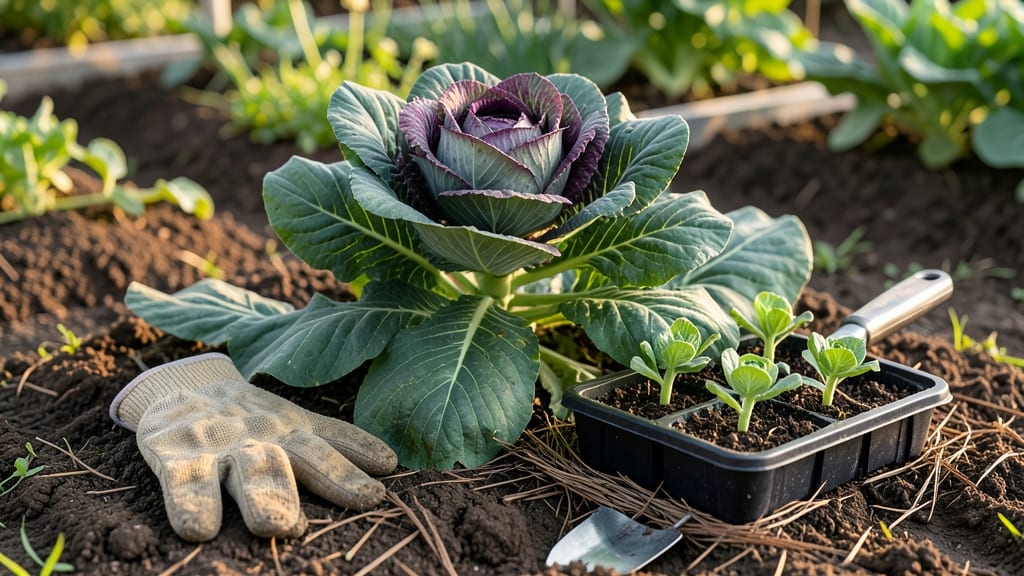
Planting 🥬 cabbage in Missouri at the wrong time means bitter disappointment—your heads might bolt before they even form. The key to crisp, flavorful harvests lies in timing your plantings 4-6 weeks before the last frost in spring or 10-12 weeks before the first frost in fall.
Missouri’s 5b-6b zones give you two prime windows: March 15–April 30 for spring and July 15–August 15 for fall. But here’s the catch—skipping these dates risks heat stress or frost damage, turning your garden into a science experiment instead of a harvest.
Let’s break down the exact months for your region to avoid common mistakes.
Why does timing matter so much? Cabbage thrives in cooler weather, and Missouri’s summer heat can trigger bolting—where plants send up flowers instead of heads. By planting at the right time, you’ll skip the guesswork and enjoy June-July and October-November harvests without the stress.
Ready to grow cabbage like a pro? I’ll walk you through adjusting for microclimates, soil prep, and even how to handle Missouri’s unpredictable frost dates. Let’s get those 🥬 heads growing right.
Best planting months for cabbage in Missouri by hardiness Zone
Missouri’s five USDA hardiness zones (5a-7b) create dramatic differences in cabbage success. Planting at the wrong time can trigger bolting (premature flowering) or winter kill—so timing matters more than most gardeners realize. The key is to align your planting with cool-season windows while avoiding summer heat stress.
For spring cabbage, seed directly 4-6 weeks before your last frost date. In Missouri’s northern zones (5a/5b), this means mid-March to early April. Southern zones (6a-7b) can wait until late March to mid-April.
Fall plantings should go in 75-90 days before first frost, typically mid-July to early August.
Bolting risk is your biggest enemy in Missouri’s summer heat. Cabbage plants bolt when temperatures exceed 80°F for prolonged periods. That’s why fall plantings are often more reliable than spring in southern Missouri (zones 6a-7b). Northern regions (5a/5b) can handle earlier spring starts due to cooler soils.
Here’s your zone-by-zone planting calendar for zero-bolt, high-yield cabbage:
| Zone | Spring Planting Window | Fall Planting Window | Key Considerations |
|---|---|---|---|
| 5a (Northern MO) | Mid-March to early April | Mid-July to early August | Soil warms slowly; use row covers for frost protection |
| 5b (Central MO) | Late March to mid-April | Late July to early August | Balanced climate; both seasons work well |
| 6a (Southern MO) | Late March to early April | Early July to mid-August | Hot summers; prioritize fall plantings |
| 6b (Southeast MO) | Early April to mid-April | Early July to early August | Longer growing season; second fall crop possible |
| 7b (Extreme SE MO) | Mid-April to early May | Mid-July to late August | Heat-tolerant varieties recommended; shade cloth helps |
In Zone 5a, where winters are harshest, focus on early spring starts (March) and late fall plantings (August). Use black plastic mulch to warm soil faster in spring. For Zone 7b, where summers are longest, shade cloth (30-50%) during July-August can prevent bolting in spring plantings.
Missouri’s unpredictable spring frosts make timing critical. Always check your local frost dates (average last frost: April 15; first frost: October 15), but be ready to adjust. For example, St. Louis (Zone 6b) saw a late frost in April 2021 that wiped out unprotected seedlings.
Pro tip: Direct sow rather than transplanting. Cabbage seedlings hate root disturbance, and Missouri’s hot, dry winds stress them further. If you must transplant, do it on a cloudy day and keep plants well-watered for 2 weeks afterward.
For fall crops, start seeds indoors 4-6 weeks before transplanting to give them a head start.
Remember: Soil temperature matters as much as air temperature. Cabbage germinates best in soils 45-85°F. Use a soil thermometer—if your soil hits 85°F in spring, delay planting until it cools. In Zone 6a-7b, this often means waiting until late April for spring plantings.
For winter survival, focus on cold-hardy varieties like ‘Winterbor’ or ‘January King’. These can tolerate 10-15°F temperatures when mature. In Zone 5a, add straw mulch (4-6 inches) around plants in late fall to insulate roots.
In Zone 7b, where winters are milder, you can even harvest into December with proper protection.
Missouri’s microclimates add another layer of complexity. If you’re in a river valley (like the Bootheel), plant 2 weeks earlier than zone guidelines—these areas warm up faster.
Highland regions (like Ozarks) should delay by 1 week due to cooler soils. Always observe your specific location’s patterns for 2-3 years to refine your timing.
How to adjust planting dates for Missouri’s microclimates
Missouri’s diverse landscapes—from the Ozark highlands to the Mississippi River valleys—create microclimates that can shift your cabbage planting dates by weeks. If you live in a urban heat island like St. Louis, your soil warms faster than rural areas, while highland regions like the Ozarks stay cooler longer.
These differences mean the last frost date can vary by 10-14 days across the state.
To avoid bolting (when cabbage flowers prematurely) or stunted growth, you’ll need to adjust your planting timeline based on your specific location. Start by checking your USDA hardiness zone (Missouri ranges from 5a-7b) and then fine-tune using soil temperature and local frost data.
For example, St. Louis (Zone 6b) can plant 2 weeks earlier than Sedalia (Zone 6a), even if they’re just 50 miles apart.
Here’s how to customize your cabbage planting schedule for Missouri’s most common microclimates, plus pro tips to extend your growing season:
- 1 Urban Areas (e.g., St. Louis, Kansas City): Plant March 1–15 for spring or July 20–August 5 for fall. Soil warms faster in cities, so use row covers if nights dip below 40°F.
- 2 Highland Regions (e.g., Ozarks): Delay until March 15–April 1 for spring or August 1–15 for fall. Cooler nights slow germination, so start seeds indoors 4–6 weeks before transplanting.
- 3 River Valleys (e.g., Mississippi River): Plant February 20–March 10 for spring or July 10–20 for fall. Warmer microclimates allow earlier starts, but watch for heat stress—use shade cloth if temps exceed 85°F.
- 4 Extend Your Season: Use cold frames or low tunnels to plant 2 weeks earlier in spring or 2 weeks later in fall. Soil thermometers are your best friend—aim for 45°F+ for germination.
- 5 Frost Dates Matter: Check your local first and last frost dates (e.g., St. Louis: April 15 last frost, Oct 15 first frost). For fall cabbage, plant 10–12 weeks before frost to ensure heads mature before cold sets in.
If you’re unsure about your microclimate, observe your garden for a season. Note when nearby tomatoes or peppers ripen—these give clues about your local growing conditions. For example, if your tomatoes ripen by August 1, your fall cabbage should be planted by June 15 to avoid bolting.
Pro tip: Direct-sow hardy varieties like ‘Golden Acre’ or ‘Early Jersey Wakefield’ in early spring, but start heat-tolerant varieties (e.g., ‘Cavalo’) indoors in May for a summer crop. This two-pronged approach ensures you have cabbage ready to harvest year-round, even in Missouri’s unpredictable climate.