
Plants
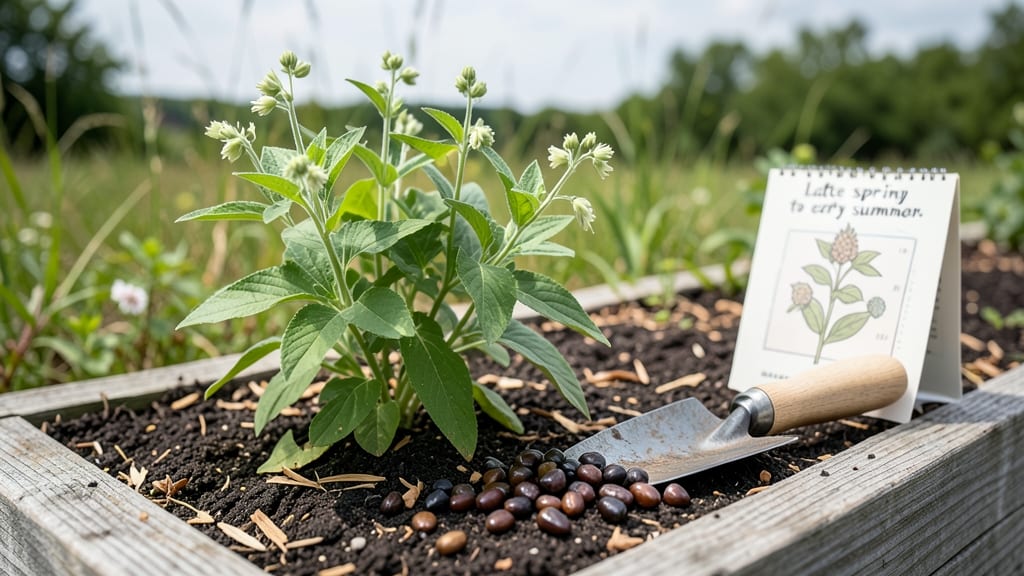
Timing your buckwheat 🌾 planting in North Carolina could make or break your harvest—especially when frost dates shift from the coast to the mountains. Plant too early, and you risk losing tender shoots to late frosts; too late, and your crop might bolt before reaching full maturity.
I’ve grown buckwheat across USDA zones 7a-8b and learned the hard way that March-April is the sweet spot for spring plantings, while late summer offers a second chance for fall harvests.
Whether you’re growing it for grain, greens, or as a cover crop, getting the timing right means fewer wasted seeds and more bountiful yields.
Let’s break down the exact frost-free windows by region—from the Coastal Plain’s milder winters to the Piedmont’s earlier springs—so you can plant with confidence. You’ll also discover how to stretch your harvest with succession planting and avoid common mistakes that turn promising crops into flops.
Ready to grow buckwheat like a pro? I’ll walk you through the best months, soil prep tricks, and even how to tell when your plants are truly ready for harvest. No more guesswork—just a foolproof plan tailored to your corner of North Carolina.
NC buckwheat planting dates by heat zone (5-11)
North Carolina’s diverse USDA heat zones (5a-8b) create unique frost-free windows for planting buckwheat (🌾). In cooler mountain regions (5a-6b), like Asheville or Boone, you’ll want to wait until mid-April to avoid late spring frosts.
Meanwhile, coastal areas (7a-8b), such as Wilmington or Morehead City, can start as early as late February for a spring harvest. Understanding these zone-specific timelines ensures your buckwheat thrives without frost damage.
Buckwheat is a fast-growing annual that tolerates poor soil and drought, making it ideal for NC’s variable climate. However, planting too early in cooler zones risks frost damage, while delaying in warmer zones may reduce yield potential.
The key is aligning your planting dates with your local last frost date—typically March 15 in the Piedmont and April 15 in the Mountains. Let’s break down the optimal planting windows by heat zone.
📌 CRITICAL TIP: Use succession planting every 2-3 weeks for continuous harvests, especially in zones 7a-8b, where the growing season extends into late fall. This strategy maximizes your buckwheat yield and minimizes wasted effort.
In USDA zones 5a-5b, like Asheville or Boone, buckwheat should only be planted after April 15 to avoid frost damage. These mountain regions have the shortest growing seasons, so focus on summer planting (July-August) for a late-season harvest.
If you’re in zone 6a-6b (Piedmont), such as Greensboro or Raleigh, you can start as early as late March for a spring crop or June-July for summer.
For coastal NC (zones 7a-8b), including Wilmington or Morehead City, the frost-free window expands significantly. You can plant as early as February for a spring harvest or April-June for summer. This extended season allows for multiple plantings, ensuring a continuous supply of greens or grain.
Always check your local frost dates—they can vary by 1-2 weeks even within the same zone.
Soil temperature is another critical factor. Buckwheat germinates best in soil temps above 50°F (10°C). In cooler zones, wait until the soil warms—usually mid-April—before planting. Use a soil thermometer to monitor temps if you’re unsure. Warmer soil speeds up germination, giving your buckwheat a stronger start and reducing the risk of rot or pests.
If you’re growing buckwheat as a cover crop (to prevent erosion or fix nitrogen), plant it 4-6 weeks before your intended harvest window. This gives it time to establish roots while still allowing for timely termination if needed.
For grain production, aim for a 90-day growing season, which aligns perfectly with spring plantings in zones 7a-8b or summer plantings in zones 5a-6b.
Pro Tip: In zones 7a-8b, consider fall planting (August-September) for a winter harvest. Buckwheat is cold-hardy once established and can survive light frosts, making it a great late-season option. Just be sure to harvest before hard frosts hit in November, as this can damage the seed heads.
To maximize your buckwheat yield, pair planting with proper spacing. Sow seeds 1 inch deep and 6-12 inches apart in rows 18 inches apart. This spacing allows for good airflow, reducing the risk of fungal diseases like downy mildew.
Thin seedlings to 6 inches apart once they’re 2-3 inches tall to give them room to thrive.
Finally, remember that buckwheat is drought-tolerant but benefits from consistent moisture during germination and flowering. Water deeply 1-2 times per week in dry spells, especially in sandy soils common in coastal NC.
Mulching with straw or grass clippings helps retain moisture and suppress weeds, giving your buckwheat the best chance for success.
Best months to plant buckwheat in NC counties (by region)
North Carolina’s diverse climate means your buckwheat planting schedule should vary by region. The Coastal Plain, Piedmont, and Mountain zones each have unique frost dates and soil conditions that impact when to sow.
In warmer Coastal Plain counties like Brunswick or Dare, you can start as early as mid-March, while Mountain regions like Haywood or Mitchell may need to wait until late April to avoid frost damage.
Buckwheat thrives in warm soil temperatures (at least 60°F) and direct sunlight. The Piedmont—home to Raleigh and Charlotte—offers a sweet spot with May planting ideal for both greens and grain harvests.
Rainfall patterns also play a role: June plantings in drier Mountain areas often succeed better than late spring sowings when moisture is unpredictable.
For cover crop purposes, many gardeners in USDA Zone 7b (like Wake County) plant buckwheat in early July to suppress weeds before fall vegetables. In Zone 8a (Coastal Plain), a late August planting can still produce a harvest before frost.
Always check your last frost date—planting too early in cooler zones risks stunted growth.
- 1 Coastal Plain (Zones 8a-8b): Plant mid-March to April for spring harvests, or late July for fall grain. Soil warms quickly here—wait until soil temps reach 65°F+.
- 2 Piedmont (Zones 7a-7b): Aim for late April to early May to avoid late frosts. Succession plant every 3 weeks for continuous greens. Raleigh’s average last frost is April 15.
- 3 Mountain (Zones 6a-7a): Delay until late May to early June. Asheville’s first frost often hits October 15, so July plantings are ideal for grain. Use black plastic mulch to warm soil faster.
- 4 Adjust for rainfall: In dry years, prioritize June plantings when soil moisture is higher. In wet springs, wait until excess water drains to prevent rot.
- 5 Frost buffer tip: If early frost threatens, cover plants with row fabric at night. Buckwheat tolerates light frosts but may bolt prematurely if stressed.
Pro tip: Use soil thermometers to confirm readiness—buckwheat germinates best at 70°F+. In sandy Coastal Plain soils, add compost to retain moisture, while clay-heavy Piedmont soils benefit from gypsum to improve drainage. Always plant in full sun (6+ hours daily) for optimal growth.
For cover crop purposes, many gardeners in USDA Zone 7b (like Wake County) plant buckwheat in early July to suppress weeds before fall vegetables. In Zone 8a (Coastal Plain), a late August planting can still produce a harvest before frost.
Always check your last frost date—planting too early in cooler zones risks stunted growth.
Remember: Buckwheat’s fast growth cycle (30-50 days to harvest) makes it perfect for succession planting. In Mountain regions, stagger plantings every 2 weeks from June to August for a continuous supply of greens or grain.
With the right timing, you’ll enjoy harvests from July through October—no matter which NC county you’re in! 🌾