
Plants
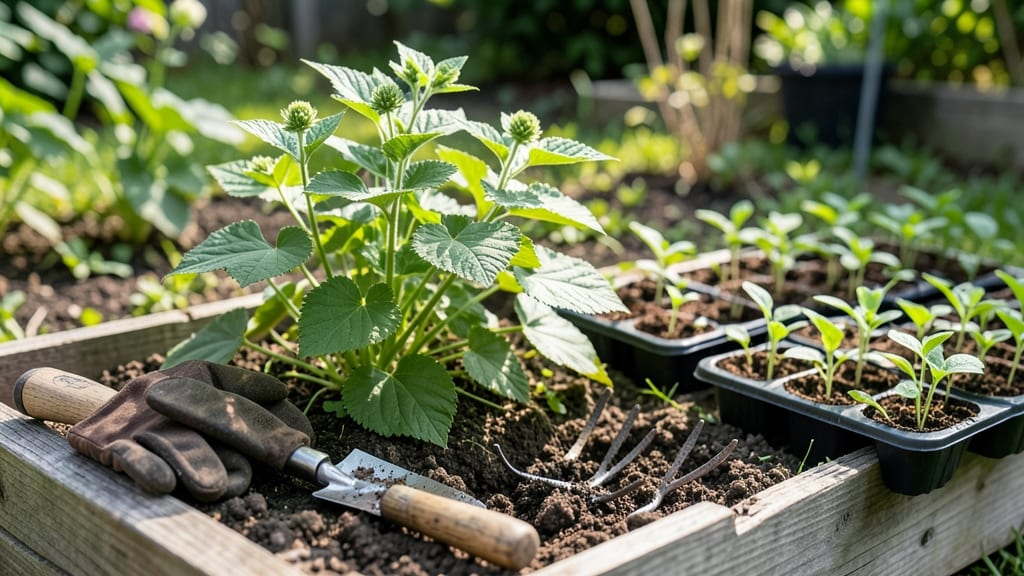
Planting buckwheat at the wrong time in Georgia can turn your hard work into a wasted harvest. This fast-growing crop 🌾 thrives in 7b-8b zones, but timing it right—whether in spring or fall—makes all the difference between a lush, productive patch and a disappointing flop.
Most gardeners in Georgia focus on spring planting, but the real secret lies in those two key windows: late March to early April for spring, or August to early September for fall.
These dates align perfectly with soil temperatures and frost risks, giving your buckwheat the best shot at success.
Why does timing matter so much? Buckwheat hates cold snaps and needs 60°F soil to germinate. Plant too early, and frost will kill it; too late, and you’ll miss the sweet spot for a 60-75 day harvest.
I’ll break down the exact frost-free windows by county and heat zone so you never guess again.
Let’s dive into the details—soil prep, spacing, and care tips—to ensure your buckwheat grows strong, no matter where you are in Georgia. Ready to get started?
Georgia buckwheat planting timeline by heat Zone (7a-8b)
Georgia's diverse heat zones (7a through 8b) create unique planting windows for buckwheat, where timing can mean the difference between a bountiful harvest and wasted seeds.
The USDA zones here range from mild winters in 7a to hot summers in 8b, requiring precise adjustments to avoid frost damage or heat stress.
For spring planting, aim for late March to early April when soil temperatures consistently reach 60°F. In fall, August through early September works best, giving plants 60-75 days to mature before the first frost. Missing these windows risks poor germination or frost-killed seedlings.
Here’s a heat zone breakdown with exact frost dates, soil temp requirements, and ideal planting windows to maximize your buckwheat’s potential:
In Zone 7a, where frost lingers longer, wait until late March for spring planting to avoid cold soil that slows germination. Conversely, Zone 8b’s extended growing season lets you plant as early as February for spring crops or push fall planting into September.
Soil temperature is non-negotiable—buckwheat seeds won’t sprout below 60°F. Use a soil thermometer to confirm readiness. In sandy soils (common in south Georgia), warm up faster, while clay soils in north Georgia may need black plastic mulch to accelerate warming.
For fall plantings, count backward from your zone’s first frost date. Buckwheat needs 60-75 days to mature, so plant 8-10 weeks before frost. In Zone 7a, that’s early September; in Zone 8b, you can stretch it to mid-September.
Pro tip: Direct sow seeds ½ inch deep and 1 inch apart, thinning to 6 inches when seedlings emerge. This spacing prevents crowding and reduces disease risk from poor airflow. Thin seedlings with sharp scissors to avoid disturbing roots.
Watch for heat stress in Zone 8b during summer plantings. If daytime temps exceed 90°F, provide light shade cloth until plants establish roots. Mulch with straw to retain moisture and regulate soil temperature.
Buck
Best counties for buckwheat in Georgia (climate-specific tips)
Georgia's diverse climate means buckwheat thrives differently depending on whether you're in North Georgia's cooler mountains or South Georgia's humid lowlands. Each region has unique planting windows, pest risks, and microclimate factors that can make or break your harvest.
Let's break down the best counties for each region and how to adapt your approach.
In North Georgia counties like Hall and Forsyth, cooler temperatures and higher elevations mean you'll want to plant buckwheat slightly later than in warmer regions. These areas experience earlier frosts and shorter growing seasons, so timing is critical to avoid frost damage while maximizing your harvest window.
Central Georgia, including Fayette and Coweta counties, offers a balance between North and South Georgia. Here, you can push your planting dates a bit earlier in spring and later in fall, giving you more flexibility. However, heat stress can become an issue during peak summer months, so choosing shade-tolerant varieties may be beneficial.
- North Georgia (Hall, Forsyth): 1 Plant spring buckwheat from late April to early May when soil temps reach 60°F. For fall planting, aim for mid-August to avoid early frosts. Watch for armyworms and aphids, common pests in this region.
- Central Georgia (Fayette, Coweta): 2 Start spring plantings in mid-April and fall plantings in early August. This region's longer growing season allows for double-cropping—plant spring crops, harvest, then replant for a fall harvest by October.
- South Georgia (Chatham, Liberty): 3 Take advantage of the extended growing season by planting spring buckwheat as early as March and fall plantings until late August. Be vigilant for soybean loopers and stink bugs, which thrive in the humid climate.
- Microclimate Adjustments: 4 In valleys, plant 1-2 weeks later than surrounding areas to avoid cold air pockets. Near coastal areas, use mulch to retain moisture and protect against salt spray if close to the ocean.
- Pest Control Tips: 5 Rotate cover crops like clover or ryegrass to disrupt pest life cycles. In South Georgia, apply neem oil preventatively for stink bugs. In North Georgia, use row covers to protect young plants from armyworms.
For cover crop purposes, North Georgia gardeners should prioritize early-season plantings to improve soil before winter, while South Georgia can extend their fall plantings later into the season. In Central Georgia, the focus shifts to double-cropping for maximum soil health and yield.
Regardless of region, always monitor soil moisture—buckwheat is drought-tolerant but performs best with consistent watering, especially during flowering and seed development. In drier counties like Muscogee or Chatham, consider drip irrigation to maintain optimal conditions.
By tailoring your planting schedule and pest management to your specific county, you’ll ensure a successful buckwheat harvest whether you're in the cool mountains or humid lowlands of Georgia. 🌾