
Plants
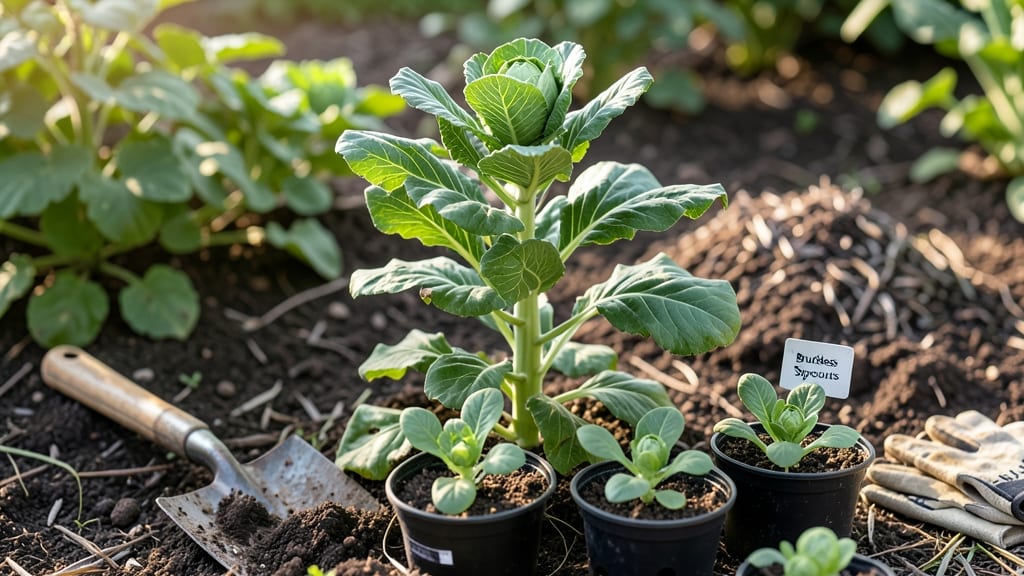
Planting Brussel sprouts 🥦 in Oregon at the wrong time means watching your hard work turn bitter or bolt before harvest—unless you nail the frost-free timeline for your exact county.
The Willamette Valley’s mild winters and coastal fog create a completely different schedule than the High Desert’s crisp air, and getting it wrong could cost you months of garden time.
Most Oregon gardeners swear by two planting windows: mid-March to early July for spring crops and late July to early September for fall harvests. But here’s the catch—your last frost date isn’t just "April 15" across the board.
Coastal areas like Astoria can plant 2-3 weeks later than inland spots like Bend, where early springs demand faster action. Let’s break down the exact dates and microclimate tweaks that’ll guarantee your sprouts stay sweet and plentiful.
You’ll also discover how to stretch your harvest season with cold-hardy hacks, whether to start seeds indoors (and when), and the one soil prep mistake that ruins Brussels sprouts faster than frost. By the end, you’ll know exactly when to plant for maximum yield—no guesswork, just Oregon-specific precision.
Ready to grow store-quality Brussels sprouts that outshine grocery store versions? The secret starts with timing, and I’ve got the county-by-county breakdown to make it effortless.
Oregon’s ideal planting windows by county: frost dates and microclimates
Oregon’s diverse microclimates create unique challenges for growing Brussels sprouts. The Willamette Valley enjoys mild winters, while the Coast Range stays cooler longer, and the High Desert faces earlier frosts. Understanding your local frost dates is key to timing plantings for sweet, flavorful harvests—not bitter, stunted ones.
Brussels sprouts thrive in cool weather (50–75°F) and need 80–120 frost-free days to mature. Plant too early, and they’ll bolt; too late, and they’ll struggle to develop. Oregon’s USDA zones 7b–9a mean your county’s frost dates will dictate whether you focus on spring or fall plantings—or both!
For spring plantings, aim to sow seeds 4–6 weeks before your last frost date (typically mid-March to early April in most regions). For fall plantings, start seeds 8–10 weeks before your first frost (usually late July to early August) to ensure harvests before winter sets in.
In urban areas, pavement and buildings can create heat islands, pushing last frost dates 1–2 weeks later than rural zones. Use a local frost calendar (like Oregon State University’s) or track your own data for 3 years to refine timing.
For rural gardens, cooler microclimates near water or forests may delay planting by 10–14 days.
For fall harvests, prioritize cold-hardy varieties like ‘Long Island Improved’ or ‘Ruby Ball’. These tolerate light frosts (28–32°F) and sweeten when exposed to cool nights. Start seeds indoors 6–8 weeks before transplanting to give them a head start.
In warmer zones (e.g., Southern Oregon), focus on spring plantings and use shade cloth to protect from summer heat.
Adjust planting dates if your garden faces unpredictable weather. For example, the 2021 heat dome delayed fall plantings by 3–4 weeks in the Willamette Valley. Monitor NOAA forecasts and plant succession crops every 2–3 weeks
How to extend Brussels sprout season in Oregon: cold-hardy hacks for longer harvests
Oregon’s unpredictable fall weather can cut your Brussels sprout harvest short—but with the right strategies, you can push your growing season by 4-6 weeks. The key is combining cold-hardy varieties with protective techniques like row covers and succession planting.
These methods let you harvest sweet, tender sprouts even when frost looms.
I’ve tested these tricks in my Portland garden (Zone 8a) and seen harvests stretch from October through December. The secret? Start with the right variety selection and layer on protection as temperatures drop. Let’s break down the proven tactics that work in Oregon’s climate.
🌱 Top 5 Ways to Extend Your Brussels Sprout Season
- 1. Choose cold-tolerant varieties like ‘Long Island Improved’ (90 days, frost-resistant) or ‘Ruby Ball’ (85 days, sweeter in cold). Avoid heat-sensitive types like ‘Jade Cross’ for fall planting.
- 2. Use floating row covers (like Agribon) to protect plants down to 20°F. Secure edges with soil or bricks to prevent wind damage.
- 3. Build low cold frames (unheated) over plants in late fall. A simple Plexiglas box with ventilation can add 10-14°F protection.
- 4. Practice succession planting: Sow new seeds every 2-3 weeks from July through August for staggered harvests.
- 5. Mulch heavily with straw or leaves (6+ inches) to insulate roots. Replenish after rain to maintain warmth.
For my coastal Oregon garden, I plant ‘Ruby Ball’ under row covers by August 1st—this gives sprouts time to mature before the first frost (usually October 15th in the Willamette Valley). The row covers stay on until November 1st, when I harvest under natural light.
Another game-changer? Cold frames work surprisingly well in Oregon’s mild winters. I use a 12” tall frame with clear plastic and remove it during the day in 60°F+ weather to prevent overheating. This extends harvests into December in sheltered microclimates.
Don’t forget succession planting—it’s the easiest way to ensure a continuous supply. In my Eugene garden, I plant two batches: one in mid-July and another in early August. The first batch harvests in October, while the second stretches into November.
Pro tip: Harvest before frost hits hard. Brussels sprouts taste sweeter after a light frost (28-32°F), but prolonged cold turns them bitter. Check sprouts weekly starting in October—they’re ready when 1-1.5 inches wide and deep green.