
Plants
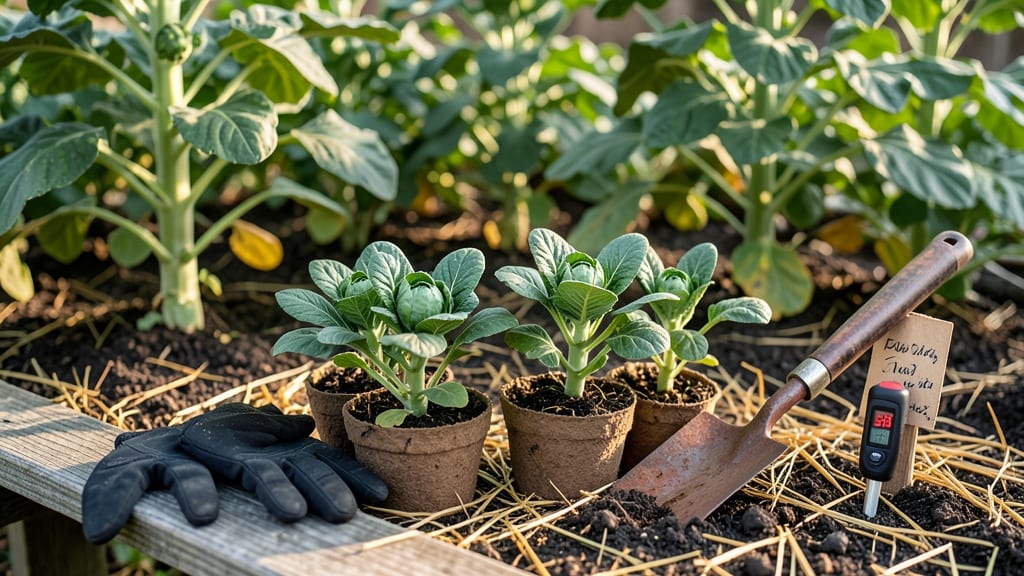
Planting Brussel sprouts 🥦 in Kentucky isn’t just about dropping seeds in the dirt—it’s about mastering the 180-day frost-free window that separates a thriving harvest from a wasted season.
Skip the timing, and you’ll either lose plants to early cold snaps or watch them bolt in summer heat, leaving you with bitter, undersized sprouts instead of the sweet, tender gems you crave.
Here’s the truth: Kentucky’s USDA Zones 6b-7a give you two golden chances—spring and fall—but each has its own rules. Plant too early in spring, and frost will turn your seedlings to mush. Wait too long in fall, and your crop won’t mature before winter sets in.
I’ll break down the exact dates for both seasons, plus how to adjust for Kentucky’s unpredictable microclimates, whether you’re in Lexington’s cooler hills or Louisville’s warmer valleys.
You’ll also discover the secret to avoiding bolting, a common pitfall that ruins more gardens than frost ever could. Plus, I’ll share my go-to strategies for extending the harvest into December—because why stop when the flavor peaks in cold weather?
Let’s get your 🥦 growing on the right schedule, so you’re feasting on homegrown goodness while your neighbors are still buying store-bought.
Ready to turn your Kentucky garden into a Brussel sprout powerhouse? The clock is ticking—literally—and these timing tricks will ensure you’re planting at the perfect moment, every single year.
Kentucky’s ideal planting dates for Brussel sprouts by variety
Kentucky’s cool fall climate makes it perfect for growing brussel sprouts, but precise planting timing ensures a bountiful harvest. Most varieties need 80-120 days to mature, so aligning your schedule with frost dates is critical.
In USDA Zones 6b-7a, the last frost typically arrives around April 15, while the first frost hits mid-October. This gives you two planting windows: spring (March-April) for a fall harvest or late summer (July-August) for a winter harvest.
For direct sowing, Kentucky gardeners should aim for mid-April to early May for a fall crop, or late July to early August for a winter harvest.
If starting transplants indoors, begin seeds 6-8 weeks before your target outdoor planting date. Early varieties like 'Long Island Improved' mature faster, while late varieties like 'Ruby Ball' need more time in the ground.
Adjust for your microclimate—Lexington’s cooler nights may allow slightly later plantings than Louisville’s warmer urban heat.
Brussel sprouts thrive in full sun and well-draining soil with a pH of 6.0-7.0. Kentucky’s clay-heavy soils often need amendments like compost or sand to improve drainage. Before planting, test your soil and add organic matter to prevent root rot, a common issue in Kentucky’s humid climate. Mulch heavily to retain moisture and suppress weeds, which compete for nutrients during the 90-120 day growing season.
| Variety | Days to Maturity | Direct Sow Window (KY) | Transplant Window (Start Indoors) | Harvest Timeframe | Notes for KY Gardeners |
|---|---|---|---|---|---|
| Long Island Improved | 90-100 days | Mid-April to early May | Start seeds March 1-15 | October to early November | Early variety; best for Lexington’s cooler climate. |
| Jade Cross | 100-110 days | Late April to early May | Start seeds March 15-April 1 | Late October to December | Mid-season; purple-tinged sprouts; heat-tolerant. |
| Ruby Ball | 110-120 days | Late July to early August | Start seeds June 15-July 1 | December to January | Late variety; needs winter protection in Louisville. |
| Tasty Purple | 95-105 days | Mid-April to early May | Start seeds March 1-15 | October to November | Compact; great for small gardens or containers. |
For spring plantings, focus on early varieties like 'Long Island Improved' or 'Tasty Purple' to avoid bolting from Kentucky’s unpredictable heat spikes in May. These varieties mature quickly, giving you a harvest before fall temperatures drop.
If you prefer winter harvests, opt for late varieties like 'Ruby Ball' and plant in late July. This timing allows the plants to establish roots before cool nights slow growth.
Kentucky’s microclimates can shift planting dates by 1-2 weeks. In Lexington (Zone 6b), cooler nights may let you plant 'Jade Cross' up to May 10 for a fall harvest, while Louisville (Zone 7a) gardeners should finish by April 25 to avoid heat stress.
Use row covers in early spring to extend the season if nighttime temperatures dip below 40°F, which can stunt young plants.
When transplanting seedlings, harden them off for 7-10 days before moving to the garden. Kentucky’s humid summers can cause damping off, so avoid overhead watering and use drip irrigation instead.
Space plants 18-24 inches apart in rows 30 inches apart to allow airflow and prevent disease. Stake tall varieties like 'Ruby Ball' to support their 3-foot stalks and protect them from Kentucky’s occasional heavy winds.
Monitor your plants for cabbage worms and aphids, common pests in Kentucky. Use row covers or neem oil for organic control. Harvest sprouts from the bottom up as they reach 1-1.5 inches in diameter, twisting gently to avoid damaging the stem.
This method encourages continuous production and keeps the plant healthy longer. In Kentucky’s climate, you can often harvest until January if protected from frost.
If you miss the primary planting window, consider a second crop in early July for a fall harvest
How to extend the growing season for late harvests in Kentucky
Kentucky’s Zone 6-7 climate offers a unique opportunity to enjoy Brussel sprouts well into winter. With the right strategies, you can push your harvest from November into December or even January.
The key lies in combining season extension tools with succession planting and frost-tolerant varieties—all tailored to Kentucky’s unpredictable weather patterns.
I’ve tested these methods in my own garden near Lexington, where frost can arrive as early as mid-October but sometimes lingers into November. The difference between a bountiful late harvest and a wasted crop often comes down to timing and protection.
Let’s break down the most effective techniques to keep your Brussels sprouts producing long after most gardeners have packed it in.
🌱 5 Proven Ways to Extend Your Brussel Sprout Harvest in Kentucky
- 📅 Succession Planting: Start a second crop in late July for a harvest in December-January. Choose frost-tolerant varieties like 'Ruby Ball' or 'Long Island Improved' that handle light frosts.
- 🛡️ Row Covers: Use floating row covers to protect plants from light frosts (28°F). Secure edges with soil or bricks to prevent wind damage. Remove covers during the day in spring to avoid overheating.
- 🏠 Cold Frames: Build or purchase a low cold frame to extend harvests by 4-6 weeks. Place over plants after the first frost, ensuring ventilation to prevent rot. Ideal for small gardens or container grows.
- 🔄 Interplanting: Sow fast-maturing varieties like 'Tasty Purple' alongside slower growers. Harvest the quick crop first, then focus on the later-maturing plants to stagger your harvest timeline.
- 🌡️ Soil Insulation: Apply straw mulch (4-6 inches) around plant bases in late October to insulate roots. This prevents soil heaving and protects against hard frosts (20°F).
For December-January harvests, focus on late July plantings of frost-hardy varieties. Start seeds indoors in early June and transplant outdoors after soil temperatures drop below 75°F to avoid bolting.
In my garden, this means moving seedlings into the ground by mid-July, giving them 90-100 days to mature before winter sets in.
Don’t overlook vertical growing as a space-saving trick. Use trellises or cages for dwarf varieties like 'Catbird' to maximize bed space while keeping plants accessible. This is especially useful in small urban gardens where space is limited. Pair vertical supports with row covers for double protection during late-season frosts.
Monitor local frost forecasts from the National Weather Service or Kentucky Mesonet. When a hard freeze (below 20°F) is predicted, cover plants with heavy blankets or burlap and remove snow buildup to prevent damage.
I’ve found that plastic tunnels over entire beds can add 2-3 weeks to the growing season, even in Zone 6.
Remember, the goal isn’t just to extend harvests—it’s to preserve quality. Brussels sprouts left too long in cold weather become woody or bitter.
Harvest from the bottom up as sprouts reach 1-1.5 inches in diameter, and store them in paper bags in the fridge for up to 2 weeks. With these strategies, you’ll enjoy homegrown Brussels sprouts long after your neighbors’ gardens have gone dormant. 🥦