
Plants
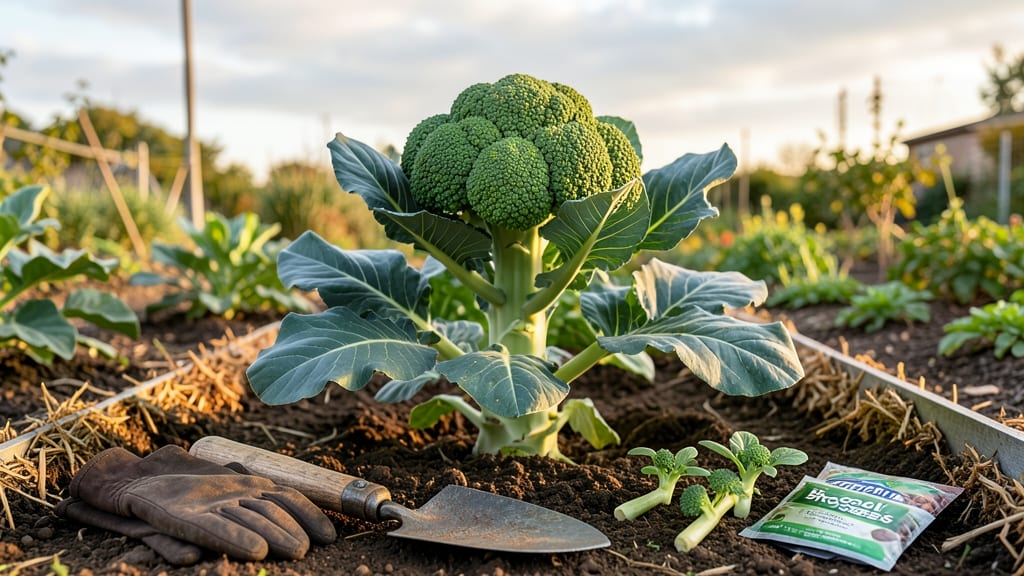
Planting broccoli 🥦 in Washington State isn’t just about grabbing seeds and sticking them in the dirt—timing makes all the difference between a thriving harvest and a bitter disappointment.
If you plant too early, your plants might bolt before you even get a chance to enjoy them, while planting too late risks stunted growth or frost damage. The key is knowing exactly when to start, whether you're in Seattle’s milder coastal zone or Spokane’s colder inland climate.
Most Washington gardeners get two chances to plant broccoli successfully: early spring (March-April) and late summer (August-September). But here’s the catch—your USDA zone (6b-9a) plays a huge role in determining the perfect window.
For example, coastal areas can start earlier, while inland regions need to wait until after the last frost date to avoid cold snaps that can shock young plants. Let’s break down the best months for your specific zone to ensure your broccoli grows strong and flavorful.
What separates a great broccoli harvest from a mediocre one? It’s not just about soil or sunlight—it’s about strategic timing. I’ve learned the hard way that skipping these windows can lead to smaller heads, bitter flavors, or even plants that refuse to form heads at all.
Whether you’re a first-time gardener or a seasoned pro, mastering these planting times will give you the confidence to grow broccoli that rivals what you’d buy at the store—only better, because it’s fresh from your own backyard.
In this guide, I’ll walk you through the exact months to plant broccoli in Washington State, how to adjust for your local microclimate, and even which varieties thrive best in our unique growing conditions.
By the end, you’ll know not just when to plant, but how to set yourself up for a bumper crop—no guesswork required.
Best planting months for broccoli in Washington State by USDA Zone
Washington State’s USDA zones 6-9 offer two prime windows for planting broccoli: early spring and late summer. Timing is critical—plant too early, and cold snaps trigger bolting; too late, and summer heat stunts growth. My zone-specific guide ensures you avoid these pitfalls and maximize your harvest.
Broccoli thrives in cool weather (50-75°F) and struggles when temperatures exceed 80°F. In Washington, this means focusing on spring planting (March-April) and fall planting (August-September). Coastal areas like Seattle (Zone 8a) have longer growing seasons, while inland zones like Spokane (Zone 7a) need earlier starts.
Here’s how to align your planting with Washington’s microclimates and frost dates:
For Zone 6b gardeners, start seeds indoors in February for transplanting by March 15. In Zone 8a, you can push spring planting to April 1 and even try a late summer crop (July-August) for a fall harvest.
Always use cold-hardy varieties like Waltham 29 in cooler zones to prevent bolting.
Bolting is your biggest enemy in Washington’s variable spring weather. To avoid it, plant 4-6 weeks before your last frost date and choose slow-bolting varieties. For example, De Cicco tolerates cooler temps better than Calabrese, making it ideal for Zone 7a and north.
Fall planting requires precision too. In Zone 9a, aim for June 30–July 30 to ensure heads mature before first frost. Use row covers in September to extend the season. My trick? Plant successive crops every 2 weeks in August to stagger harvests through October.
Soil temperature matters just as much as air temperature. Broccoli seeds need 40-50°F soil to germinate. In Zone 6b, wait until soil warms to 45°F before direct sowing in spring. Use a soil thermometer to check—cold soil delays germination and invites rot.
Heat stress is another risk in Washington’s summer months. If daytime temps hit 85°F+, broccoli bolts or develops bitter, tough heads. In Zone 8a, I plant shade cloth over seedlings in July to keep temps below 80°F. Alternatively, opt for heat-tolerant varieties
How to adjust broccoli planting for Washington’s microclimates and rainfall patterns
Washington State’s diverse microclimates and rainfall patterns can drastically impact your broccoli harvest. Coastal areas like Seattle enjoy milder winters and cooler summers, while inland regions like Spokane experience harsher winters and hotter summers.
These differences mean your planting schedule should shift based on your location to avoid bolting or stunted growth.
For coastal areas, where winters are wet and summers are mild, you can plant broccoli as early as late February for a spring harvest. Inland zones, however, should wait until mid-March to avoid frost damage.
The key is timing your plantings to align with your local last frost date and adjusting for the region’s unique weather quirks.
⚠️ callout warning
Too much rain at the wrong time can drown broccoli roots or spread fungal diseases. Coastal gardeners should plant in well-draining soil and use raised beds if possible. Inland gardeners must monitor summer downpours—broccoli needs consistent moisture but hates soggy soil.
Pro Tip: Mulch heavily in rainy seasons to balance soil moisture and prevent erosion.
Washington’s rainfall patterns also demand smart soil preparation. Coastal regions benefit from amending clay-heavy soils with compost to improve drainage, while inland areas may need extra organic matter to retain moisture during hot, dry spells. Test your soil’s pH—broccoli thrives in 6.0-7.0—and adjust with lime or sulfur if needed.
To extend your harvest, try succession planting. Start with a spring crop in March, then follow up with a late-summer planting in August. This two-phase approach ensures you’ll have fresh broccoli from May through November, even in Washington’s unpredictable climate.
Space your plantings 2-3 weeks apart for a continuous supply.
Don’t overlook shade cloth for late-summer plantings in inland areas. When temperatures rise above 80°F, broccoli bolts quickly. A 30-50% shade cloth can buy you extra time for a fall harvest. Pair this with evening watering to keep roots cool and plants healthy.
Finally, keep an eye on local weather forecasts. Washington’s Pacific Northwest winds can dry out soil faster than expected, while sudden coastal storms may delay planting. Adjust your schedule flexibly—broccoli is forgiving if you stay ahead of the weather curve.