
Plants
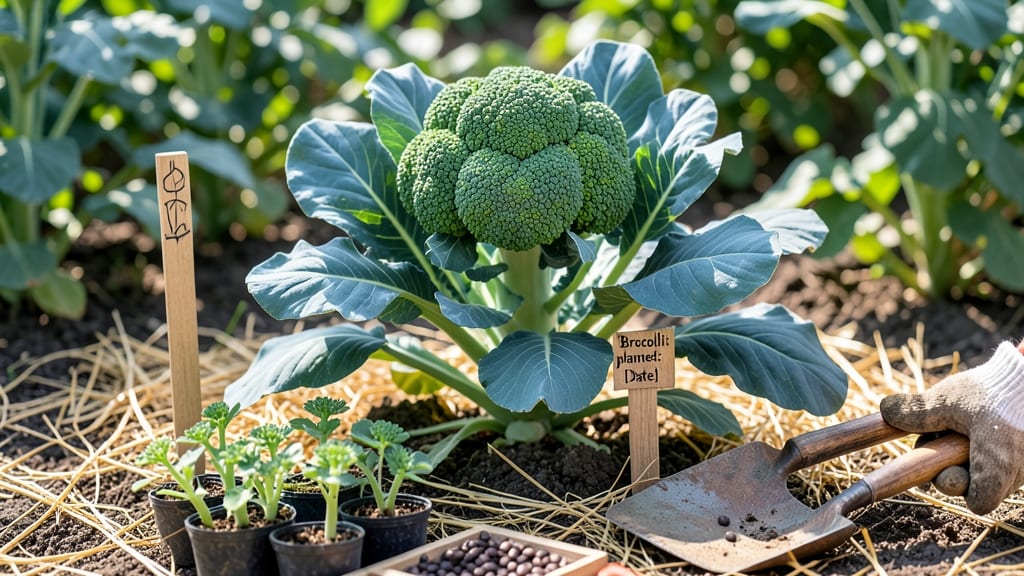
Planting broccoli at the wrong time in Iowa can leave you with limp, bitter heads—or worse, no harvest at all. The key to best yields lies in knowing exactly when to get those seeds in the ground, whether you're in chilly 5a or milder 6b zones.
Iowa's climate throws curveballs with late frosts and unpredictable springs, but timing your 🥦 broccoli just right means the difference between a bumper crop and wasted effort. We're talking 4-6 weeks before your last frost date for spring planting, or late summer for a fall harvest that lasts into November.
Let me show you the exact planting windows for your region, plus pro tips for handling Iowa's quirky weather patterns. Whether you're a first-time gardener or a seasoned green thumb, these strategies will help you grow broccoli that's tender, sweet, and ready to harvest at peak flavor.
Ready to master the art of broccoli timing? I'll walk you through everything from soil prep to frost protection, so you can enjoy homegrown 🥦 broccoli all season long—no guesswork required.
Iowa’s broccoli planting timeline: exact weeks before last frost by region
Iowa’s broccoli planting success hinges on precise timing—especially since last frost dates vary dramatically across the state. In USDA zones 4a-5b, your planting window shifts from 4-6 weeks before frost in spring to 90-100 days before first frost in fall.
Let’s break down the exact weeks for Des Moines, Cedar Rapids, and Davenport to maximize your harvest.
Broccoli thrives when soil temperatures reach 40°F (4°C), but seedlings can’t handle frost exposure. Southern Iowa’s earlier last frost dates (around April 1) give gardeners a 2-3 week head start compared to Northern Iowa’s April 15 average.
This difference means spring planting in Davenport starts mid-March, while Northern Iowa gardeners wait until late March.
For fall planting, the goal is to harvest before first frost (typically October 15-31). Since broccoli needs 60-85 days to mature, fall plantings begin late July in Southern Iowa and early August in Northern regions. Missing this window risks bolting (flowering too early) or frost damage before harvest.
| Region | USDA Zone | Avg. Last Frost | Spring Planting Window | Fall Planting Window |
|---|---|---|---|---|
| Des Moines | 5a | April 10 | March 25 - April 15 | July 25 - August 10 |
| Cedar Rapids | 5b | April 5 | March 20 - April 10 | July 20 - August 5 |
| Davenport | 6a | March 31 | March 15 - April 5 | July 15 - July 30 |
*Adjust dates 1-2 weeks earlier for early varieties or later for slow growers.
In Des Moines (Zone 5a), aim to plant broccoli 4-6 weeks before April 10, meaning late March is ideal. Use row covers if nighttime temperatures dip below 32°F (0°C)—this protects seedlings without stunting growth.
For fall harvests, start seeds July 25-August 10 to ensure maturity before October 15.
Gardeners in Cedar Rapids (Zone 5b) can push spring planting slightly earlier, targeting March 20-April 10. The earlier last frost here lets you squeeze in two spring plantings if you use succession planting every 2 weeks.
Fall plantings follow a similar rule: 90 days before first frost (around July 20) ensures a late-October harvest.
Southern Iowa’s Davenport (Zone 6a) offers the longest growing season, with spring planting starting as early as March 15. This region can even support early March sowings under cloches for a jump on the season.
For fall, July 15-30 plantings align perfectly with first frost dates around October 31, giving you a 3-month harvest window.
Pro tip: Soil temperature matters more than air temperature. Use a soil thermometer to confirm 40°F (4°C) before planting—cold soil delays germination. In Northern Iowa, this often means waiting until late April even if frost risk has passed. Southern Iowa gardeners can plant 2 weeks earlier once soil warms.
Extend your harvest by planting cold-hardy varieties like ‘Waltham 29’ or ‘De Cicco’, which tolerate light frosts and bolting better than heat-sensitive types. Pair these with mulch to regulate soil temps and drip irrigation to maintain consistent moisture—critical during head formation.
Remember: Succession planting every 2-3 weeks after your initial sowing ensures a continuous harvest. In Iowa’s climate, this means 3-4 plantings per season—spring, early summer, and fall. With these exact dates, you’ll avoid the common mistakes of overcrowding or planting too late for maturity.
🌱
How to adjust broccoli planting for Iowa’s unpredictable weather patterns
Iowa’s weather can swing from late spring frosts to sudden summer heatwaves, making broccoli planting a high-stakes game. The key is flexibility—using cold-hardy varieties and protective strategies to shield your plants from Mother Nature’s whims.
I’ve learned that even a single night of 28°F can devastate young seedlings, so preparation is non-negotiable.
One of my biggest mistakes was planting too early in northern Iowa without row covers, only to lose half my crop to a mid-April frost. Since then, I’ve adopted a multi-layered approach: succession planting, floating row covers, and selecting varieties that tolerate 10-15°F temperatures.
These tactics have turned my broccoli harvests from hit-or-miss to consistently bountiful.
⚠️ callout warning ⚠️
Never plant broccoli outdoors before April 15 in most of Iowa—even cold-hardy varieties can fail with 28°F+ frosts. Use row covers if planting 2-3 weeks early, but monitor local frost alerts. Southern Iowa (USDA Zone 6b) has a 10-day earlier window than northern areas, but verify your last frost date annually—it can shift ±7 days yearly.
For spring planting, I start seeds indoors 4-6 weeks before my target outdoor date (usually mid-May for most of Iowa).
This gives me a head start on the growing season and allows me to transplant hardened-off seedlings after the last frost. Fall planting is equally critical—I aim to sow seeds by late July so they mature before the first frost in October.
This 90-day rule (count back from your frost date) is my golden metric.
When heatwaves hit (and they will—Iowa summers average 85°F+), broccoli can bolt prematurely. To prevent this, I use shade cloth (30-50% coverage) during peak afternoon sun and keep soil moisture consistently high.
Drip irrigation is my go-to because it delivers water directly to roots without wetting foliage, which reduces disease risks like downy mildew. I’ve also had success with mulching—straw or grass clippings help maintain even soil temperatures.
Succession planting is my secret weapon against Iowa’s unpredictable harvest windows. Instead of one massive planting, I stagger seeds every 2 weeks from mid-April to early June.
This ensures a steady supply of fresh broccoli heads all summer, even if one batch gets hit by pests or heat stress. For fall crops, I repeat the process in late July and August, adjusting for the shorter growing season before frost.
My top cold-hardy varieties for Iowa include ‘Waltham 29’ (tolerates 20°F), ‘De Cicco’ (bolt-resistant), and ‘Calabrese’ (high yield in cool weather). Pair these with row covers or low tunnels to extend your season by 3-4 weeks in both spring and fall.
And remember: soil temperature matters—broccoli seeds need 40°F+ to germinate, so wait until your soil warms up or use a seedling heat mat for early starts.