
Plants
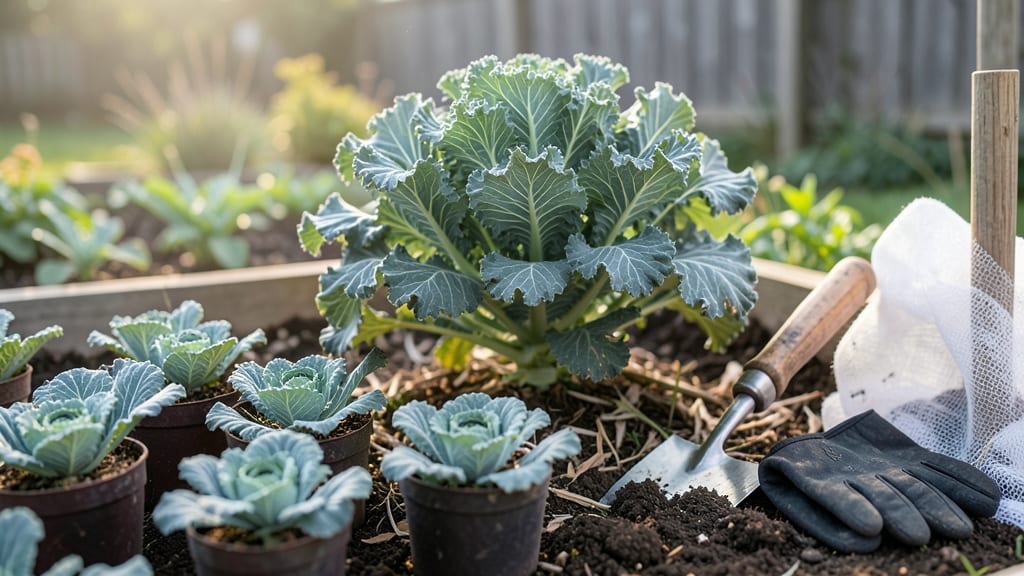
Planting brassicas 🥬 in Michigan isn’t just about throwing seeds in the dirt—it’s about mastering the timing between frost dates and your region’s unique climate. Get it wrong, and you’ll either lose seedlings to late frosts or miss out on that sweet, homegrown broccoli harvest when fall rolls around.
With Michigan’s USDA zones 5b-6b and unpredictable spring weather, knowing when to plant brassicas can mean the difference between a thriving garden and a disappointing one. Whether you’re growing cabbage, kale, or Brussels sprouts, the right window ensures your plants mature before the first frost hits.
In this guide, I’ll break down the exact planting windows for both spring and fall—plus the best cold-hardy varieties that thrive in Michigan’s short growing season. You’ll learn how to time your plantings for maximum yield, even when Mother Nature throws curveballs.
Ready to grow brassicas that outlast the frost? Let’s dive into the strategies that’ll keep your garden productive from early spring to late fall.
Michigan last frost dates & brassicas planting windows by region
Michigan’s USDA zones 4-6 create distinct planting windows for brassicas like cabbage, broccoli, and kale. The Great Lakes’ unpredictable frost patterns mean your last spring frost can vary by 2-3 weeks between northern and southern regions.
For example, Traverse City (Zone 5b) typically sees its last frost around May 10, while Detroit (Zone 6b) averages April 20. These differences directly impact when you should sow seeds or transplant seedlings.
Brassicas thrive in cool weather and can tolerate light frosts, making them ideal for Michigan’s spring and fall gardens. However, late frosts after April 15 can still damage young plants, while early fall frosts before October 15 may cut harvests short.
Understanding these regional patterns helps you plan for successive plantings to extend your harvest season from June through November.
🌱 Michigan Brassica Planting Windows by Region
| Region (USDA Zone) | Last Spring Frost | First Fall Frost | Spring Planting Window | Fall Planting Window |
|---|---|---|---|---|
| Northern MI (Zone 4) | May 15 | September 20 | April 1 - May 1 | July 15 - August 10 |
| Central MI (Zone 5b) | May 10 | October 1 | April 15 - May 5 | July 20 - August 15 |
| Southern MI (Zone 6b) | April 20 | October 15 | April 1 - April 30 | July 30 - September 1 |
💡 Note: Adjust dates 1-2 weeks earlier for early varieties or later for late-maturing crops like Brussels sprouts.
For spring planting, start cold-hardy varieties like kale and broccoli indoors 4-6 weeks before your region’s last frost date.
For example, in Zone 5b, that means sowing seeds by April 1 for transplants ready by May 10. Direct-sow slower-growing brassicas like cabbage after the last frost, around May 15 in northern regions and April 30 in southern areas.
Fall planting offers a second harvest opportunity. Begin sowing Brussels sprouts and late cabbage in July for a September-October harvest. In Zone 6b, you can even extend this to early September plantings for a November harvest before hard frosts set in.
Use row covers to protect young plants from unexpected early fall frosts, which can occur as early as September 20 in northern Michigan.
Michigan’s microclimates mean gardeners in sheltered valleys (like Traverse City) often enjoy 2-3 weeks longer growing seasons than those in open lake-effect zones. Pay attention to local frost records from Michigan State University’s weather stations to fine-tune your planting schedule.
For instance, Grand Rapids (Zone 5b) may experience late frosts until May 15, while Ann Arbor (Zone 6a) typically warms up by April 25.
Succession planting is key to maximizing your brassica harvest.
For broccoli and cabbage, sow seeds every 2-3 weeks from April through July to ensure a steady supply. Leafy greens like kale can handle light frosts and even taste sweeter after exposure to 20-25°F temperatures, making them ideal for fall and winter harvests with protection.
If you’re new to brassicas, Brussels sprouts require the longest growing season (90-120 days) and should only be planted in early spring in Zone 4 or late summer in Zone 6b. Meanwhile, fast-maturing varieties like ‘Windsor’ cabbage (50 days) or <
Best cold-hardy brassica varieties for Michigan’s short growing season
Michigan’s short growing season demands cold-hardy brassicas that thrive in cool weather and tolerate light frosts. I’ve grown these top 7 varieties successfully across USDA zones 5b-6b, ensuring reliable harvests even with late springs or early falls.
The key is selecting varieties with short days to maturity (under 60 days) and frost resistance.
For example, ‘Winterbor’ kale and ‘Golden Acre’ cabbage are my go-to choices—they handle 20°F temperatures and keep producing well into November. Meanwhile, heat-tolerant varieties like ‘De Cicco’ broccoli raab perform better in Michigan’s summer heat waves (up to 90°F) than standard broccoli.
Here’s my top 7 brassica lineup for Michigan, ranked by reliability and harvest window:
1. ‘Winterbor’ kale (50 days): Sweeter after frost and extremely cold-hardy—I’ve harvested this in December with row covers. Plant March 15–April 15 or August 1–September 1 for fall harvests.
2. ‘Golden Acre’ cabbage (55 days): A compact variety perfect for small gardens, with frost resistance down to 15°F. Stagger plantings every 2 weeks from April 1–May 15 for continuous harvests.
3. ‘De Cicco’ broccoli raab (45 days): Thrives in warm soil (ideal for Michigan’s late May–June plantings) and handles light frosts. Sow April 20–May 30 for a summer-fall harvest.
4. ‘Waltham 29’ broccoli (60 days): A classic cold-hardy variety that produces tight heads even in cool weather. Plant March 20–April 10 for early summer harvests or August 1–15 for fall.
5. ‘Tendergreen’ Brussels sprouts (85 days): Needs more time but rewards with sweet, frost-sweetened sprouts. Start seeds indoors by March 1 and transplant April 15–May 1 for a November harvest.
For succession planting, I recommend sowing every 2 weeks from April–June and August–September. This ensures a steady supply of fresh brassicas from June through November, even with Michigan’s unpredictable weather.