
Plants
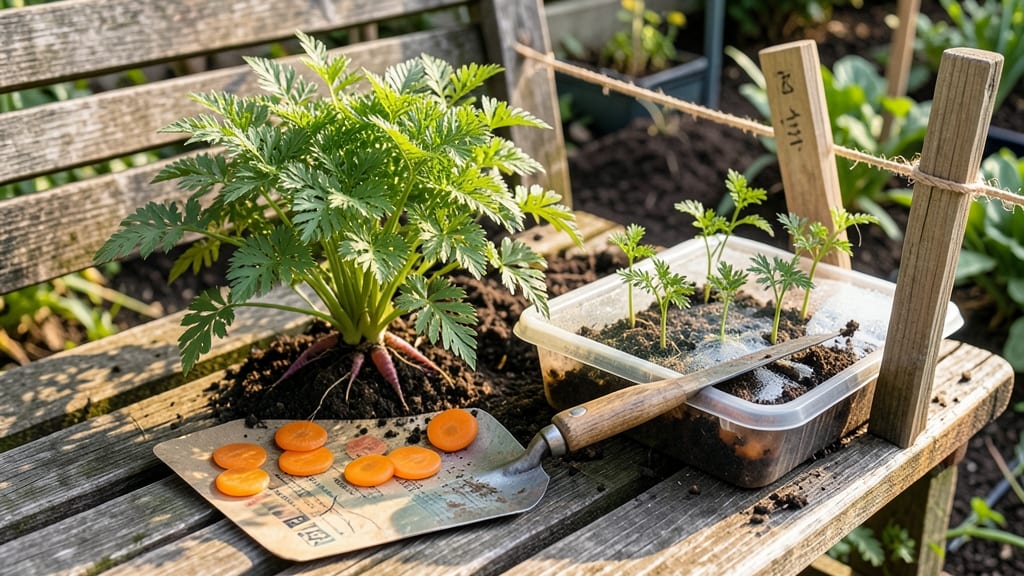
Planting carrots in Zone 6 at the wrong time can mean the difference between crisp, sweet harvests and bitter, stringy failures. The key is knowing exactly when to plant—too early, and you’ll end up with bolted greens; too late, and your roots will stay tough and woody.
For Zone 6 gardeners, timing is everything, especially since your last frost typically lands around mid-April. But don’t just count backward from that date—soil temperature and seasonal weather patterns play just as big a role.
Whether you’re aiming for a spring harvest or a fall storage crop, getting the timing right ensures your 🥕 grow straight and delicious.
In this guide, I’ll break down the exact planting windows for both spring and fall, including how to adjust for Zone 6’s unpredictable weather.
You’ll learn the best weeks before your last frost to sow seeds, how to prepare your soil, and even how to extend your harvest season with succession planting.
Ready to grow carrots that are perfectly tender and packed with flavor? Let’s dive into the simple secrets that make all the difference in your garden.

Zone 6 carrot planting schedule: exact weeks before last frost for success
Timing is everything when growing crisp, sweet carrots in Zone 6. The last frost date (typically mid-April) determines your planting window, but soil temperature and variety maturity also play critical roles.
In northern 6a sub-zones, aim for 4-6 weeks before last frost, while southern 6b areas can start 2 weeks earlier.
Carrots thrive in cool-season temperatures (50-75°F), making spring and fall the ideal planting times. Direct sowing is preferred over transplants, as seedlings handle root disturbance poorly. For Zone 6's variable climate, plan for two main planting windows: early spring and late summer.
Here’s your data-driven planting schedule based on Zone 6's climate variations, including soil temperature requirements and frost-free calculations:
| Planting Window | Weeks Before Last Frost | Soil Temperature (°F) | Zone 6a (Northern) | Zone 6b (Southern) | Maturity Days |
|---|---|---|---|---|---|
| Early Spring | 4-6 weeks | 50-60°F | Mid-March to early April | Late February to mid-March | 60-85 days |
| Late Summer (Fall) | 8-10 weeks before first frost | 55-65°F | Early July to mid-July | Late June to early July | 50-70 days (quick varieties) |
| Succession Planting | Every 2-3 weeks | 50-60°F | April to early June | March to May | 50-60 days (baby carrots) |
For spring planting, start seeds indoors 4-6 weeks before your last frost if using transplants, but direct sowing outdoors is easier and more reliable. Use row covers if nighttime temps dip below 40°F to protect young seedlings. Soil temperature must reach at least 50°F for consistent germination.
Fall planting in Zone 6 requires earlier sowing than spring to avoid winter frosts. Aim to harvest before hard frosts (below 20°F) or use mulch to extend the season. Quick-maturing varieties like ‘Paris Market’ (50 days) are ideal for fall, while ‘Danvers’ (70+ days) work better for spring.
Use a soil thermometer to confirm optimal planting temps. If your soil stays below 50°F for weeks, delay planting or choose cold-tolerant varieties. Northern Zone 6a gardeners should wait until late March or April, while southern Zone 6b can start as early as late February.
Pro tip: Test your soil 2 weeks before planting to ensure pH 6.0-7.0 and loose, stone-free soil. Carrots need deep, friable soil to grow straight—amend clay soil with compost or sand to prevent forked roots. Thin seedlings to 2-3 inches apart once they’re 2 inches tall.
For succession planting, sow new seeds every 2-3 weeks until 6 weeks before your first frost. This ensures a continuous harvest from June through October. Fall-planted carrots often develop sweeter flavors due to cooler temperatures, making them a gardener’s favorite.
Remember: Carrots bolt in hot weather (above 80°F) or if days shorten too quickly. Use shade cloth in late summer to protect seedlings. Harvest before roots toughen—waiting too long reduces sweetness and texture.
🥕
How to adjust carrot planting for Zone 6’s unpredictable spring weather
Zone 6’s spring weather throws curveballs—late frosts in April and cold snaps can devastate tender carrot seedlings. The key is flexibility: adjust planting dates based on soil temperature (aim for 50°F+) and use protective strategies to shield young plants.
I’ve learned that succession planting every 2 weeks extends harvests, while row covers buy time during unpredictable weather.
For early spring plantings, start seeds indoors 4–6 weeks before your last frost date (typically mid-April in Zone 6). Transplant seedlings outdoors only when soil warms to 55°F+—cold soil causes stunted roots.
If frost threatens, cover seedlings with floating row covers or lightweight blankets secured with bricks or stakes.
Cold snaps after germination? Don’t panic—carrot seeds can tolerate 32°F once sprouted, but young seedlings (2 inches tall) are vulnerable. I’ve had success using cloche tunnels (mini greenhouse domes) over rows to trap heat.
For extreme cold (25°F or lower), add a second layer of row cover or a lightweight tarp.
Pro tip: Mulch heavily after thinning seedlings to retain soil moisture and prevent crusting (which blocks germination). Use straw or shredded leaves—avoid grass clippings, which mat down and suffocate seeds. Water deeply in the morning to encourage root growth and reduce bolting from stress.
If your spring stretches late (like Zone 6b’s unpredictable April), don’t rush—wait for soil warmth. I once planted ‘Nantes’ carrots in 45°F soil and spent weeks thinning weak seedlings.
Now, I wait for 55°F+ and plant only when conditions are ideal, even if it means a slightly later harvest. Patience pays off with sweet, straight roots.
For late spring plantings (May–June), shift to heat-tolerant varieties like ‘Yellowstone’ or ‘Danvers Half Long’. These handle warmer soil better and resist cracking—a common issue in Zone 6’s hot summers. Always water consistently during dry spells to prevent woody, bitter roots.