
Plants
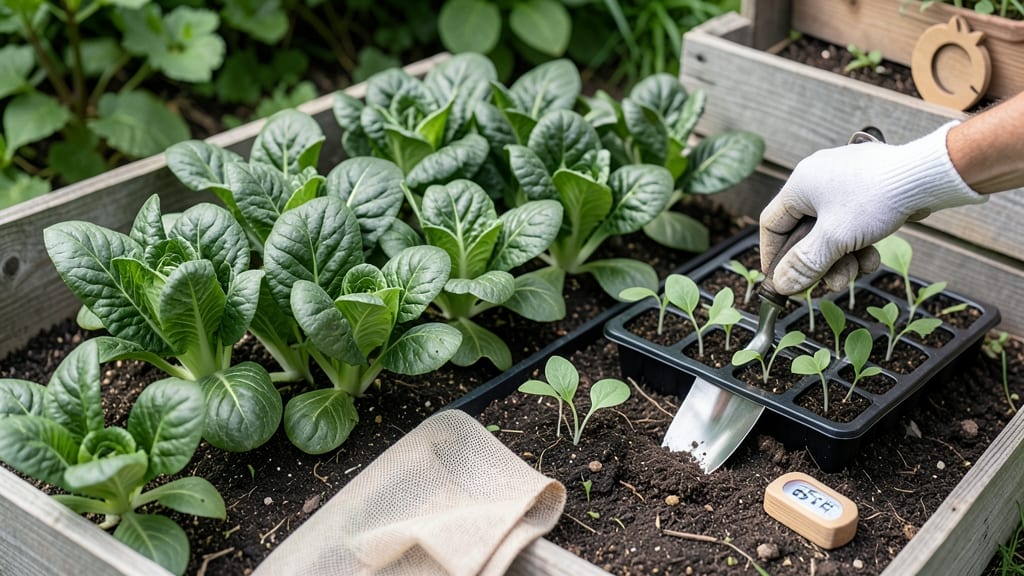
If you're wondering when to plant bok choy in Zone 9, the answer isn't as simple as "just plant it" - timing this cool-season crop right makes all the difference between tender harvests and bitter disappointment.
Zone 9's mild winters create perfect growing conditions for 🥬 bok choy, but those same warm winters can also trigger bolting if you're not careful.
Here's the secret: bok choy thrives when temperatures stay between 60-75°F, which means your planting window opens in September and closes in March.
This 6-month window gives you plenty of opportunities for fast harvests (just 30-45 days from seed!), but getting the timing wrong can leave you with tough, woody leaves instead of the sweet, crisp greens you crave.
What I've learned from growing bok choy in Southern California is that succession planting is your best friend. By staggering plantings every 2-3 weeks from September through February, you can enjoy continuous harvests right through spring.
This approach also helps you avoid the heat stress that can turn your bok choy into a sad, stunted mess when summer rolls around.
The key to success isn't just about when you plant - it's about understanding how your local microclimate affects growth. In Phoenix or Las Vegas, afternoon shade becomes especially important, while coastal areas might handle slightly warmer conditions.
Let me show you exactly how to read your garden's signals and adjust your planting schedule for maximum success.

Optimal bok choy planting calendar for Zone 9: month-by-month breakdown
Zone 9 gardeners have a unique advantage with bok choy—its cool-season love means you can grow it nearly year-round. The key is planting during mild temperatures (60-75°F) to avoid bolting from heat stress.
Unlike frost-prone zones, Zone 9’s frost-free winters let you extend harvests through March, but timing still matters for speed and flavor.
For fastest harvests (30-40 days), focus on fall and winter plantings when days are shorter and temps drop. Summer sowings are possible but require shade cloth and frequent watering. Below, I’ve broken down the best month-by-month windows for direct sowing vs. transplants, plus soil temp thresholds to watch.
⚠️ Critical Note: Zone 9’s microclimates vary wildly—coastal areas (like LA) stay milder than inland deserts (like Phoenix). Adjust dates 1-2 weeks earlier for coastal gardens or 1-2 weeks later for inland heat pockets.
| Month | Direct Sowing Window | Transplant Window | Soil Temp (°F) | Harvest Timeframe | Key Notes |
|---|---|---|---|---|---|
| September | Late Sept - Early Oct | Mid-Sept - Late Sept | 65-75°F | Oct - Nov | Best early planting; use shade cloth if temps rise above 78°F. |
| October | All month | All month | 60-70°F | Nov - Dec | Ideal month; minimal bolting risk. |
| November | Early Nov - Mid-Nov | Late Oct - Early Nov | 55-65°F | Dec - Jan | Cooler temps speed growth; protect from wind. |
| December | Mid-Dec - Early Jan | Late Nov - Dec | 50-60°F | Jan - Feb | Slowest growth; use row covers for frost protection in high deserts. |
| January | Late Jan - Feb | Dec - Early Jan | 55-65°F | Feb - Mar | Watch for aphids; mulch to retain moisture. |
| February | Early Feb - Mid-Feb | Jan - Early Feb | 60-70°F | Mar - Early Apr | Last chance for winter harvests; succession plant. |