
Plants
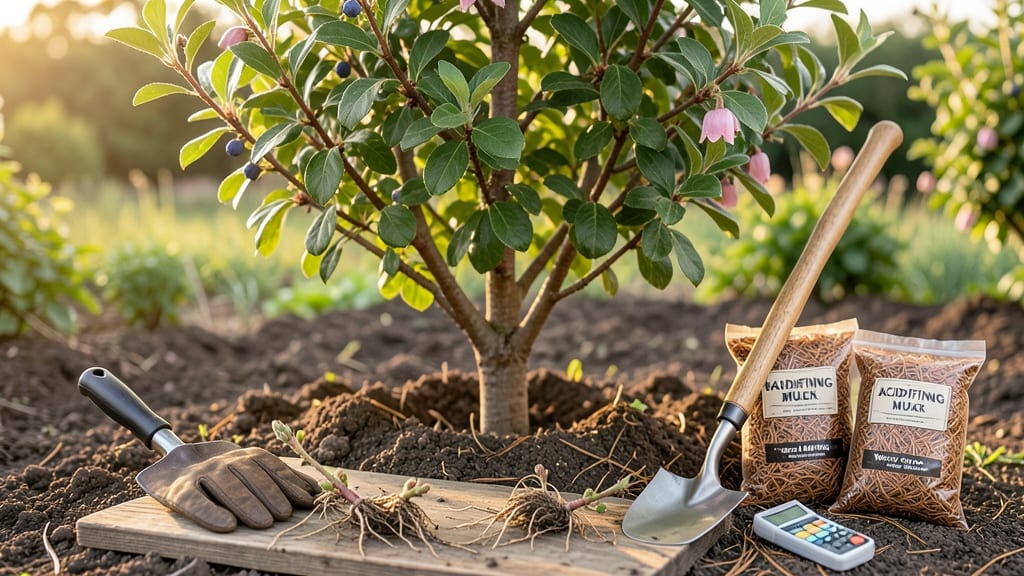
Planting blueberries in Kansas at the wrong time can mean the difference between a thriving 🫐 bush and a sad, struggling shrub.
With chill-hour needs ranging from 500 to 1,000+ across the state, timing your planting window is the most important step for success—especially when late frosts or early heat can throw off even the best-laid plans.
Most Kansas gardeners wait until late winter to early spring (March-April), when soil temperatures are just right and frost risks have passed. But whether you're in southern Kansas with milder winters or northern Kansas with longer cold snaps, knowing your exact chill-hour zone makes all the difference.
I’ll break down the best months to plant based on your region—and how to adjust if Mother Nature has other ideas.
You might assume all blueberries are created equal, but Kansas’s climate demands the right variety for your zone. Some bushes need 1,000+ chill hours to produce fruit, while others thrive with just 500-700.
I’ll share which varieties perform best in your area and how to prep your soil for maximum berry production—no guesswork required.
Ready to grow blueberries that actually bear fruit? Let’s dive into the exact planting schedule, soil tweaks, and regional tips that’ll turn your Kansas garden into a berry bonanza—without the trial and error.
Best planting months for blueberries in Kansas (by chill-hours & region)
Kansas’s diverse climate creates two distinct blueberry planting zones: southern regions with 500-700 chill-hours and northern areas needing 1,000+ chill-hours. These differences mean the wrong timing can stunt growth or even kill young bushes.
For southern Kansas, late winter to early spring (February-March) works best, while northern gardeners should aim for March-April when soil temps hit 40°F consistently. Understanding your chill-hour zone is the first step to success.
Blueberries thrive when planted during dormancy, allowing roots to establish before spring growth. In Kansas, bare-root plants (most common) need cool soil temps, while container-grown bushes can handle slightly warmer conditions.
Southern Kansas’s milder winters mean fall planting is riskier, while northern zones benefit from fall planting in October for early root development. Let’s break down the exact windows by region.
For southern Kansas, the late February to early March window aligns with the region’s 500-700 chill-hours and avoids late frosts that hit around March 15. Planting too early risks frost damage, while waiting too long delays root establishment.
I recommend checking your local USDA Zone 6b-7a frost dates—Wichita gardeners should aim for February 20-March 5, while Topeka can wait until March 1-15.
Northern Kansas’s 1,000+ chill-hours demand a later start. Here, March to early April is ideal, as soil temps hit 40°F and the threat of frost lessens. Gardeners in USDA Zone 5b (e.g., Hays or Salina) should delay until March 20-April 5 to avoid damaging cold snaps.
A soil thermometer is your best friend—wait until temps stay above 40°F for 3+ days before planting.
Fall planting is trickier in Kansas but works for container-grown bushes in northern regions. Plant in October when soil temps drop to 50-60°F, giving roots time to establish before winter.
Southern Kansas’s warmer falls make this risky—stick to spring planting there. If you attempt fall planting, use mulch heavily (4-6 inches) to insulate roots and protect against November frosts.
One critical factor often overlooked is soil temperature. Blueberry roots need 40-50°F soil to activate growth. Use a soil thermometer to monitor—planting in cold, wet soil can suffocate roots. In my experience, bare-root plants handle cooler soils better than container-grown bushes, which need slightly warmer conditions to avoid shock.
If your soil is too cold, wait 1-2 weeks or use black plastic mulch to warm it faster.
Kansas’s unpredictable spring weather adds another layer of complexity. A late frost can devastate young blueberry bushes still establishing roots. To mitigate this risk, choose hardy varieties like 'Duke' (southern KS) or 'Patriot' (northern KS), which tolerate colder temps better.
If planting in April, have row covers ready to protect new growth until the threat of frost passes.
Pro tip: Test your soil’s chill-hours using a chill-hour calculator
How to adjust planting time for Kansas’s microclimates (and avoid common mistakes)
Kansas’s microclimates can turn a perfect planting plan into a disaster if you don’t account for regional differences. For example, Wichita’s southern climate often sees late frosts in early April, while Kansas City’s northern areas can experience unpredictable cold snaps even in May.
These variations mean your blueberry bushes might thrive in one part of the state but struggle—or worse, die—just 50 miles away.
To avoid costly mistakes, I always test soil chill-hours before planting. Most Kansas blueberry varieties need 700-1,000 chill-hours, but southern regions like Garden City may only hit 500-600 chill-hours, forcing gardeners to choose low-chill varieties like 'Duke' or 'Emerald.'
Northern areas, however, can safely plant high-chill varieties such as 'Bluecrop' or 'Jersey.'
⚠️ callout-warning ⚠️
🚨 3 Fatal Mistakes That Kill Kansas Blueberry Starts
1. Planting too early – Young roots freeze in late frosts (common in March-April). Wait until soil temps hit 40°F+.
2. Ignoring acidic soil – Kansas’s alkaline soil (pH 7.5+) locks out nutrients. Amend with sulfur or peat moss to reach pH 4.5-5.5.
3. Skipping frost protection – New bushes need row covers or burlap wraps for unpredictable spring temps. One late frost can kill tender shoots.
For transitional zones like Topeka or Salina, I recommend delaying planting until mid-April unless you’re using container-grown bushes, which adapt faster to soil conditions. If you’re unsure about your local frost dates, check the Kansas Mesonet or your local Cooperative Extension office for real-time alerts.
Pro tip: Plant bare-root blueberries in late winter (February) but keep them buried in sand until soil warms.
Another trick I use is planting in raised beds with acidic soil mixes. This gives me control over pH and drainage, which are critical for blueberries.
If you’re in USDA Zone 6b or colder, opt for dwarf varieties like 'Top Hat'—they recover better from early-season freezes and produce fruit faster. Just remember: dwarf bushes still need full sun, so avoid shady spots near fences or large trees.
Finally, mulch heavily after planting to insulate roots from temperature swings. Use pine straw or wood chips (avoid cedar—it’s too acidic). In northern Kansas, I add an extra layer in fall to protect roots during winter dieback.
With these adjustments, your blueberries will establish roots before Kansas’s unpredictable spring weather throws curveballs.
🌱 Don’t let Kansas’s microclimates fool you—success starts with localized timing and soil prep. Test your chill-hours, amend your soil, and protect your plants from late frosts, and you’ll be enjoying homegrown blueberries in no time.