
Plants
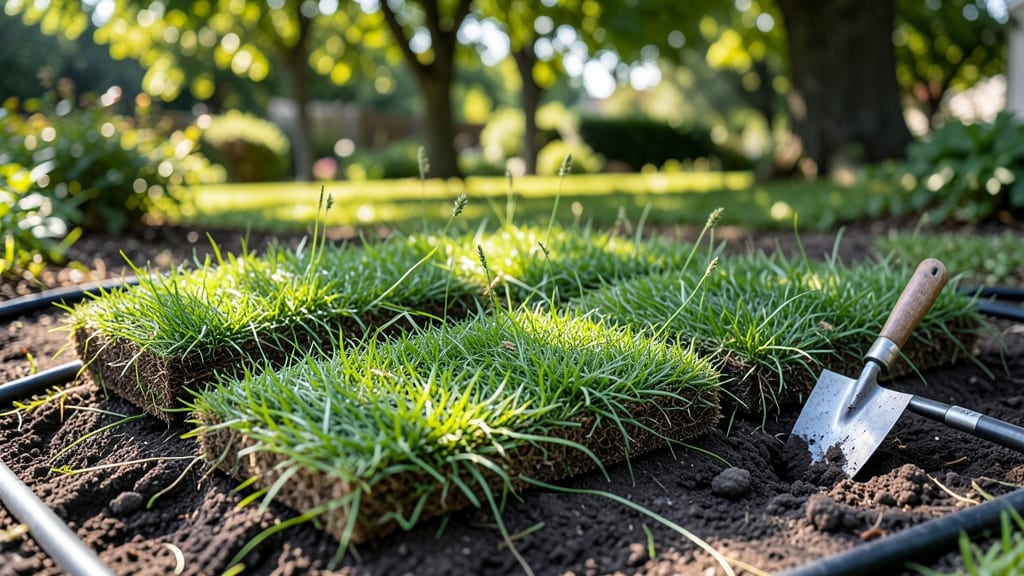
Planting Bermuda grass at the wrong time in Phoenix can turn your lawn into a sun-scorched disappointment—but getting the timing perfect means a thick, drought-resistant yard that outlasts the summer heat. The key isn't just waiting for spring; it's understanding how the desert's extreme temperatures play into your grass's survival.
With soil temperatures soaring above 75°F by late winter, you've got a narrow window to avoid heat shock or winter dormancy issues.
Most Phoenix gardeners assume Bermuda grass thrives only with summer's arrival, but the truth is, the best planting window actually begins in late winter—when the ground warms enough to support root growth without smothering new seedlings.
This heat-resistant grass 🌱 needs patience, and rushing it can backfire spectacularly in Arizona's triple-digit afternoons. Let me show you exactly when to plant for maximum success, plus how to prep your soil so your lawn stands up to Phoenix's relentless sun.
You might think early spring is ideal, but planting too soon risks exposing your grass to lingering cold snaps that can stunt growth. The real secret? Timing it so your Bermuda grass establishes deep roots before the monsoon season hits—giving it the resilience to handle both drought and sudden downpours.
I'll walk you through the exact months to aim for, plus pro tips for watering and fertilizing that make all the difference in this unforgiving climate.
Whether you're starting from seed or laying sod, this is your roadmap to a lawn that stays green when others turn brown. No more guessing games—just science-backed timing that works for Phoenix's unique growing conditions. Let's get your Bermuda grass off to the right start.
Best planting windows for Bermuda grass in Phoenix’s extreme heat
Phoenix’s brutal summers—where 110°F+ temperatures aren’t uncommon—make timing critical for Bermuda grass success. Planting at the wrong time can leave your lawn struggling or even dead, but the right window ensures a heat-resistant, drought-tolerant yard that stays green year-round.
Unlike cooler climates, Phoenix’s two ideal planting windows avoid both summer heat shock and winter dormancy risks.
Bermuda grass thrives in USDA Zone 9b, where soil temperatures must reach 75°F+ for seeds to germinate. Phoenix’s microclimate means you’ll want to plant when daytime highs are consistently above 90°F but before the monsoon season overwhelms your new grass.
The two best windows are late spring (May-June) and early fall (August-September)—both offering cooler soil temps and reliable moisture.
For the May-June window, aim to plant 4-6 weeks before monsoon season (typically mid-July). This gives your grass time to establish roots before the sudden downpours of summer.
Use a soil thermometer to confirm temps are consistently above 75°F—seeds won’t germinate in cooler soil, no matter how much you water. I’ve seen many Phoenix gardeners rush planting in late April only to watch their seeds sit dormant for weeks.
If you prefer the August-September window, wait until after the monsoon season (usually by mid-September) when daytime highs drop below 100°F. This timing lets your grass establish before winter dormancy sets in.
The key here is to avoid planting in July, when 115°F+ soil temps can fry seeds before they sprout. I once tried planting in early July and lost 70% of my seedling tray to heat stress within days.
Bermuda grass is dormant in winter, so planting too late in fall (after October 15) risks weak root systems that struggle to recover in Phoenix’s mild winters. The grass may survive, but you’ll end up with thin, patchy coverage come spring.
For sod installations, the windows are slightly wider—April-May and August-September—since sod has a head start with established roots.
One critical mistake I see often is planting Bermuda grass in shady areas, even during the right window. This grass needs 6+ hours of direct sun daily—Phoenix’s partial shade spots (like under palm trees) will leave your lawn stunted and yellow.
If your yard has limited sun, consider a shade-tolerant mix or stick to hardscaping in those areas.
To test your soil’s readiness, use a soil thermometer at 4-inch depth for 3 consecutive days. If temps are consistently above 75°F, you’re good to go. For extra protection, I recommend mulching with straw after planting to retain moisture and regulate soil temperature.
This is especially helpful in Phoenix’s low-humidity environment where evaporation happens fast.
Remember, Bermuda grass spreads aggressively once established—so edge your lawn before planting to contain it. Use a sharp spade to create clean borders, or install plastic edging to prevent it from creeping into flower beds.
I’ve had to dig up entire sections of my neighbor’s desert landscaping because their Bermuda grass escaped containment!
With the right timing and care, your Bermuda grass lawn will become the envy of the neighborhood, staying green through Phoenix’s brutal summers and bouncing back every spring.
The key? Plant in May-June or August-September, monitor soil temps, and avoid the common pitfalls of overwatering or planting in shade. Your lawn will thank you with dense, heat-resistant growth all year. 🌱
How to prepare your Phoenix lawn for Bermuda grass success
Bermuda grass thrives in Phoenix’s 110°F+ heat, but your lawn needs the right prep to survive. The key? Soil prep before monsoon season—when temperatures drop slightly and humidity rises. Without proper prep, your grass will struggle to establish roots before summer’s return, leaving you with patchy, weak growth.
Start with a soil test to check pH (aim for 6.0–7.0) and nutrient levels. Phoenix’s alkaline soil often needs sulfur or peat moss to adjust pH, while adding compost or aged manure boosts organic matter.
Skipping this step means your grass won’t absorb water or fertilizer efficiently, setting you up for failure.
After planting, mulch with straw (not wood chips) to retain moisture and block weeds. Bermuda grass needs consistent moisture during establishment, but mulch prevents soil from drying out too quickly—a common issue in Phoenix’s dry climate. Reapply mulch every 3–4 weeks to maintain coverage.
Monitor your lawn’s progress by checking for uniform green color and firm roots after 6–8 weeks. If you see yellow patches, it’s a sign of overwatering or pH issues. Adjust watering to deep, infrequent soaks (1/2–1 inch per week) and retest soil pH if needed.
With the right prep, your Bermuda grass will establish a deep root system before monsoon season, giving it the resilience to handle Phoenix’s brutal summers. Skip these steps, and you’ll spend the next year battling bare spots and weak growth—trust me, I’ve seen it all.